Canning Food: Is It Worth The Time And Effort? Why I Still Do It (Even When It’s Hard)
"Is canning food worth the effort?"
I hear that question a lot when it comes to canning - and if I'm being honest, I've asked it myself more than once.
Canning isn't fast.
It isn't convenient in the moment.
And it definitely isn't something you squeeze into an already packed day without feeling it.
There's planning involved. Heat in the kitchen. Sticky counters. Heavy pots. Long processing times. And sometimes, at the end of it all, you're staring at a few dozen jars wondering why you didn't just buy the food at the store and say that it was good enough.
But here's what I've learned over the years.
Canning isn't really about the jars of food.
It's about spreading the work of one season across the entire year. It's about turning a harvest - whether it's overflowing baskets the entire season or just a few good weeks of harvest - into meals that are already done when energy is low, schedules are tight, or life throws a curveball.
I don't can everything.
I don't do it perfectly.
And I don't do it to prove anything.
I do it because opening a jar in winter reminds me that past effort still has value. That the work I did months ago is quietly taking care of me now.
And that - more than perfection, savings, or self-sufficiency points - is why I still can.
Just Like Good Things That Take Time, Canning Has Its Rewards
Just as good things come to those who wait, things that take time and effort may also be worthwhile.
Canning food is no different.
Yes, the process takes time and effort in the beginning. It can feel overwhelming when you're new, especially when you're trying to learn the rules, figure out equipment, and decide what's actually worth preserving.
But once you get the hang of it?
It becomes one of the most practical, grounding skills you can have.
Over time, you become more efficient.
You learn what's worth your energy - and what isn't.
You develop rhythms that fit your life, not someone else's highlight reel.
I know I have.
What I Choose to Can (and Why)
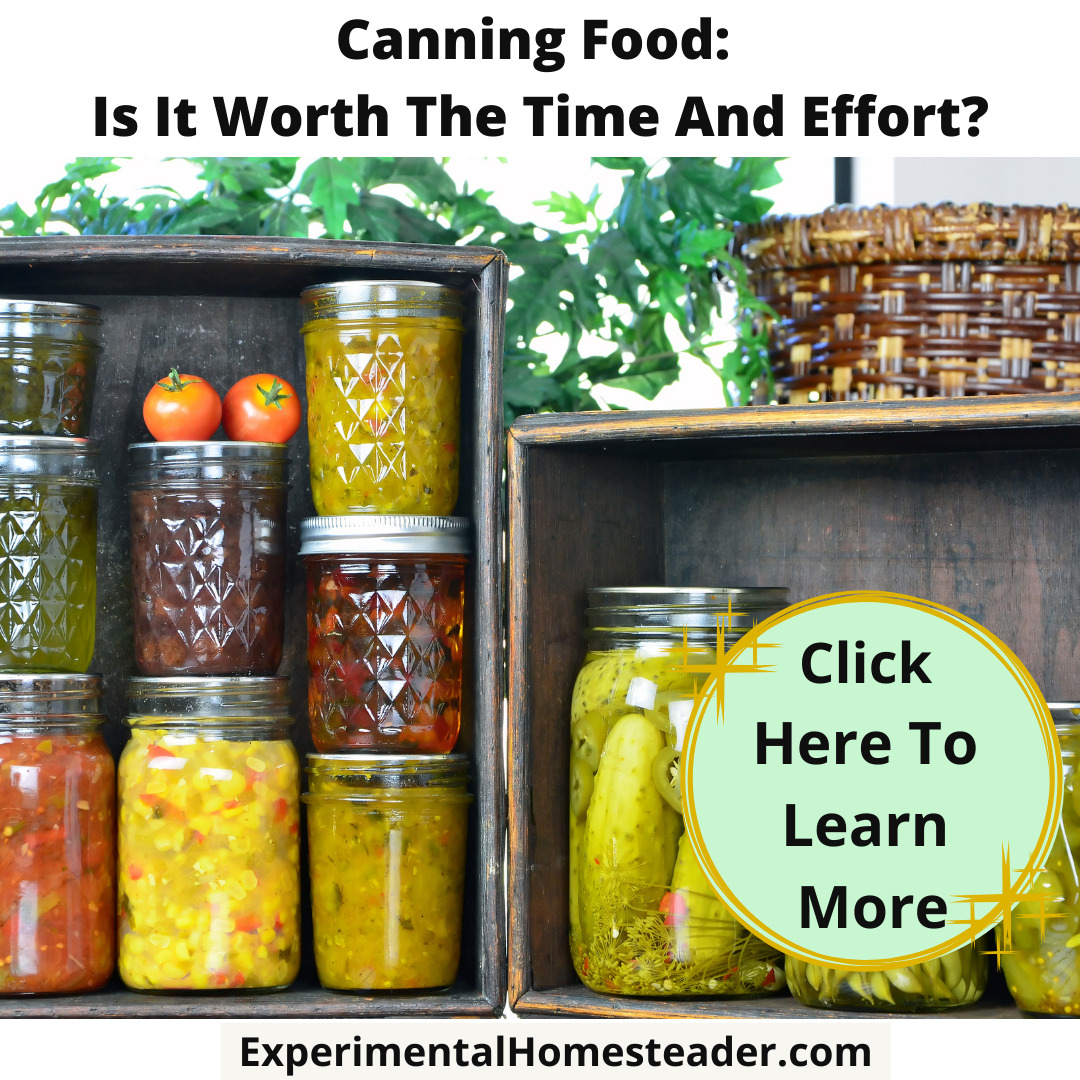
I can most of what I grow that makes sense to can.
That includes:
-
Corn (on occasion)
-
Potatoes
-
Carrots
-
Tomato sauce
-
Jams and jellies
One of the biggest reasons I make my own tomato-based condiments is simple: store-bought versions upset my stomach.
When I control the ingredients - the acidity, the seasonings, the sweetness - my body handles it better. That alone makes the effort worthwhile for me.
This is something I wish more canning advice acknowledged:
You don't have to can everything for the same reason.
Some people can for savings.
Some for health.
Some for food security.
Some for peace of mind.
You're allowed to choose your "why."
I Don’t Can Everything - and That’s Intentional
This part matters, especially for anyone feeling overwhelmed.
I don't can everything I grow.
I don't preserve every single harvest.
And I don't feel guilty about that anymore.
Some things freeze better.
Some things I'd rather eat fresh.
Some things simply aren't worth the time for me.
Canning works best when it supports your life - not when it becomes another impossible standard to live up to.
Canning Food in the Beginning: What You Need to Know
If canning is done properly, it is a safe and effective method of storing food.
In fact, it's still my preferred way to store food because it doesn't rely on electricity. Power outages don't affect my shelves. Storms don't erase my work. Once the jars are sealed and stored correctly, they're ready when I need them.
Canning works by vacuum-sealing food inside jars. When those jars are heated during processing, air is released, creating an environment where bacteria that cause spoilage can't grow.
Once the jars cool and seal properly, the food inside is shelf-stable and safe for long-term storage.
Before you begin, though, there are a few fundamentals to understand.
Two Safe Methods of Canning Food
There are two approved methods for home canning:
1. Water Bath Canning
This method is used for:
-
Jams and jellies
-
Fruits
-
Pickles
-
Acidified foods
Foods processed in a boiling water bath must be high in acid or properly acidified.
2. Pressure Canning
This method is required for:
-
Meats
-
Low-acid vegetables (like green beans and carrots)
-
Soups and stews
-
Fish
Pressure canning reaches temperatures high enough to safely preserve low-acid foods.
Knowing which method to use isn't optional - it's essential for safety.
Using a Water Bath Canner
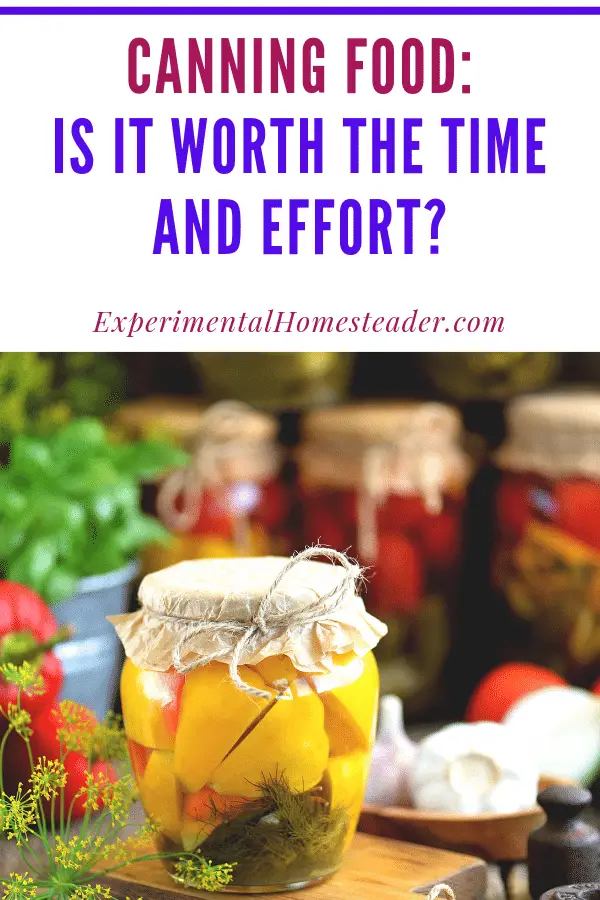
A Granite Wear Cold Pack Canner is a large pot with a rack designed to hold jars upright during processing.
If you plan to make:
-
Preserves
-
Jams and jellies
-
Fruit
-
Pickled foods
A water bath canner is the simplest and least expensive way to get started.
I still think it's the easiest entry point for beginners. As your skills - and the types of foods you preserve - expand, your equipment may change. That's normal.
You don't need everything on day one.
Why a Pressure Canner Eventually Becomes Necessary
If you want to can meats, soups, stews, or most vegetables, a pressure canner is essential.
A pressure canner is a heavy-duty pot with a steam-tight lid that allows food to reach temperatures well above boiling.
I didn't buy one right away.
It was years before I added a pressure canner to my kitchen, so please don't feel like you need to buy everything upfront. Many people start with water bath canning and add pressure canning later - and that's perfectly fine.
Most long-term canners eventually own both.
One-Time Equipment Costs (and Why They’re Worth It)
At first, canning can feel expensive.
Jars.
Lids.
Canners.
Tools.
But here's the part that often gets overlooked: these are largely one-time purchases.
If you take care of your equipment, it can last decades.
I always recommend having a trusted canning reference on hand - something like a well-known canning guide - so you're working from tested, safe recipes. My go to canning book is the Ball Complete Book of Home Preserving.
Once you have:
-
Jars
-
Lids and rings
-
A canner
-
Reliable instructions
The ongoing cost drops dramatically.
After that, it's about what you grow yourself or purchase locally.
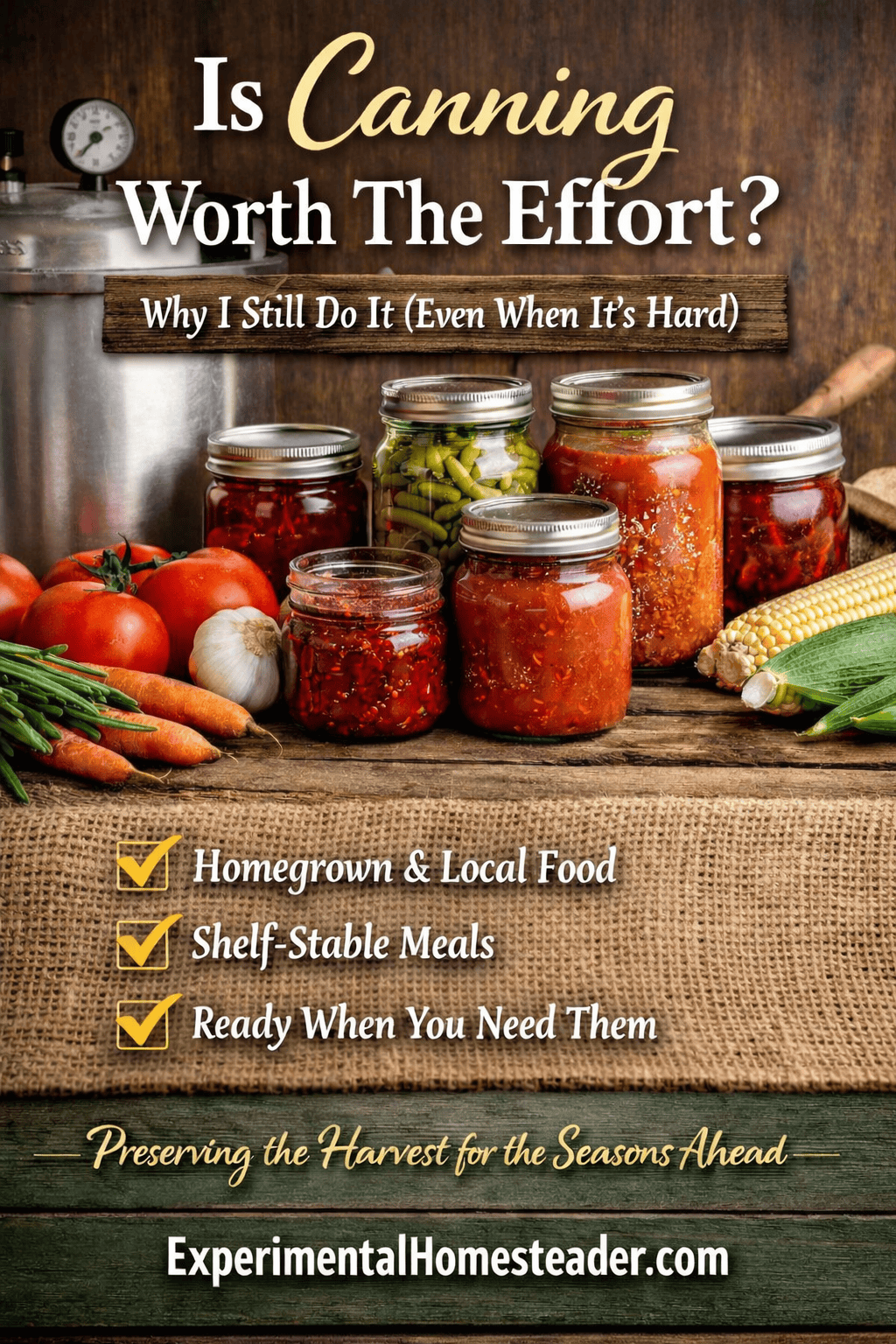
Why Homegrown and Local Food Makes Sense
Growing your own food - or buying from local growers - is one of the most cost-effective ways to fill your pantry.
It also:
-
Supports local farmers
-
Keeps money in your community
-
Reduces food miles
-
Preserves peak-quality produce
And when you can once, you're often preserving months of meals in a single stretch of work.
That's the part that rarely gets counted.
Canning Saves Time Later (When It Matters Most)
Yes, canning takes time upfront.
But future you benefits.
On days when:
-
You're tired
-
You're busy
-
You don't feel like cooking
Opening a jar of ready-to-use food changes everything.
Meals come together faster. Decisions are easier. Stress is lower.
That's the quiet payoff.
Is Canning Worth the Effort?
For me?
Yes.
Not because it's trendy.
Not because it's perfect.
Not because I do it all.
It's worth it because:
-
The food is grown by me or sourced locally from other small homesteaders.
-
The ingredients agree with my body.
-
The work supports me later by saving money and having ready to eat meals, desserts, or side dishes.
-
And it gives me a sense of continuity through the seasons.
Canning reminds me that effort isn't wasted just because it takes time.
Sometimes the most worthwhile things are the ones that quietly take care of us long after the work is done.
Frequently Asked Questions (for Readers & Search)
Is canning food safe?
Yes, when done properly using tested methods and correct processing times.
Do I need a pressure canner?
Only for low-acid foods like vegetables, meats, and soups. High-acid foods can be water bath canned.
Is canning cheaper than buying food?
Over time, yes - especially if you grow your own produce, raise your own meat, or buy locally in season.
Is canning worth it for small harvests?
Absolutely. You don't need a huge garden to make canning worthwhile.
Canning Food At Home
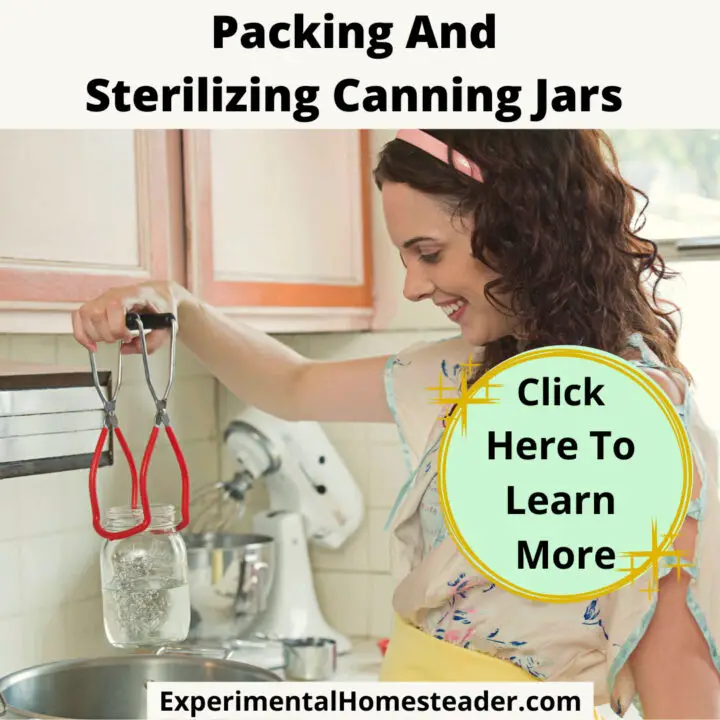
Packing And Sterilizing Canning Jars
The most important part of canning is packing and sterilizing the canning jars properly. Learn how to do this important step the right way.
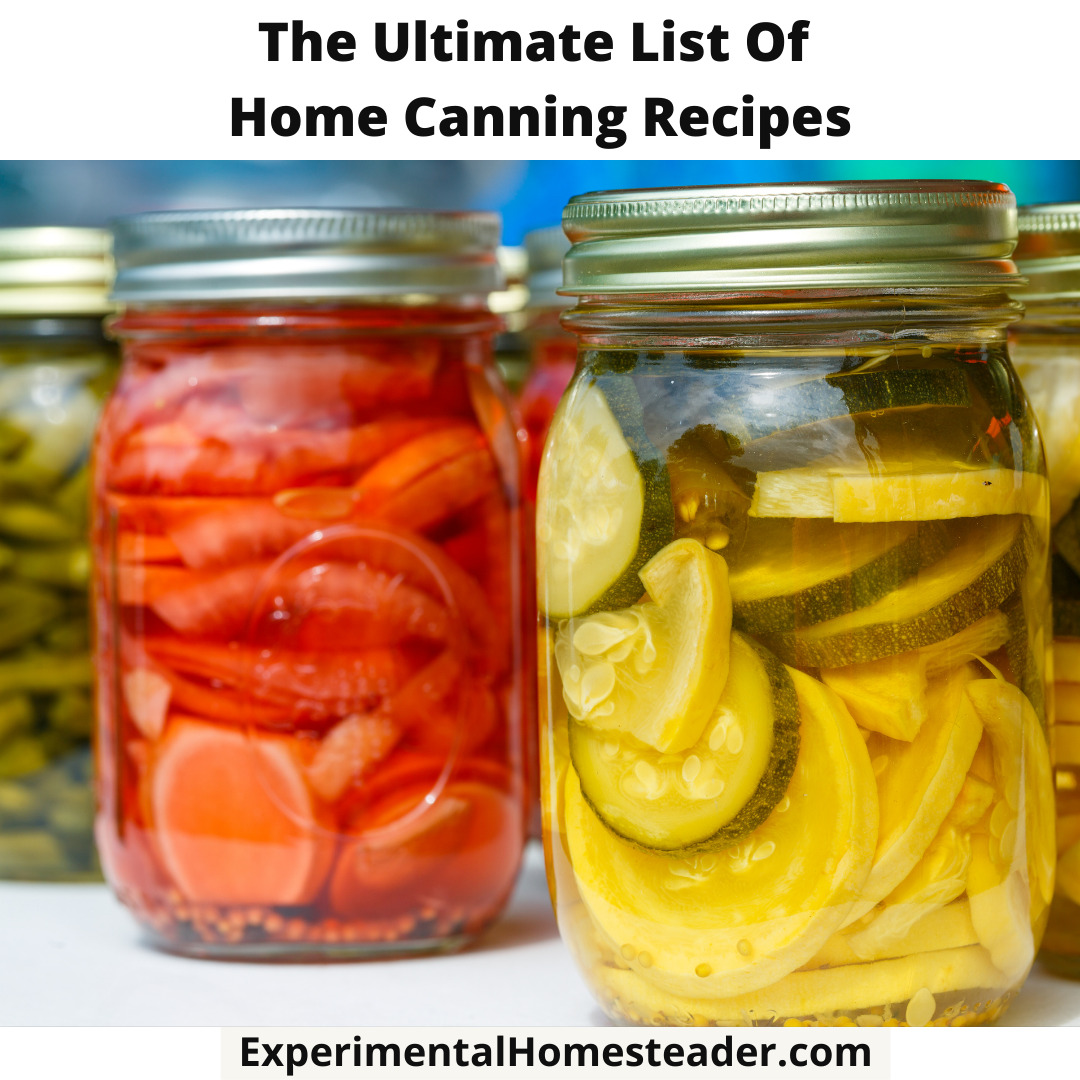
The Ultimate List Of Home Canning Recipes
This ultimate list of home canning recipes are all tested and proven to work. Learn how to preserve the fruits and vegetables you grow in your garden!
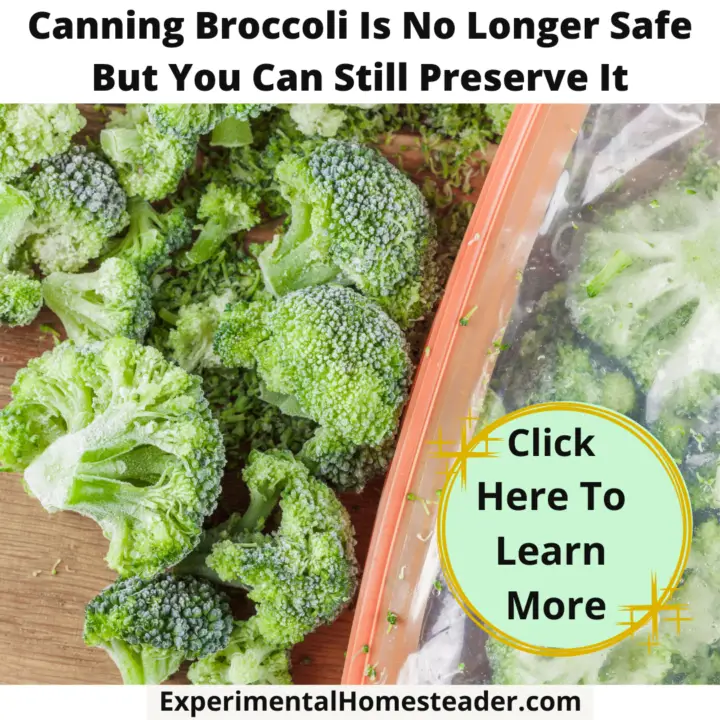
Canning Broccoli Is No Longer Safe But You Can Still Preserve It
Although canning broccoli was once considered safe, times have changed thus freezing, dehydrating or freee drying broccoli is recommended.
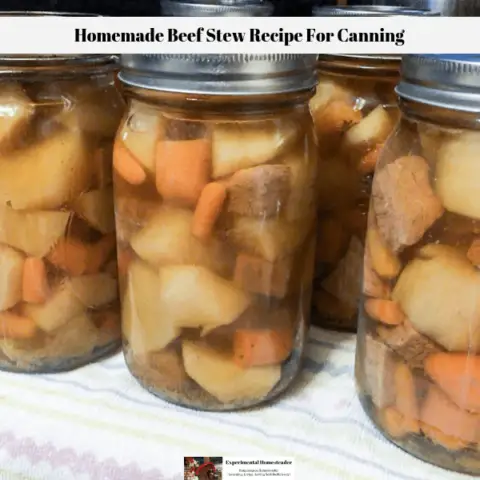
Homemade Beef Stew Recipe For Canning
When it comes to having quick home cooked meals that just need reheated, this beef stew recipe for canning can't be beat!
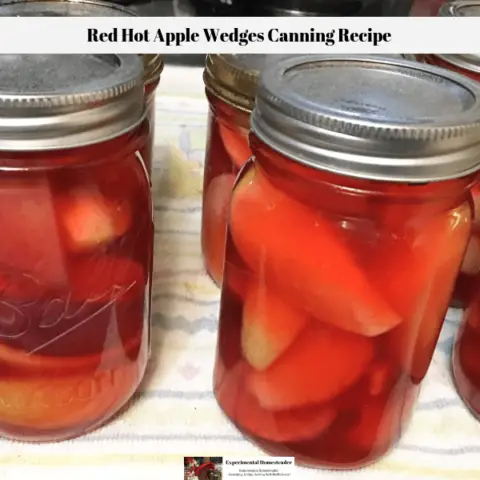
Red Hot Apple Wedges Canning Recipe
Preserving your own food means trying new recipes, such as this red hot apple wedges canning recipe. While it is true, it is a good idea to stick to recipes you know you and your family will eat, it never hurts to branch out a bit.
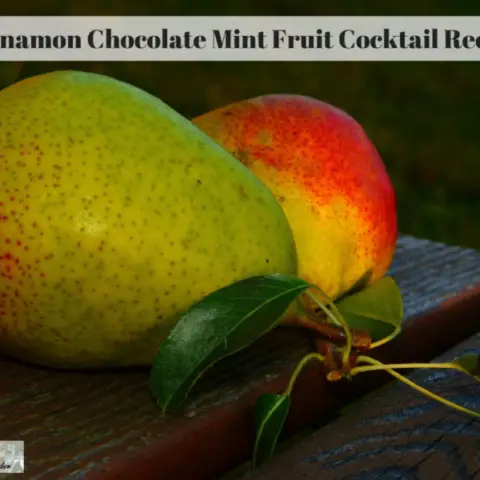
Cinnamon Chocolate Mint Fruit Cocktail Recipe
This Cinnamon Chocolate Mint Fruit Cocktail recipe is ideal to use up some of your extra summer fruit or to combine some of the fruit you have already preserved to come up with something a little different.
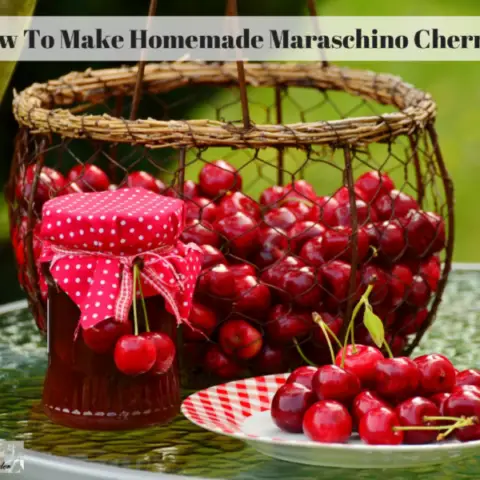
How To Make Homemade Maraschino Cherries
Learn how easy it is to make and can your own homemade maraschino cherries. Not only do these taste great, but they are easy to preserve too!
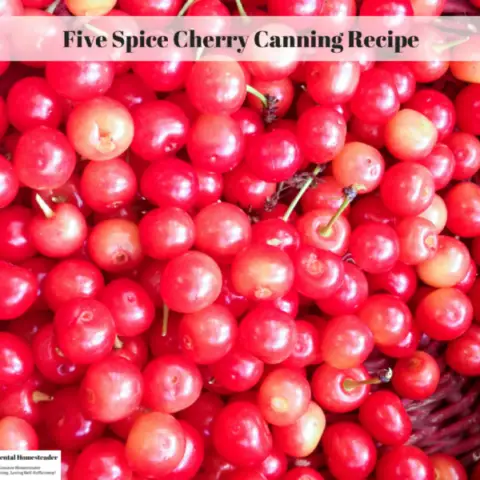
Five Spice Cherry Canning Recipe
This five spice cherry canning recipe is a unique take on typical recipes for canning cherries. I love the way the spices complimented the tart cherries!
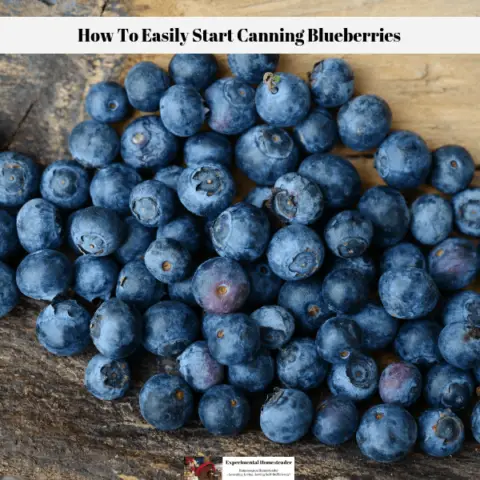
How To Easily Start Canning Blueberries
Learn how to easily start canning blueberries in your own kitchen. Home canning is a great way to preserve fresh foods that you or someone you know grew.
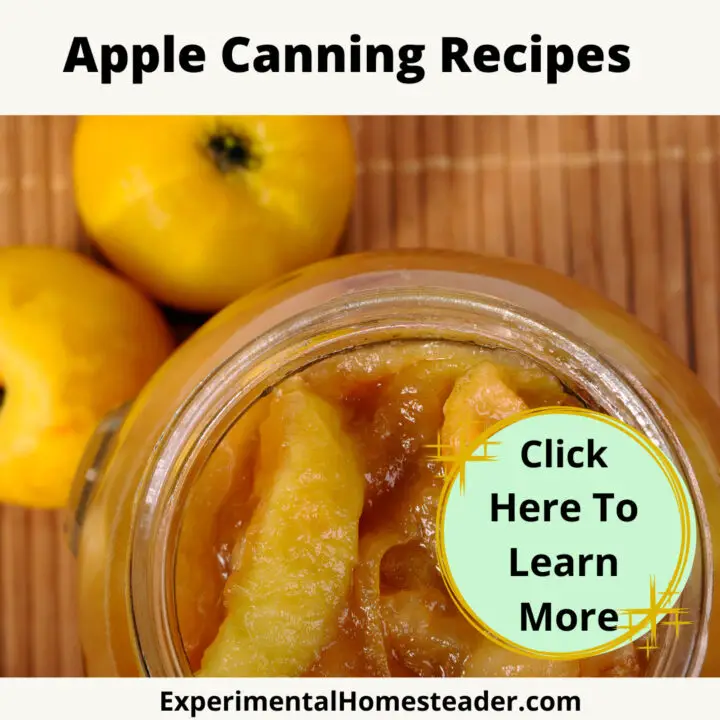
Apple Canning Recipes
There are many recipes for canning apples and I think I have tried them all. However the best way is to can them in plain syrup.
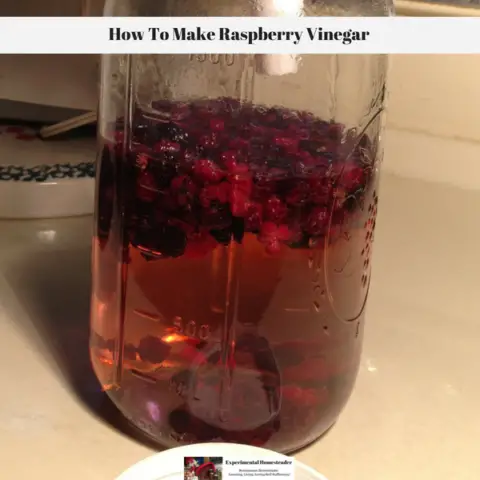
How To Make Raspberry Vinegar
A great way to preserve raspberries is to make raspberry vinegar. Its delicious on pork chops! Best of all you can preserve it for winter use by canning it.
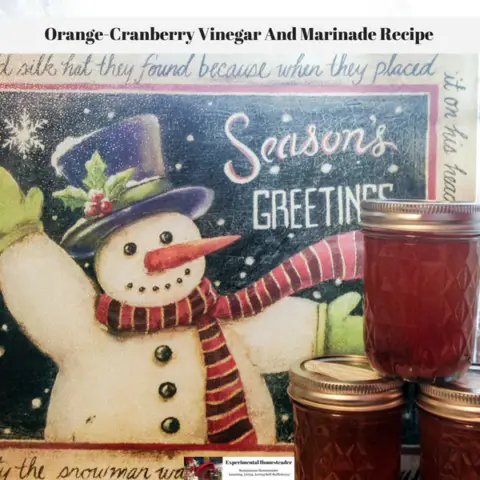
Orange-Cranberry Vinegar And Marinade Recipe
This orange-cranberry vinegar and marinade recipe is easy to make, easy to can and tastes great!
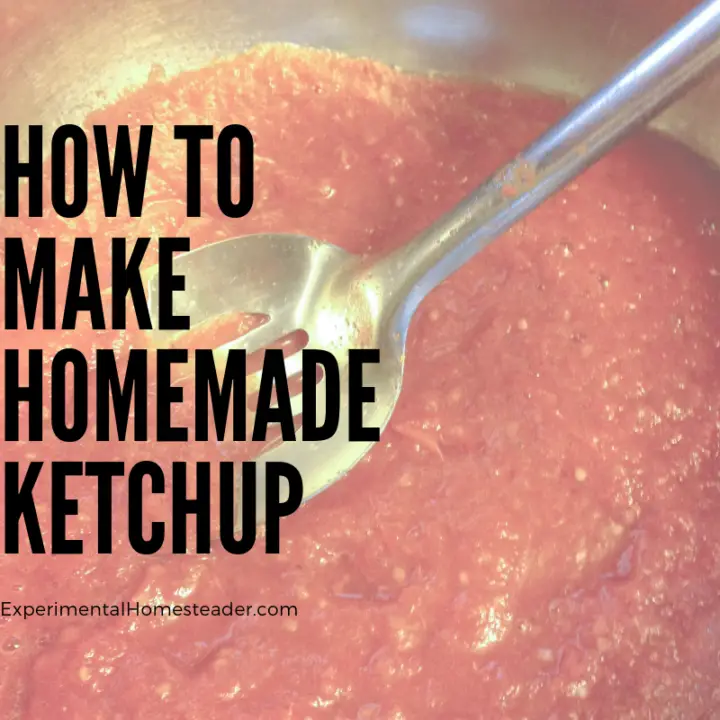
How To Make Homemade Ketchup
Learn how to make homemade ketchup right in your own kitchen using tomatoes you grew in your garden. This recipe works with fresh or frozen tomatoes!
Homemade BBQ Sauce Recipe
This homemade bbq sauce recipe uses fresh tomatoes and is perfect for canning. Use it as it is or as a base sauce to create different types of BBQ sauces.

How To Make Cajeta Goat Milk Caramel
Learn how easy it is to make cajeta goat milk caramel from fresh goat milk. Plus learn how to preserve it for winter use by canning it.

How To Make Homemade Honey
Learn how to make homemade honey right in your own kitchen using a mixture of water, sugar, red clover, white clover and fireweed!
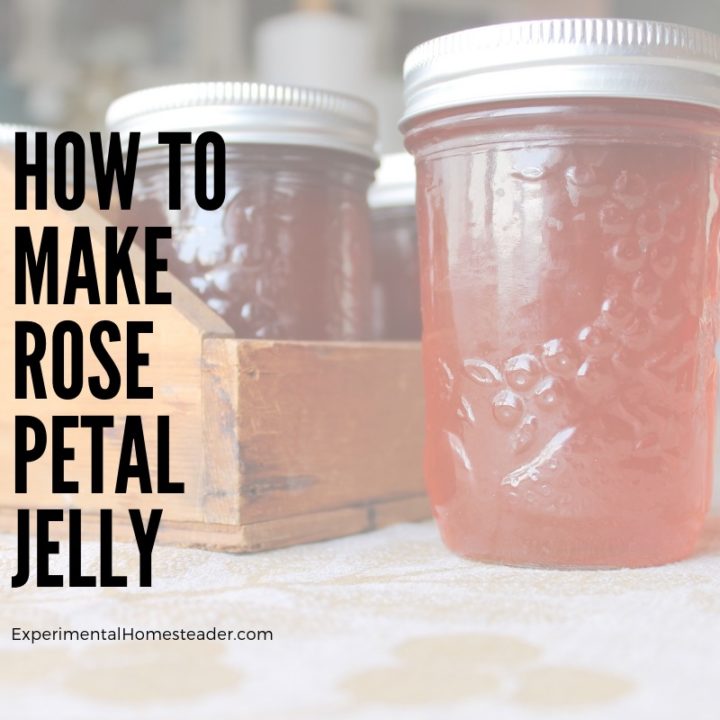
How To Make Rose Petal Jelly
Learn how to make rose petal jelly using fresh rose petals from your favorite organically grown roses. Try different roses for unique flavored jelly.

Delicious Raspberry-Chocolate Sundae Topper Recipe
This delicious, easy-to-make raspberry-chocolate sundae topper is an ideal canning recipe making it easy to serve to guests or give as gifts!
Try These Off Season Food Preservation Ideas
These off season food preservation ideas are perfect for the off season. There are lots of items you can fill your freezer with or even can year-round.
Importance Of Food Preservation Inventory
Do you understand the importance of food preservation inventory? From spices to food stored in the freezer and pantry, this list can help you save money.
Four Factors That Affect Food Storage
Understanding the four factors that affect food storage is essential for keeping your food safe, especially if you intend to store it long term.
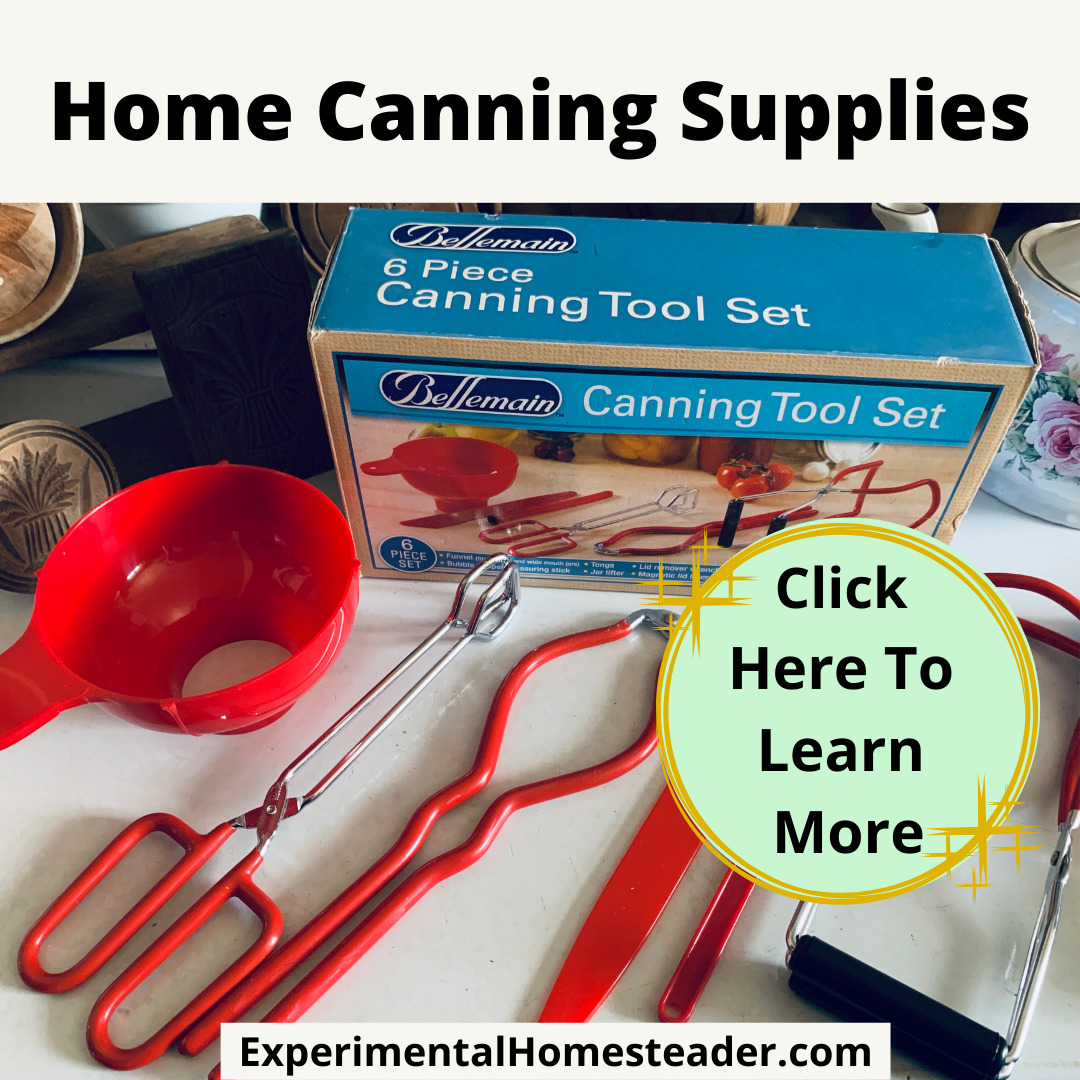
Home Canning Supplies
There are a number of home canning supplies you need to get started canning food at home, the Bellemain Kit contains 6 of them.
Canning At Home
When canning at home making sure everything is clean and in good condition is essential for food safety and your families health.

Fruit Juice Concentrate
Learn how to make your own fruit juice concentrate at home using fresh fruits from your garden or the farmers market.
Preserving Citrus Fruits
Preserving citrus fruits is something you want to know how to do if you grow your own, buy in bulk or have citrus fruits given to you.
Preparing Fresh Green Beans
Get out of the grocery store and into home-canning fresh green beans. Experience the symbiotic relationship of land and food security.