The Ultimate Collection Of Green And Organic Living Tips
Welcome to the ultimate collection of green and organic living tips.
I hope you enjoy this collection of organic living tips and green lifestyle articles.
Living as naturally and organically as possible is important to me and I hope it is to you as well
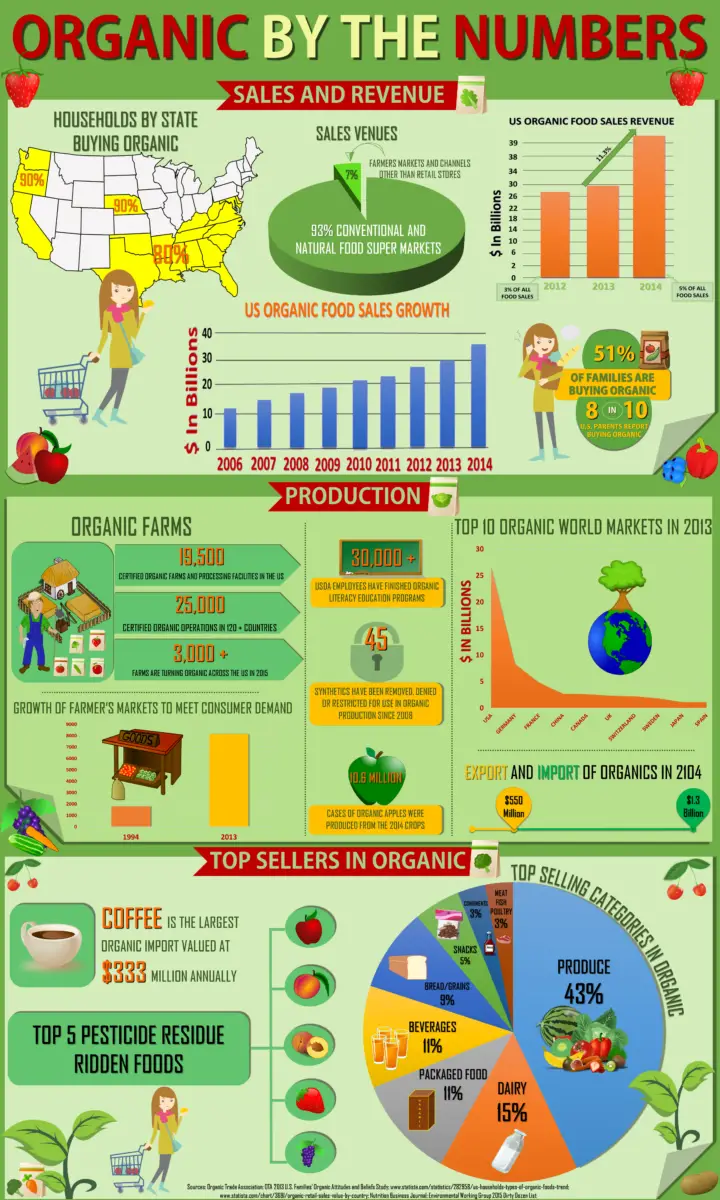
Start with Everyday Green Living Habits
Living a greener life doesn't require replacing everything you own. In fact, keeping and repairing what you already have can be more useful than buying an entirely new collection of products labeled natural. Begin with small choices you can repeat: reduce single-use packaging, plan meals around food already in storage, repair useful household items, and avoid wasting water or energy when a simpler method works.
Read How To Live A Greener Life for practical habits and How To Pack A Zero Waste Lunch Bag for a smaller project you can try immediately. These articles focus on choices that work in an ordinary household, whether or not you have acreage, livestock, or a large garden.
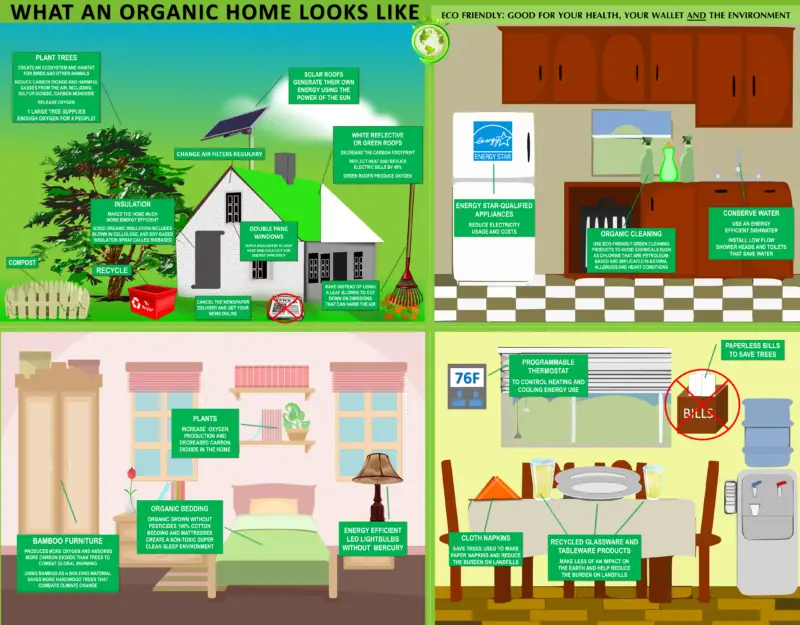
Repair, Reuse and Repurpose Household Materials
Before sending an old household item to the trash, consider whether it can be repaired, cleaned, repurposed or passed along to someone who needs it. A sturdy jar may have a second life for a dry craft supply, a piece of sound furniture may be refinished, and leftover cotton fabric can become washable napkins. Reusing materials reduces the need to buy replacements, but safety comes first: damaged electrical items, broken food-contact containers and materials with unknown hazardous coatings are not automatically good craft supplies.
For hands-on ideas, see decorations made with toilet-paper rolls and recycled glass pumpkin luminaries. Both illustrate how inexpensive or leftover materials can become seasonal projects without treating every disposable object as suitable for reuse.
Natural Pet Care Without Unsafe Shortcuts
Animals are part of everyday homestead life for many readers, and reducing unnecessary waste in pet care can be worthwhile. Wash and reuse suitable equipment, choose durable feeders and bedding where appropriate, store pet food correctly, and follow veterinary guidance on nutrition, parasite prevention and vaccinations. The word natural on a label does not prove that a product is safe for dogs, cats, goats or chickens. In particular, essential oils, herbal mixtures and certain household foods can be dangerous for pets.
When considering homemade or lower-waste care routines, keep safe nutrition and the animal's needs ahead of marketing claims. Start with equipment and cleaning choices you understand, and speak with a veterinarian before substituting untested treatments for proven care. Good animal husbandry is about consistent feeding, clean housing and early attention to problems, not simply buying a product with an organic label.
Reduce Food Waste and Use the Homestead Pantry
A great deal of green living begins in the kitchen. Cooking from familiar ingredients, preserving food with tested methods, and planning how to use leftovers all help prevent waste. You don't need every ingredient to carry an organic certification to make practical progress. Learn how to use what you grow or buy, select appropriate preservation methods, and keep food safe while doing it.
Begin with Home Food Preservation Options to compare freezing, dehydrating and canning, then read How I Stretch My Grocery Budget by Making One Meal Feed the Next for ways to cook intentionally. If you produce meat, milk or vegetables on the homestead, remember that good storage and safe handling protect those resources.
Make Clothing Last and Choose Materials Thoughtfully
A lower-waste wardrobe can begin with maintaining the clothes already hanging in your closet. Mend torn seams, replace missing buttons, wash fabrics according to their care directions, and use suitable items for work clothing when they are no longer appropriate for everyday wear. Secondhand clothing, hand-me-downs and simple sewing repairs can reduce the need to buy new items. Organic fibers may be a preference, but durability, fit and the way an item is cared for matter too.
When you do buy new clothing, think about how often you will wear it and whether you can maintain it with the tools you have. A dependable apron, pair of work pants or sturdy shirt may earn its place through years of use. For families with children, reusable items should still be safe for their age and activity rather than chosen only because a material sounds environmentally friendly.
Grow Food and Use Resources Wisely
Growing a portion of your own food can help you understand the resources involved in producing it. Compost appropriate clean plant material, improve soil with suitable amendments, water efficiently and choose crops your family actually eats. Organic gardening is a practice built on soil health, appropriate materials and informed decisions, not just on skipping every treatment. Read labels carefully and follow safety instructions even for products sold as natural.
For readers who want detailed plant-growing advice, visit Exotic Gardening, while the food-preservation and from-scratch kitchen articles on Experimental Homesteader show what to do with the harvest afterward. Even a small growing space can produce useful herbs or vegetables, and the most sustainable crop is often the one that gets used rather than wasted.
In my new eBook Organic Diet And Lifestyle you will learn how to avoid chemicals in both the foods you eat and the products you use as well as how to protect your family from the harmful effects of chemical exposure plus so much more!
If you are ready to get started on the path to an organic lifestyle or are already there and just want to know what else you can do, be sure to check out this detailed manual!