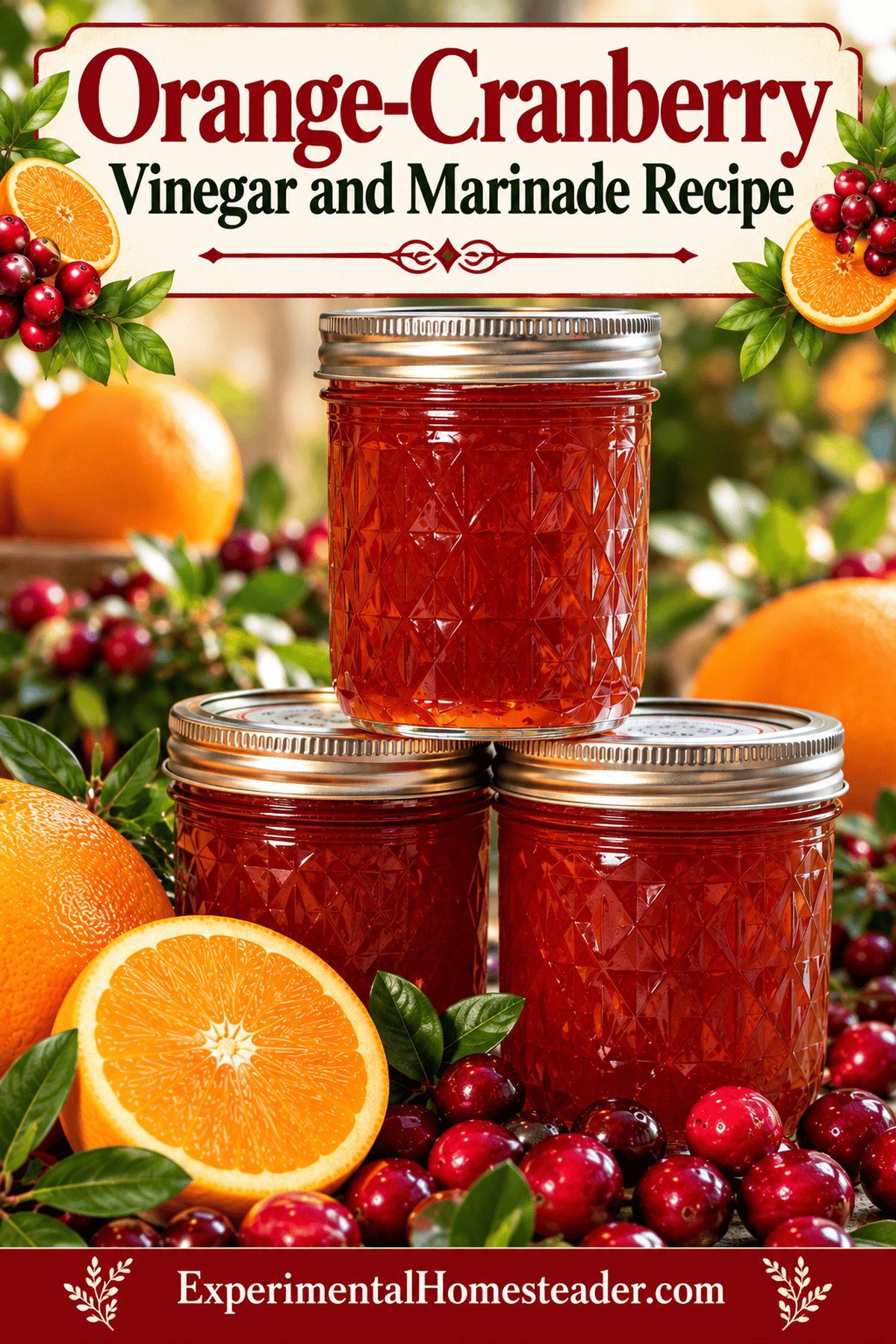
Orange-Cranberry Vinegar And Marinade Recipe
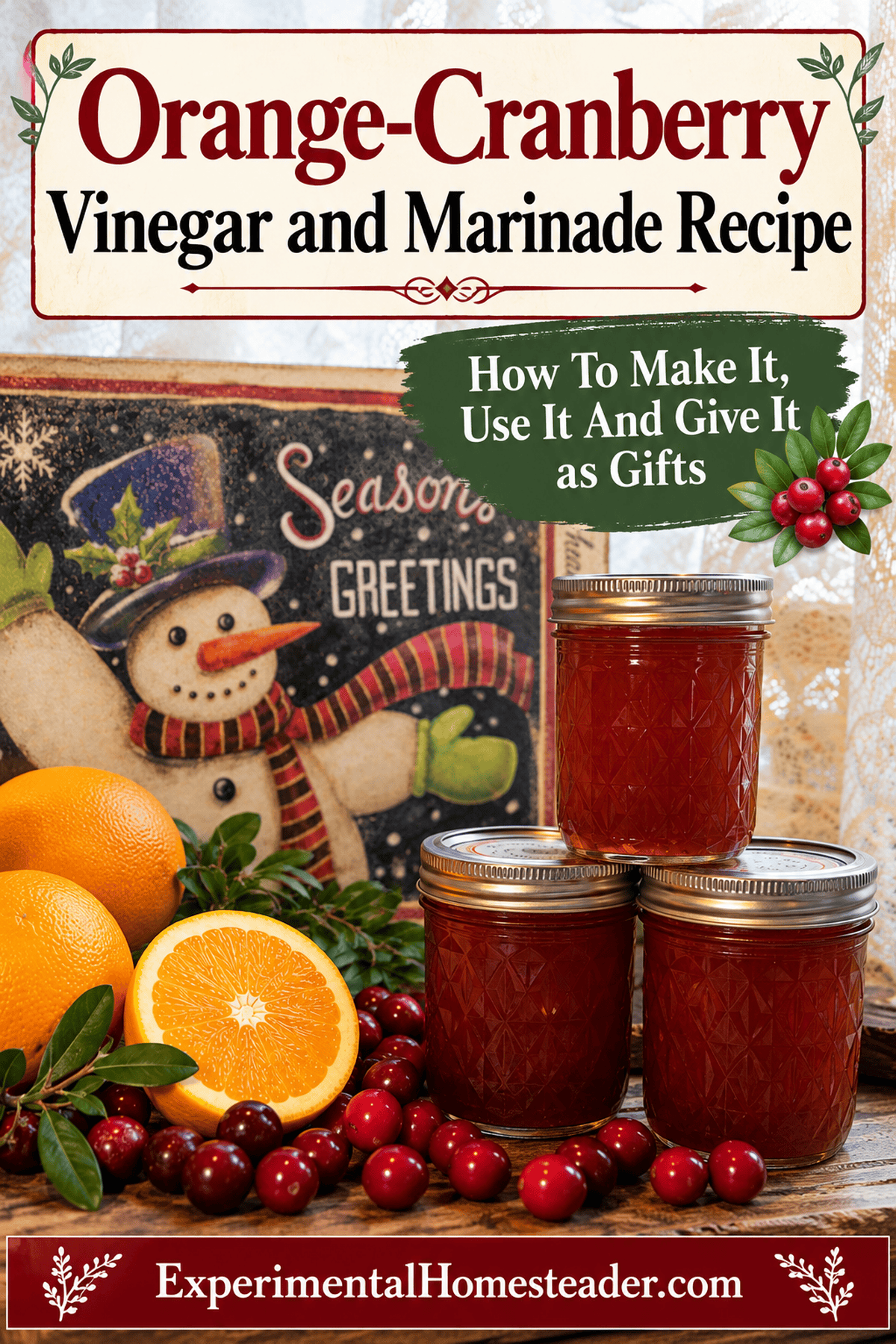
There is something about the combination of tart cranberries and bright, sweet oranges that makes a kitchen feel ready for the holidays. I love keeping homemade pantry staples on hand that can turn an ordinary meal into something a little more special, and this orange-cranberry vinegar and marinade is a wonderful example. It brings those familiar seasonal flavors together in a way that works beautifully with poultry and other savory dishes.
If you have never made flavored vinegar before, this is a good place to learn what to expect. The article includes two recipes: the orange-cranberry vinegar first, followed by a separate marinade made with it. Read both cards before starting so you know which ingredients and steps belong to each. I will also walk you through the equipment, flavor ideas and handling considerations that help beginners feel more confident.

In This Article
Why Orange and Cranberry Work So Well Together
Oranges and cranberries are two flavors I naturally associate with holiday cooking. Cranberries have a lively tartness, while oranges add a fragrant citrus note that softens the sharp edges. Together they make a flavored vinegar that feels festive without being limited to one particular holiday.
That balance is especially appealing when you are preparing turkey or chicken. The fruit flavors bring something different to a savory dish, and the vinegar adds brightness. I like making flavored pantry ingredients ahead of a busy cooking day because it gives me one less thing to prepare at the last minute. If you are new to using fruit-flavored vinegar, begin with a small amount in a dressing or sauce and taste as you go. The finished flavor will depend on the ingredients and method in the recipe card.
A Thoughtful Homemade Gift
I have always liked gifts that are both pretty and useful. A bottle of homemade flavored vinegar looks lovely dressed up with a simple tag and ribbon, and it gives the recipient something they can actually use in the kitchen. If you are making this for someone else, include the name of the vinegar, the preparation date, storage instructions and a suggestion for how to use it.
For gifts, use the jars and processing method specified in the Ball recipe rather than substituting decorative bottles during canning. You can decorate the finished, cooled jar with a tag and ribbon. Include the name, date and a reminder to refrigerate after opening. A thoughtful homemade food gift should be as practical as it is attractive.
Below you will find the orange-cranberry vinegar recipe, followed by a separate orange-cranberry marinade recipe. They serve different purposes, so read the instructions in each card carefully.
Print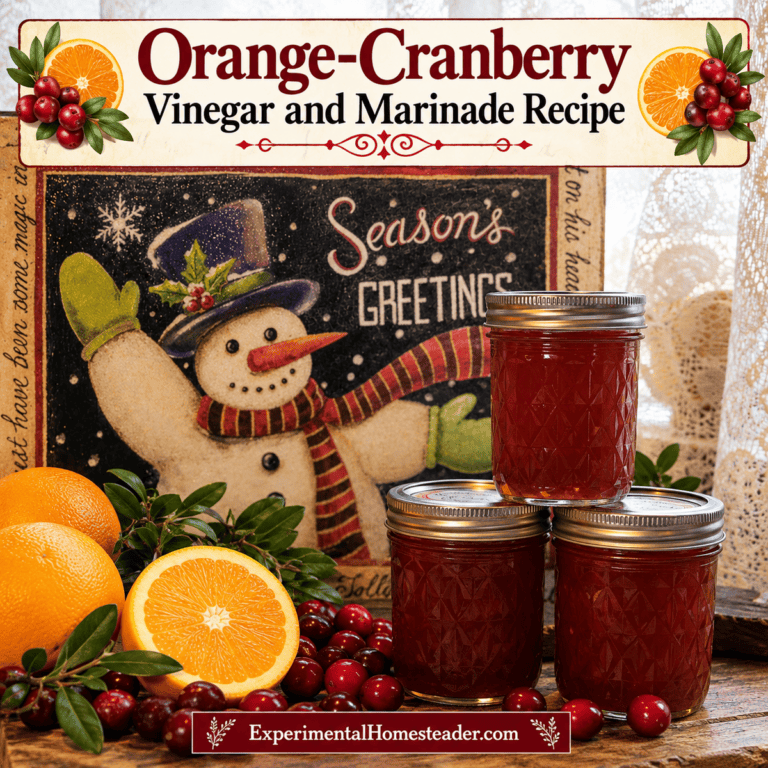
Orange-Cranberry Vinegar
Ingredients
- 4 cups cranberries (fresh are best, but you can use dehydrated cranberries)
- 3 cups white wine vinegar
- 1 cup sugar
- ½ cup water
- 2 orange slices cut in quarters
- 2 4-inch cinnamon sticks broke into pieces
- 4 whole cloves
- 5 pint-size canning jars, bands and lids (washed and sterilized)
Instructions
- Use a square of cheesecloth to create a spice bag and fill it with the cinnamon sticks and cloves. Tie it well.
- Place 3 ½ cups of cranberries and ½ cup of water into a stainless steel pan. Bring to a boil while continually stirring.
- Lightly crush cranberries with a potato masher.
- Pour the cranberry liquid through a strainer lined with several layers of cheesecloth and let drain. Do not squeeze the cheesecloth.
- Once all the liquid has drained out of the cheesecloth, discard (or compost) the cranberry residue. The cheesecloth can be washed out and reused.
- Pour cranberry juice back into a stainless steel pan, add the sugar and the spice bag. Bring to boil over medium heat, stirring continually until the sugar is dissolved.
- Add the remaining cranberries and the white wine vinegar.
- Reduce the heat and simmer for 10 minutes. Keep an eye on the pan to make sure the cranberries do not start to burst.
- Remove the spice bag and discard (or compost).
- Divide the orange slices equally between the jars.
- Ladle the hot vinegar into the hot, sterilized jars.
- Wipe the rim, put the lid on the jar and tighten the band until it is fingertip-tight.
- Place the jars in a cold pack canner filled with boiling water. Process for 10 minutes. Remove the lid, turn off the heat and let the jars sit in the water for an additional five minutes, then remove the jars.
- Tighten the bands if necessary so they are fingertip-tight again. Allow the jars to sit overnight to cool, then check the lid by gently prying on it to make sure it is sealed. If it is sealed, label and store the jars in a cool, dry, dark place.
Notes
Jars that are not sealed need to be checked to make sure there are no cracks or chips across the top of the jar.
Do not reuse the lids if they do not seal - instead put a big black X on them and use them for sealing jars filled with herbs or other dried goods.
You can use a new lid and try to reseal the jar or put it into the fridge and use it up.

Before You Start: Flavored Vinegar Basics for Beginners
Flavored vinegar is a simple idea, but it helps to understand what you are making before you begin. The vinegar is the base, and the fruit contributes flavor and aroma. Use clean utensils and sound, thoroughly washed fruit. Avoid fruit with mold or spoilage, and follow the preparation steps in the recipe rather than guessing at quantities or processing times.
Choose food-safe containers and inspect any jars for cracks or chips. Keep your work surface clear so you can move from preparing ingredients to filling containers without rushing. If the instructions call for heating or processing, follow the stated method carefully and protect yourself from splashes of hot vinegar. Its sharp aroma can be strong while it is heated, so good kitchen ventilation is helpful.
About canning and storage: This orange-cranberry vinegar is based on a Ball canning recipe. Follow the ingredients, jar preparation and processing directions in the recipe card exactly, including any altitude adjustment that applies to your location. Once the jars have cooled, check the seals and store properly processed jars in a cool, dry, dark place. Refrigerate after opening.
How to Use Orange-Cranberry Vinegar
Think beyond holiday turkey. A little of this flavored vinegar can brighten a homemade vinaigrette, add a fruity note to a pan sauce or bring contrast to roasted vegetables. For a simple salad dressing, start with a small amount of vinegar and whisk it with your preferred oil and seasonings, tasting until the balance is right. Because flavored vinegars can vary in sweetness and sharpness, tasting is more useful than assuming one fixed ratio will suit every batch.
The separate marinade recipe is another way to put the vinegar to work. When marinating raw poultry, keep the food refrigerated, not on the counter. Do not reuse marinade that has touched raw meat as a finishing sauce unless it has been brought to a full boil first; reserving a clean portion before adding the meat is an easier option. Cook poultry to a safe internal temperature of 165°F, measured with a food thermometer.
Print Orange-Cranberry Marinade
Common Questions About Homemade Flavored Vinegar
Can I substitute a different vinegar?
For a recipe intended for canning, do not substitute vinegar types, strengths or quantities without tested guidance. For non-canned culinary uses, the flavor will change depending on the vinegar you choose. Follow the original recipe if you want the result described here.
How do I know whether my vinegar is safe to store in the pantry?
Because this vinegar comes from a Ball canning recipe, use the specified ingredients and processing directions without improvising substitutions. After processing and cooling, check each jar's seal and follow standard home-canned food storage practices. A seal alone does not replace correct processing.
Can I make it ahead for a holiday meal?
Yes. This Ball-based recipe is a convenient way to prepare a holiday ingredient ahead of time. Follow its canning directions, label the jars and store them appropriately. If you give a jar as a gift, include a reminder to refrigerate it after opening.
Do I use the vinegar and the marinade in the same way?
No. The vinegar is a flavored ingredient you can use in dressings and cooking. The marinade is a separate preparation intended to season food before cooking. Follow the individual recipe cards and observe safe handling practices whenever raw meat is involved.

More Recipes to Explore
If you enjoy making flavorful pantry ingredients, you might also like these recipes and food-preservation ideas:
- Five Spice Cherry Canning Recipe
- How To Make Homemade Maraschino Cherries
- Five Spice Cherry Homemade Recipe For Ice Cream
- How To Can Broccoli
- Cinnamon Chocolate Mint Fruit Cocktail Recipe
Have you tried making flavored vinegar at home? I would love to hear how you use it, whether in a holiday marinade, a homemade salad dressing or a sauce for a weeknight dinner. If this is your first attempt, remember that learning one technique well is more valuable than trying to make everything at once. Take your time, follow the recipe and enjoy discovering another way to bring homemade flavor into your kitchen.