Freezing Apples Recipe: How To Freeze Apples For Later Use
Apple season has a way of sneaking up on you. One minute you're bringing home a few apples, and the next you're staring at a basket - or several baskets - wondering how you're possibly going to use them all before they start going bad.
That's when freezing apples comes in handy.
If you've been looking for an easy freezing apples recipe, this is one of the simplest ways to preserve fresh apples for later without getting out the canner.
Frozen apples are especially useful for baking and cooking. You can pull out exactly what you need for apple pie, cobbler, crisp, muffins, quick breads, oatmeal and plenty of other fall and winter recipes.
Freezing also lets you deal with an abundance of apples now and decide exactly what you're going to make with them later.

In This Article
Can You Freeze Fresh Apples?
Yes, you can freeze fresh apples.
For most uses, I recommend peeling, coring and cutting the apples before freezing them. That way, most of the work is already done when you're ready to use them.
You can freeze apples as slices, wedges or pieces depending on how you expect to use them later.
Apple slices or wedges are useful for pies, crisps and cobblers, while smaller pieces work well for muffins, quick breads, oatmeal and other cooked dishes.
Think about what your family actually eats before you start cutting. There's no sense freezing everything as beautiful pie slices if what you really make all winter is apple bread.
Benefits Of Freezing Apples
Apples are abundant during late summer and fall, and freezing gives you a simple way to preserve some of that harvest for the months ahead.
One of the biggest advantages is that you don't need canning equipment or a shelf-stable canning recipe.
Freezing is also helpful when you don't have enough apples - or enough time - for a big food-preservation project.
You can prepare a few apples, freeze them and move on with your day.
Frozen apples can also be portioned according to how you normally use them. If your favorite apple pie takes a certain amount of sliced apples, freeze that amount together. If you typically need smaller quantities for oatmeal or muffins, make smaller packages.
That little bit of planning makes the frozen apples much more convenient later.
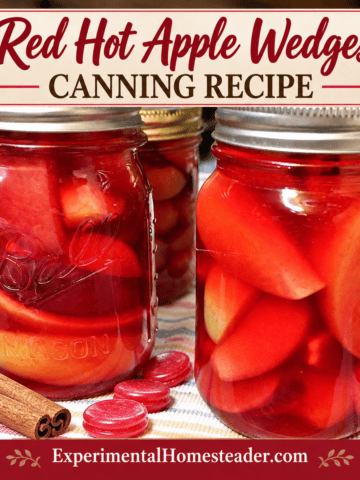
If you are already set up for home canning and want shelf-stable apples instead, take a look at my apple wedges canning recipe.

What Are The Best Apples For Freezing?
You can freeze many different varieties of apples, but firm apples generally hold up better than very soft varieties.
The most important thing is to start with good-quality apples.
Freezing doesn't improve fruit that's already past its prime. Use fresh, firm apples and cut away bruised or damaged areas before freezing.
If you're working through a mixed basket from an orchard or your own trees, that's fine too. You don't necessarily need every apple in the freezer to be the same variety.
And if you have more apples than you want to freeze, you have options.
Some can go into the freezer, some can be dehydrated, some can be canned using an appropriate tested recipe, and some can become something delicious right now.
Do You Need To Peel Apples Before Freezing Them?
No, apples don't absolutely have to be peeled before freezing.
Whether you peel them depends largely on how you plan to use them.
I prefer doing as much preparation as possible before the apples go into the freezer. If I know I'll eventually use them in a recipe where I don't want the peels, I'd much rather peel them once during preservation season than deal with them later.
If your recipe normally uses unpeeled apples, however, leaving the peel on can save time.
Either way, wash the apples thoroughly before cutting them.
How Do You Keep Apples From Turning Brown When Freezing?
Cut apples begin to brown when their flesh is exposed to air. That's a natural reaction called oxidation.
A pretreatment can help reduce browning before the apples are frozen.
Depending on the freezing method you're following, this may involve an ascorbic-acid treatment or another recommended fruit pretreatment.
Follow the directions in the freezing recipe below rather than guessing at concentrations or treatment times.
Remember that browning doesn't necessarily mean an apple has spoiled, but preventing excessive browning certainly makes those frozen apples look more appealing when you pull them out several months from now.
How To Freeze Apples
The basic process is straightforward:
Prepare your apples, treat them as directed to help prevent browning, package them appropriately and get them into the freezer.
One of the most important parts is packaging.
Use containers or freezer bags intended for freezing food. Remove excess air when appropriate, seal everything well and label the package.
At minimum, I recommend writing:
- What it is
- The date you froze it
- The amount in the package
That last one is surprisingly helpful.
"Apples - September 2026" tells you what's in the bag.
"6 cups sliced apples - September 2026" tells you whether you have enough to make the recipe you're standing in the kitchen trying to make.
Print
How To Freeze Apples
Instructions
- Wash, core and quarter apples.
- Soak them in citric acid as you work.
- Place the apples in boiling water for 2 minutes.
- Remove the apples and place them in ice water. Gently stir the apples to help cool them.
- Once the apples are cool, remove them and lay them out on paper towels placed over cloth towels to drain.
- Once the apples are dry, put them into freezer bags, seal, label and place in the freezer.

Should You Freeze Apples In Recipe-Sized Portions?
This is one of my favorite tricks for making frozen food genuinely useful instead of simply filling the freezer.
If you already know how you'll use the apples, freeze them in the quantity required by your favorite recipe.
For example, if your favorite apple pie requires six cups of sliced apples, package six cups together.
Then when you want apple pie in January, you don't have to thaw an enormous bag or try to break frozen apple slices apart to get the amount you need.
The same idea works for smaller portions.
Freeze amounts appropriate for muffins, apple bread, oatmeal, smoothies or whatever your household actually eats.
Food preservation is much more useful when you preserve food around the way you live rather than simply trying to put as much food away as possible.
What Can You Do With Frozen Apples?
There are plenty of ways to use frozen apples, particularly in recipes where the apples are going to be cooked.
Use them for:
- Apple pie
- Apple crisp
- Apple cobbler
- Muffins
- Quick breads
- Cooked oatmeal
- Pancake or waffle toppings
- Applesauce
- Smoothies
- Cooked apple desserts
If you're in the mood for pie, try my Apple Pie For Diabetics.
You can also browse my dessert recipes for apples when you need some inspiration for using the apples you've preserved.
Do Frozen Apples Need To Be Thawed Before Using?
Not always.
Whether you should thaw frozen apples depends on what you're making.
Some cooked recipes can use apples while they're still frozen or partially frozen. Other recipes work better when the apples are thawed first.
The best approach is to follow the recipe you're making.
When you do need thawed apples, put the amount you need in the refrigerator and allow them to thaw there.
Keep in mind that frozen and thawed apples won't have exactly the same crisp texture as fresh apples. Freezing changes the structure of the fruit, which is why I particularly like frozen apples for cooking and baking.
That softer texture isn't a problem when they're headed into a pie, crisp, bread or another cooked recipe.
Can You Eat Frozen Apples As A Snack?
You can eat frozen or thawed apples, although the texture won't be exactly like biting into a crisp fresh apple.
If you're specifically preserving apples for snacking, you may find that dehydrating gives you a texture that's better suited to eating straight from storage.
Frozen apples really shine when they're destined for recipes.
Can Frozen Apples Be Used For Apple Butter?
Frozen apples can be useful for cooked apple recipes because their softened texture isn't a disadvantage once they're going into a pot anyway.
And this is where I definitely want the contextual link we're working on.
If apple butter sounds better than another apple pie, try my Caramel Pecan Apple Butter Recipe. It's a rich fall spread made with apples, warm spices, caramel and pecans that's wonderful on toast, biscuits, pancakes, waffles and oatmeal.
That's also a nice option when you're in the middle of apple season and want to enjoy some of the harvest now instead of putting every last apple away for winter.
Freezing Apples Vs. Canning Apples
Freezing and canning both have a place in a home food-preservation plan, but they solve different problems.
Freezing is usually quicker and requires less specialized equipment. The tradeoff is that frozen food requires freezer space and electricity to remain preserved.
Properly canned food is shelf-stable, which makes it valuable when freezer space is limited or when you want food that doesn't depend on continuous electricity.
You don't have to choose one preservation method for your entire apple harvest.
I often think a mixed approach makes far more sense.
Freeze some apples for baking. Dehydrate some for snacks. Use tested canning recipes for shelf-stable foods. Make some into recipes your family can enjoy immediately.
That way you're not only preserving apples-you're preserving them in forms you're actually likely to use.
More Ways To Preserve And Use Fresh Apples
If you're dealing with an abundance of apples this fall, freezing is just the beginning.
Head over to my Ultimate Apple Roundup for even more apple recipes and ideas.
If your freezer is already getting crowded, my Beginner's Guide To Dehydrating Apples is another way to preserve part of the harvest.
For shelf-stable options, browse my Apple Canning Recipes and be sure to follow current tested home-canning recipes and processing instructions.
And when you're ready for something a little more indulgent, don't forget the Caramel Pecan Apple Butter Recipe. That's one I'm especially looking forward to during apple season.
The goal isn't to preserve apples just for the sake of preserving them.
It's to take advantage of what's plentiful now and turn it into food you'll be glad to have later.
And when you're pulling a package of prepared apples out of the freezer in the middle of winter, you'll be pretty happy you took the time to put them away.
How To Freeze Food
How To Determine The Best Fruits And Vegetables To Store
Learn how to determine the best fruits and vegetables to store for winter use plus get tips on how to store them for the best results.

36 Of The Best Freezer Friendly Fruits And Vegetables
Save money on your grocery bill by knowing the best freezer friendly fruits and vegetables so you can stock up when they are on sale!
How to Freeze Raw Eggplant: Stocking Up for Winter on the Homestead
Preserve the fresh flavor and nutritional value of raw eggplant by learning how to freeze it. A game-changer for homesteaders and gardeners.

You Don’t Have to Do It All: How to Freeze One Eggplant for Beginners
Learn how to freeze one eggplant for beginners with this simple guide to start your food preservation journey today.

Can You Freeze Corn on the Cob? The Comprehensive Guide
Can you freeze corn on the cob? Discover the secrets to preserving that fresh, sweet summer flavor all year.
Preserving Citrus Fruits
Preserving citrus fruits is something you want to know how to do if you grow your own, buy in bulk or have citrus fruits given to you.
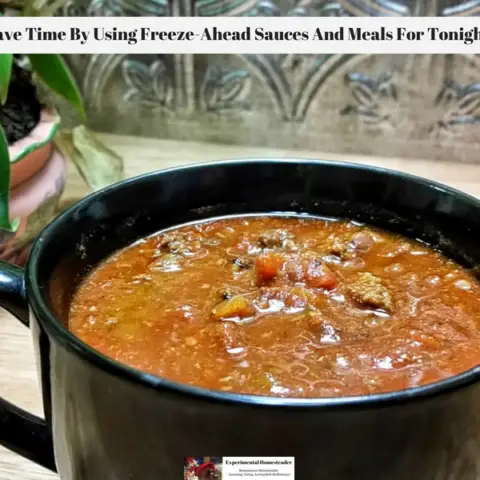
Save Time By Using Freeze-Ahead Sauces And Meals For Tonight
Save time by pre-preparing freeze-ahead sauces and meals for tonight or any night when you need something delicious and nutritious but simply don't have time to cook.
How To Make Delicious Batch Cooking Freezer Recipes
Learn how to make delicious batch cooking freezer recipes. Buying in bulk saves money. Preparing the meals ahead of time saves time.
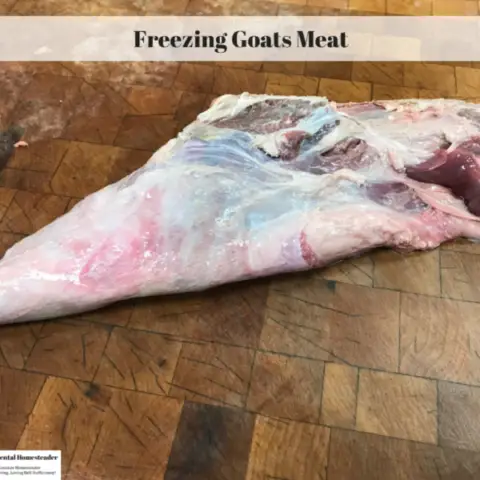
Freezing Goats Meat
Freezing goats meat is as easy as freezing any other type of meat. If you raise goats or have a goat meat store close by this is an easy way to stock up.
How To Start Freezing Goat Milk
Freezing goat milk is the best way to preserve it for use when your goats are not in milk. Drink it fresh or use it in many goat milk recipes.
What Is The Best Method For Preserving Eggs? Find Out Now
Are you wondering how to store eggs? Learn the various techniques you can easily use at home for preserving eggs fresh from your poultry.
How To Dry And Store Homemade Noodles
Learn how to dry homemade pasta plus the best method for storing homemade noodles so they stay fresh for up to six months!
Freezer Recipe: Poached Pears In Wine Sauce
Made with Asian pears and two different types of honey wine, this poached pears in wine sauce freezer recipe is an easy way to preserve fall's bounty.
Four Factors That Affect Food Storage
Understanding the four factors that affect food storage is essential for keeping your food safe, especially if you intend to store it long term.
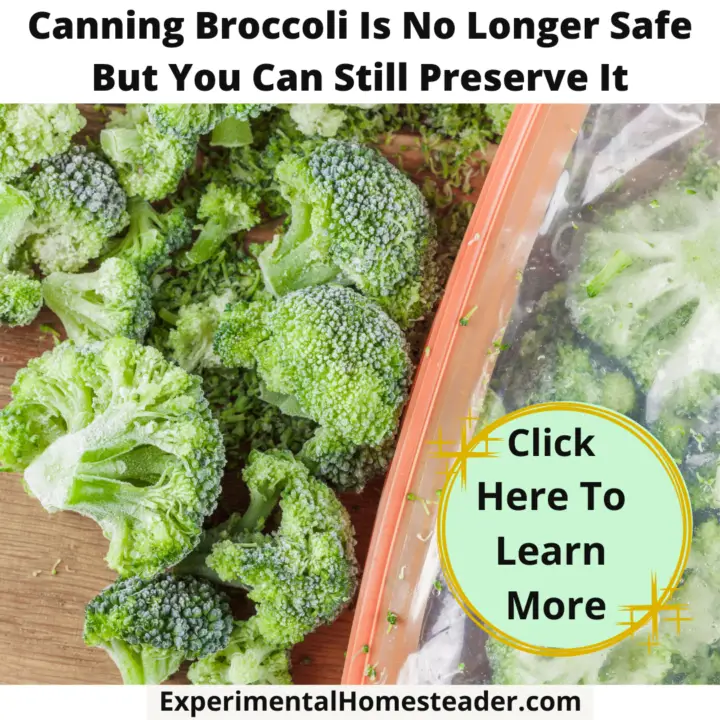
Canning Broccoli Is No Longer Safe But You Can Still Preserve It
Although canning broccoli was once considered safe, times have changed thus freezing, dehydrating or freee drying broccoli is recommended.

Can You Freeze Fudge? Exploring the Sweet Secret of Fudge Preservation
The holidays are a busy time. Can you freeze fudge to make homemade creations easier? Learn the art of preserving fudge here!
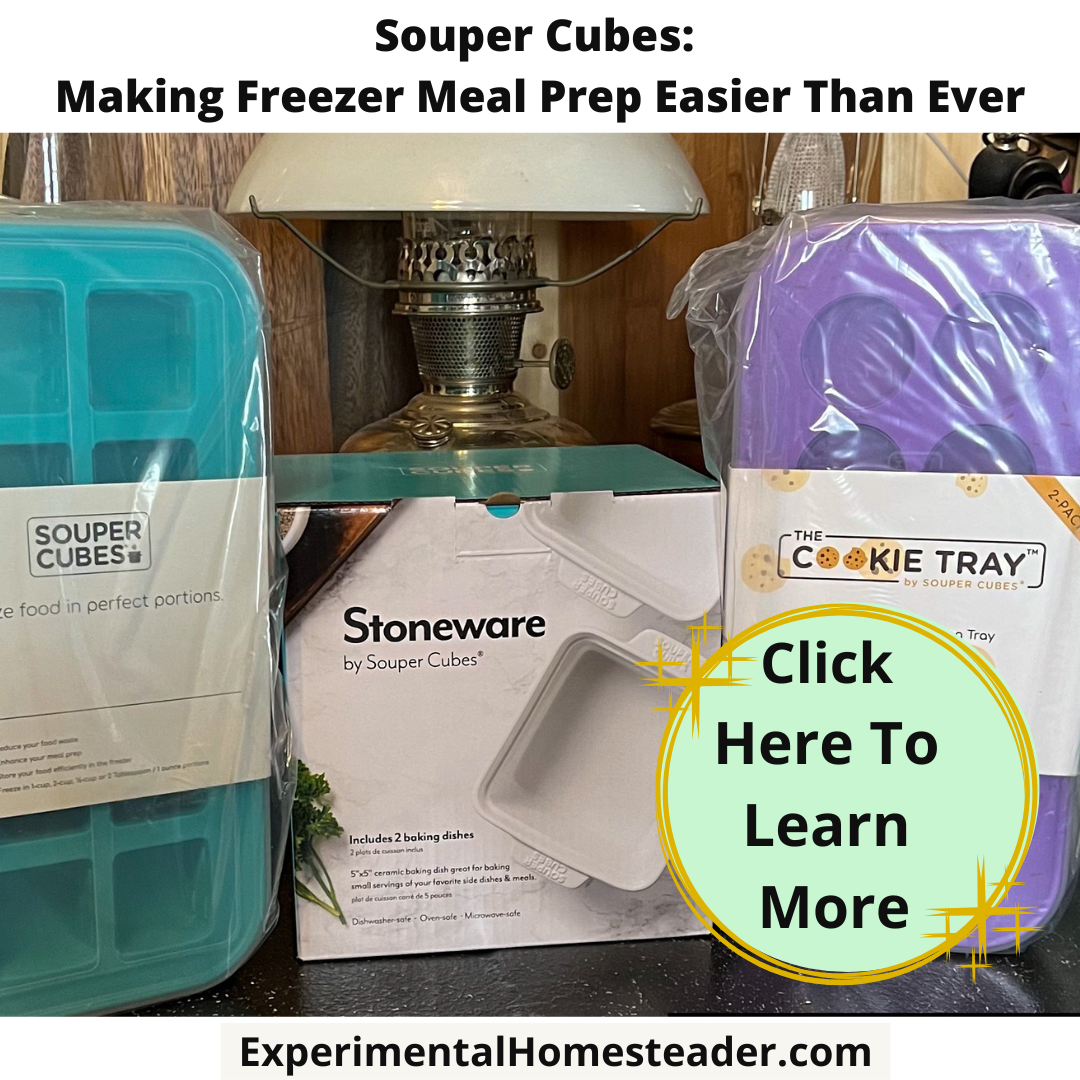
Souper Cubes: Making Freezer Meal Prep Easier Than Ever
Save time and freeze with ease - Souper Cubes is revolutionizing freezer meal prep. Learn about the amazing features of Souper Cubes now!
Preserving Herbs For Winter Use eCourse
Do you love fresh herbs but wonder if there is an easy way to preserve them for the winter?
Do you seek other ways to use herbs other than just as a seasoning on food?
There are so many ways to preserve herbs for winter use – from various methods of drying them to freezing them, but it doesn’t end there.
Some of the best ways to preserve herbs in right in the foods you would normally incorporate herbs into – pre-made seasonings, teas, butter or oil.
Then this is the course for you!
What You Will Learn In This Course:
Hang herbs to dry
Use a hanging herb dryer
Dry herbs on a window screen dryer
Dry herbs in a dehydrator
Dry herbs in an oven
Dry herbs in a microwave
Freeze herbs whole
Make herb ice cubes
Add fresh herbs to freezer meals
Add herbs to canned sauces
Preserve herbs in vinegar
Preserve herbs in oil
Preserve herbs in butter
Preserve herbs in salt or sugar
Make pre-made seasonings
Make herbal tea
Make herb jelly (plus tips on how to use these)