How to Use Edible Flowers in Fall Recipes and Homemade Gifts
Fall is upon us, and it's the perfect time to celebrate the bountiful harvest from our gardens. Today, I'm excited to share a delightful addition to your fall harvest table - edible flowers.
If you've been following my journey, you've probably seen my previous posts on making queen Anne's lace jelly, rose petal jelly, herb and rose petal salad, and nasturtium butter.
Well, guess what? We're going to tie all these together and more, with a delightful fall twist. As homesteaders, we're all about embracing the changing seasons, and fall is a particularly enchanting time. The crisp air, the vibrant foliage, and the rich harvest from our gardens create the perfect backdrop for our homestead gatherings. So, let's dive into the world of crafting edible flower gifts with a fall harvest theme!

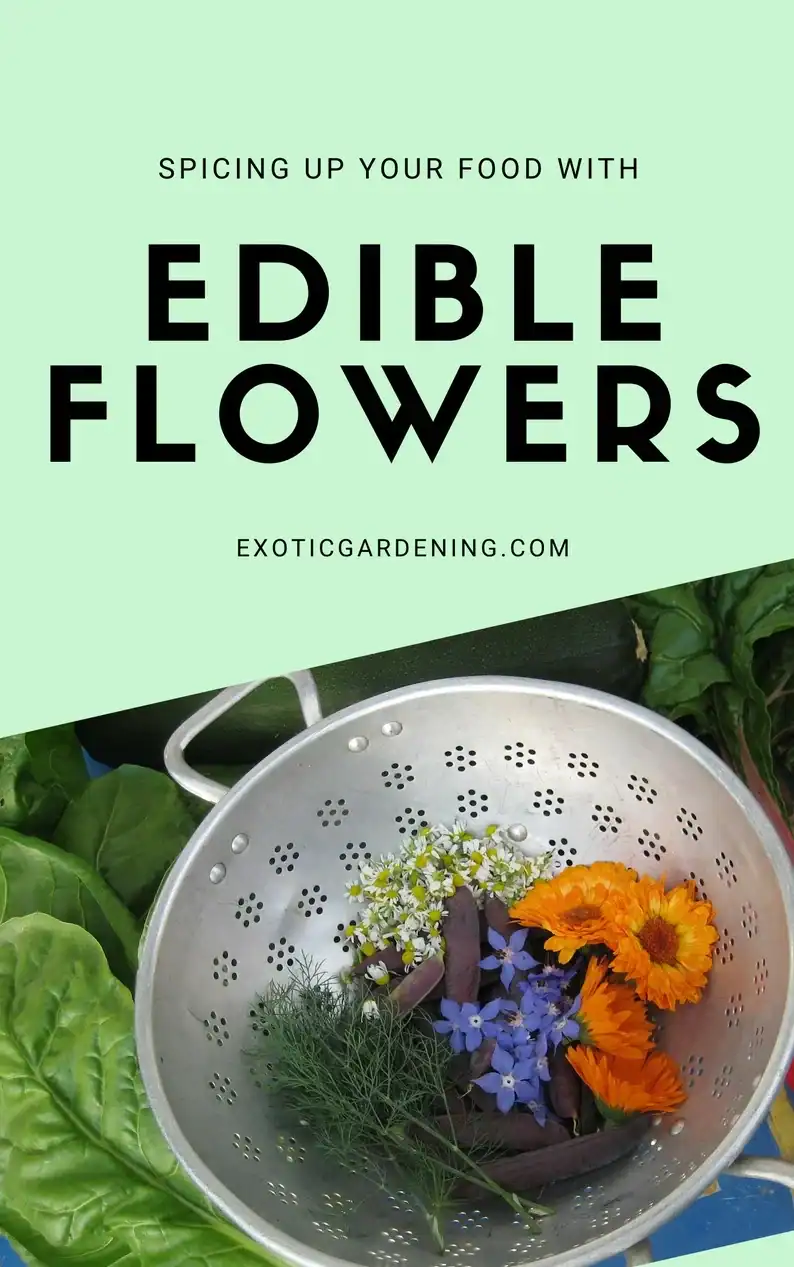
Turn Your Edible Flowers Into Something Delicious
Growing edible flowers is just the beginning! Discover ways to bring those beautiful blooms into your kitchen with my Spicing Up Your Food With Edible Flowers Quick Guide.
Get the Edible Flowers Quick GuideIn This Article
Edible Flower Jelly: A Fall Flavor Explosion
Before you choose a recipe, start with the flowers. Only harvest blossoms you can positively identify as edible, from plants that have not been treated with pesticides or other products unsuitable for food crops. Pick them in the cool of the morning after the dew has dried, when the flowers are fresh and undamaged. Avoid roadside flowers and florist bouquets because you cannot know what they have been sprayed with. Gently shake out insects, rinse briefly if needed and dry on a clean towel. For most kitchen uses, remove tough stems and any bitter or unwanted flower parts before adding the petals.
If you are new to edible flowers, start small. A few nasturtium petals on buttered bread, pansy petals on a salad or a scattering of chive blossoms over a savory dish is enough to see whether you enjoy the flavor. Pansies and violas are usually mild, nasturtiums taste peppery, chive blossoms have an onion-like bite and culinary lavender is intensely aromatic, so each belongs in a different kind of dish. My fresh garden salad with herbs and flowers is another practical place to begin, while caramelized peaches with lavender shows how a little floral flavor can work in dessert.
Jelly is a different project from adding fresh petals to a meal. Start with a tested jelly recipe and follow its ingredient amounts, acidity, jar size and processing instructions exactly. Do not assume that adding a new flower infusion to an existing canning recipe is safe for shelf storage. My Queen Anne's lace jelly and rose petal jelly articles give you specific recipes to consider. If you want to experiment with an untested floral combination, treat it as a refrigerated preparation rather than inventing a shelf-stable canning process.
In a recent post, I shared my love for Queen Anne's Lace Jelly and Rose Petal Jelly, and today, I'm thrilled to take it a step further by introducing you to the captivating world of fall-inspired edible flower jelly.
Picture the colors and flavors of autumn captured in a jar and brought to your fall harvest table. Edible flower jelly can be a lovely way to make use of blossoms you have grown yourself, especially when you want to give a homemade gift that feels personal rather than something picked up at the store.
Queen Anne's Lace with a Fall Twist
Remember that delightful Queen Anne's Lace Jelly I raved about? Now, imagine infusing it with edible flowers freshly plucked from your fall garden. It's like taking a stroll through your homestead and capturing the very essence of autumn.
Queen Anne's lace deserves particular care because several dangerous plants resemble it. Never gather an umbel-shaped wildflower for food unless you are absolutely certain of its identity and can distinguish it from poison hemlock and other look-alikes. If you are new to identifying wild plants, skip foraged Queen Anne's lace and begin with a familiar cultivated edible flower instead. When you are ready to make jelly, follow the ingredient and processing directions in the linked recipe rather than adding extra flowers to the jar.
Rose Petal Jelly: A Symphony of Fall Colors
Roses offer another way to bring flowers into the kitchen. My rose petal jelly article covers that preparation, and my rose petal and rose hip recipes provide more ideas for using different parts of the plant. Rose hips and flower petals are not interchangeable ingredients in a preserved recipe, so choose the instructions written for the specific ingredient you have.
These sunny blossoms infuse the jelly with a warm, golden hue that mirrors the changing leaves outside your window. Each spoonful becomes a taste of fall's splendor, preserving the season's beauty in a jar.
Harvesting the Autumn Aroma
The magic of edible flower jelly in the fall extends beyond taste and color. It's about capturing the very essence of the season in a culinary creation. As you prepare these jellies, the aromas of late summer and early fall intermingle - the earthiness of fallen leaves, the crispness of the air, and the hint of woodsmoke in the breeze. It's like bottling up the fragrances of your homestead during this enchanting time of year.
Creating Your Fall Symphony in a Jar
To craft your own fall-inspired edible flower jelly, start by selecting a mix of edible flowers from your garden. Marigolds and calendulas are excellent choices for their warm tones, but feel free to explore other blooms that thrive in your region during the fall months such as pansies, hibiscus, Batchelor's buttons, squash blossoms, or nasturtiums.
When making jelly, the practical first step is choosing a tested recipe that already specifies the flower or infusion you plan to use. Follow the recipe's proportions and processing directions without adding extra petals, substituting liquids or changing acidity. For a gift, label the jar with the recipe name and date, and follow that recipe's storage instructions. If you want to play with unfamiliar flower combinations, make a small refrigerated treat instead of assuming it can be safely canned.
Sharing the Harvest Love
As homesteaders, sharing our harvest and creativity with others is at the heart of what we do. Fall-inspired edible flower jelly is not just a treat for your own table but a heartfelt gift for friends and family.
For a gift, the useful details matter as much as the appearance. Label the jelly with its name, preparation date and any ingredients the recipient may need to know about. Use the storage instructions that belong to the tested recipe, and do not describe an experimental refrigerated jelly as shelf-stable. A little care with those details makes a homemade gift easier for someone else to enjoy.
Nasturtium Butter: Autumn's Vibrant Spread
For an easy first project, start with my nasturtium butter recipe. Gather fresh, fully opened nasturtium flowers from plants you know have not been treated with unsuitable sprays, check them for insects, and gently wash and thoroughly dry them if needed. Chop the petals and fold them into softened butter according to the recipe, then chill the butter until it firms up. Spread it on homemade rosemary peppercorn bread or serve it beside a fall meal. The peppery petals are what make nasturtiums particularly useful in savory butter; you do not need a complicated recipe or a large harvest to try them.
If you would like to grow your own edible flowers, start with four easy edible organic flowers on Exotic Gardening. For flowers you can start from seed, I also have guides to starting pansies and violas and germinating viola seeds. These growing guides are useful when you want a steady supply of flowers instead of buying an occasional packet for a special meal.
Nasturtiums are worth growing for the kitchen because you can use the flowers as well as the leaves. Their peppery flavor makes them particularly useful with butter, cheese, sandwiches and salads. They also make an easy starting point for anyone who wants to experiment with edible flowers without purchasing special equipment or learning an entirely new cooking technique.
If you have a handful of nasturtium flowers and some butter, you already have the makings of a useful addition to supper. The full recipe explains the proportions, but the process is straightforward: prepare the flowers, combine them with softened butter and chill the mixture before serving. There is no need to wait for a holiday or a large gathering to try it.
How to Prepare Nasturtium Flowers for Butter
Nasturtiums are a good choice for a first edible flower project because their peppery flavor is easy to recognize. Harvest blossoms from your own untreated plants on a dry morning, choosing flowers that are freshly opened rather than wilted. Look inside each flower for insects, then rinse gently only if needed and pat the flowers dry with a clean towel. Remove the stems and use the tender edible flower parts. Water left clinging to the petals can make a finished compound butter watery, so take a little time with this step.
Set out the amount of butter called for in my nasturtium butter recipe until it is soft enough to stir but not melted. Prepare the blossoms as directed in that recipe, fold them through the butter, then cover and refrigerate it. For supper, you can simply spread a little on a slice of rosemary peppercorn bread. For company, shape the butter in a small dish and garnish with a fresh edible blossom just before serving. Keep it refrigerated between uses.
Choose the flowers for their flavor first. Nasturtiums have a peppery bite that works well with rich butter, while the petals provide bright color. Pick blossoms that are fresh and free of damage, and use them soon after harvesting for the best texture. You can also sample a clean petal before preparing the butter to decide how strongly you want that flavor to come through.
A Nasturtium Butter that not only tantalizes your taste buds with its unique flavor but also showcases the hues of autumn. The bright oranges and deep reds of nasturtium blossoms create a visual masterpiece within your butter, mirroring the vivid foliage outside your window.
Autumn Magic on Your Harvest Table
Now, imagine presenting a dish of freshly baked bread, a wheel of creamy Nasturtium Butter adorned with fiery petals, and a backdrop of rustic autumn leaves on your harvest table. The visual appeal is undeniable, and the flavor? Well, it's a burst of autumn captured in every bite.

Don't Forget Herb Flowers
Before you cut back your herbs for the season, look for flowers you can use in the kitchen. Chive blossoms are especially easy for beginners because their mild onion flavor makes sense in savory foods. Pull a few individual florets from a clean, untreated blossom and scatter them over a salad, a baked potato or a bowl of softened butter. Basil flowers have a recognizable basil flavor and work in small amounts with tomatoes and salads; oregano flowers are another option for savory dishes. Taste a tiny piece before adding more, since the strength of herbs and their blossoms varies.
Harvest herb flowers from healthy plants in your own garden, preferably in the morning after surface moisture has dried. Check for insects and damaged petals, rinse gently if necessary and dry completely so extra water does not make butter soggy or dilute a dressing. If you want to start an herb garden specifically for cooking, my easy herb garden for beginners and herb garden tips on Exotic Gardening will help you choose plants and keep them growing. For a ready-made serving idea, see my herb and rose petal salad or fresh garden salad with herbs and flowers.
Speaking of edible flowers, don't overlook the herb garden during the fall season. Herb flowers, with their delicate fragrances and flavors, make wonderful additions to your butter creations too.
Think of oregano or sage flowers or the delicate onion-garlic taste of chive blossoms mingling with the zest of nasturtiums. It's an opportunity to create a symphony of herbal and floral flavors that will elevate your harvest table to new heights.
Make a Simple Salad with Herbs and Edible Flowers
You do not have to make a complicated salad to try edible flowers. Begin with greens you already enjoy, then add a small amount of fresh herbs and a few edible petals. Pansy and viola petals bring gentle flavor and color; nasturtiums add a noticeable peppery bite. Rose petals can be used too, provided you know the variety is edible and the flowers were grown without unsuitable sprays. Remove the pale, sometimes bitter base of rose petals if it affects the flavor. Taste each flower separately before you mix it into the salad, because a little goes a long way.
Wash your salad greens as usual and dry them well. Check the flowers for insects, rinse carefully if necessary, and blot them dry rather than soaking them. Assemble the greens and herbs first, add dressing lightly, then scatter the petals over the salad just before you serve it. That keeps delicate petals from being bruised or buried under the dressing. For a more complete recipe, see my herb and rose petal salad or fresh garden salad with herbs and flowers.
My Herb and Rose Petal Salad is a practical way to try flowers without changing the way you normally prepare lunch or supper. Start with salad greens you enjoy, add fresh herbs in amounts that suit your taste and finish with a few clean edible petals. If you are unsure about the flavor, try one petal by itself before adding it to the entire bowl.
In fall, the useful question is what is still growing in your garden. Check your herbs for tender leaves and flowers, and inspect roses for fresh petals that have not been damaged by rain or frost. Harvest from plants you can identify and whose treatment history you know. A few good blossoms are more useful in the kitchen than a basket of flowers that are already past their best.
The Art of Fall Herb Harvesting
Harvesting fresh herbs during the autumn months is a true pleasure. The herbs have soaked up the sun's warmth all summer, infusing them with robust flavors that intensify as the temperatures drop.
Take a small harvest of basil or thyme from healthy plants, and taste the leaves before deciding how much to add. Basil brings a distinctive sweet-herbal note, while thyme is more assertive and is usually better in smaller amounts. Remove tough stems, rinse and dry the herbs if necessary, then chop or tear them just before serving so they stay fresh. Use flowers only when you have confirmed the species and edible parts.
Roses in Full Bloom
But what truly sets this salad apart is the inclusion of velvety rose petals. As other blooms fade, the roses continue to flourish, offering their rich and luxurious petals as a gift to your fall harvest table.
Rose petals vary in fragrance and flavor, so try a small clean petal before adding a handful to your salad. Remove the whitish base if it tastes bitter, and use only roses that you know were grown without treatments unsuitable for edible crops. Scatter the petals on top of the finished salad rather than stirring them through the dressing, which can bruise their delicate texture.
A Visual Feast
For the best presentation, wait until the salad is ready to serve before adding the petals. Tossing delicate flowers through a heavily dressed salad can bruise them and make them wilt. Place them on top instead, where guests can see what they are eating, and identify the flowers for anyone who has never tried them before. That small finishing step is often enough to make an everyday salad feel special.

Fall's Hidden Treasures
In fall, look at what is actually blooming before you plan a recipe. Pansies and violas often appreciate cooler weather, while nasturtiums may continue flowering until frost if conditions suit them. Choose fully opened, fresh flowers that you can identify confidently, and harvest only what you expect to use. Flowers from a garden center or florist are not automatically safe to eat, even when the species itself is edible; their growing and treatment history matters. If you want to grow flowers for the table next year, my pansy and viola seed-starting guide explains how to begin.
Not every flower belongs in every dish. Use peppery nasturtium flowers with butter, cheese and salads; try mild pansy and viola petals as a finishing touch on a cold appetizer; and reserve strongly scented culinary lavender for recipes designed around its flavor, such as my caramelized peaches with lavender. Use only the edible parts recommended for each correctly identified species. If you have allergies to related plants or pollen, use extra caution and ask a qualified clinician before trying an unfamiliar edible flower.
Fall is often seen as a time of harvesting the last of the summer bounty, but it's also a season brimming with hidden treasures. Edible flowers, when grown during this time, take on distinct characteristics.
Cool weather can help some flowers continue blooming, but it does not automatically make every blossom edible or improve its flavor. What matters is the plant species, its condition and how it was grown. Inspect each harvest, discard wilted or damaged blossoms, and use only flowers you have positively identified as safe for food.
Exploring Unique Flavors
As you cultivate edible flowers in the fall, you'll discover unique flavors that emerge in response to the changing weather. Cool nights and mild days coax out intricate taste profiles.
Calendula petals can add color to foods, but do not assume that every flower sold under the name marigold has the same culinary uses. Common names can refer to different plants. Check the botanical identity and edible parts before harvesting, and taste a small amount of a correctly identified flower before deciding whether its flavor belongs in your dish.
Creating Autumn-Themed Gifts
These fall-grown edible flowers can be the finishing touch on homemade gifts, from a decorated cheese log to a basket filled with garden-inspired treats. They add color and a personal connection to the garden, especially when you have grown and harvested the blossoms yourself.
Whether it's infusing their flavors into jellies or decorating cheese logs, their distinctive characteristics mirror the changing season. Your autumn-themed gifts will not only delight the taste buds but also evoke the very essence of fall.
How to Decorate and Serve an Edible Flower Goat Cheese Log
A goat cheese log is a manageable project even if you have never cooked with flowers before. Make the cheese appetizer using my pecan-crusted goat cheese log recipe as your starting point. You can keep the pecan coating for texture and add a few edible petals as decoration rather than assuming the flowers have to replace the nuts. If you need a nut-free version for a guest, use a recipe that meets that guest's dietary needs and avoid cross-contact during preparation.
Choose clean, dry pansy or viola petals for a milder finish, or use a small amount of nasturtium for a peppery contrast. Gently press the petals onto the surface of the prepared cheese shortly before serving, arranging them where guests can see them. Return the appetizer to the refrigerator until you are ready to bring it out, and serve it with crackers or bread. For a homemade gift, transport it chilled, identify the flowers and allergens for the recipient, and make sure they know it needs refrigeration.
For a fall gathering, a goat cheese log is one of the easiest ways to serve edible flowers because you can prepare the appetizer ahead and finish the decoration shortly before guests arrive. Begin with my pecan-crusted goat cheese log recipe, then add a small amount of clean, correctly identified edible petals just before serving. Nasturtium petals bring a peppery note, while pansies and violas are generally milder. Choose flowers grown without pesticides or sprays that are not labeled for edible crops, and keep the prepared cheese refrigerated until serving time.
You can leave the pecans in the original goat cheese recipe for their crunch and add edible petals as a garnish, or choose a different coating if you need to accommodate someone who cannot eat nuts. Flowers are a finishing ingredient here, not a direct substitute for the flavor and texture of pecans. Keep the appetizer chilled until serving, and tell guests which flowers you used.
Sharing the Season's Bounty
When I put together a homemade food gift, I think about how the recipient will actually use it. A small container of nasturtium butter makes sense for someone who enjoys fresh bread, while a chilled, flower-decorated goat cheese log is better suited to a gathering where it can be served promptly. Include a note naming the flowers and any common allergens, and tell the recipient whether the gift must stay refrigerated. Keep dairy-based gifts cold during transport and do not leave them sitting out for an afternoon.
For a gift that can be prepared farther ahead, begin with a tested preserve rather than improvising a canning formula. You can find my rose petal jelly, Queen Anne's lace jelly and overview of home food preservation methods on Experimental Homesteader. For another fresh-flower gift idea, visit pansy and viola edible flower gifts. You do not need to make every idea in this article: choose one flower you know, one recipe you want to try, and start there.
As homesteaders, we know that sharing is an integral part of our lifestyle. It's a way of saying, "Here, I'm sharing the magic of autumn from my homestead with you." So, my fellow homesteaders, let's embrace the fall season with open arms.
Whether you start with a few petals on salad, a small batch of nasturtium butter or a decorated goat cheese appetizer, choose one idea that fits what you already have in the garden and kitchen. Follow the linked recipe for the full ingredient amounts, keep the flowers properly identified and handled, and build on that first success when you are ready to try something else.
If you've tried any of these autumn-inspired creations or have your own experiences to share, please do so in the comments below. Let's continue celebrating the beauty of fall together.