Herb And Rose Petal Salad
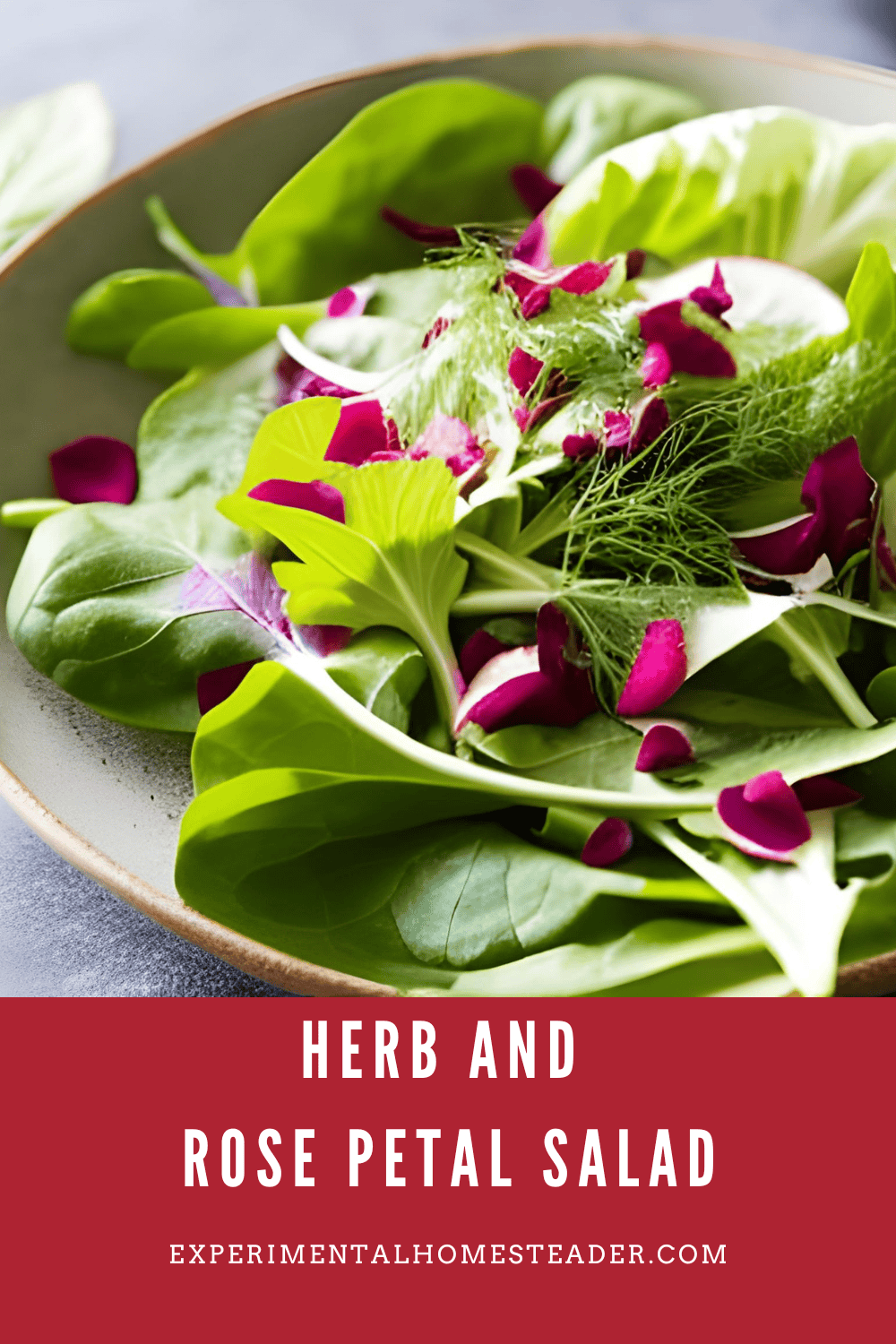
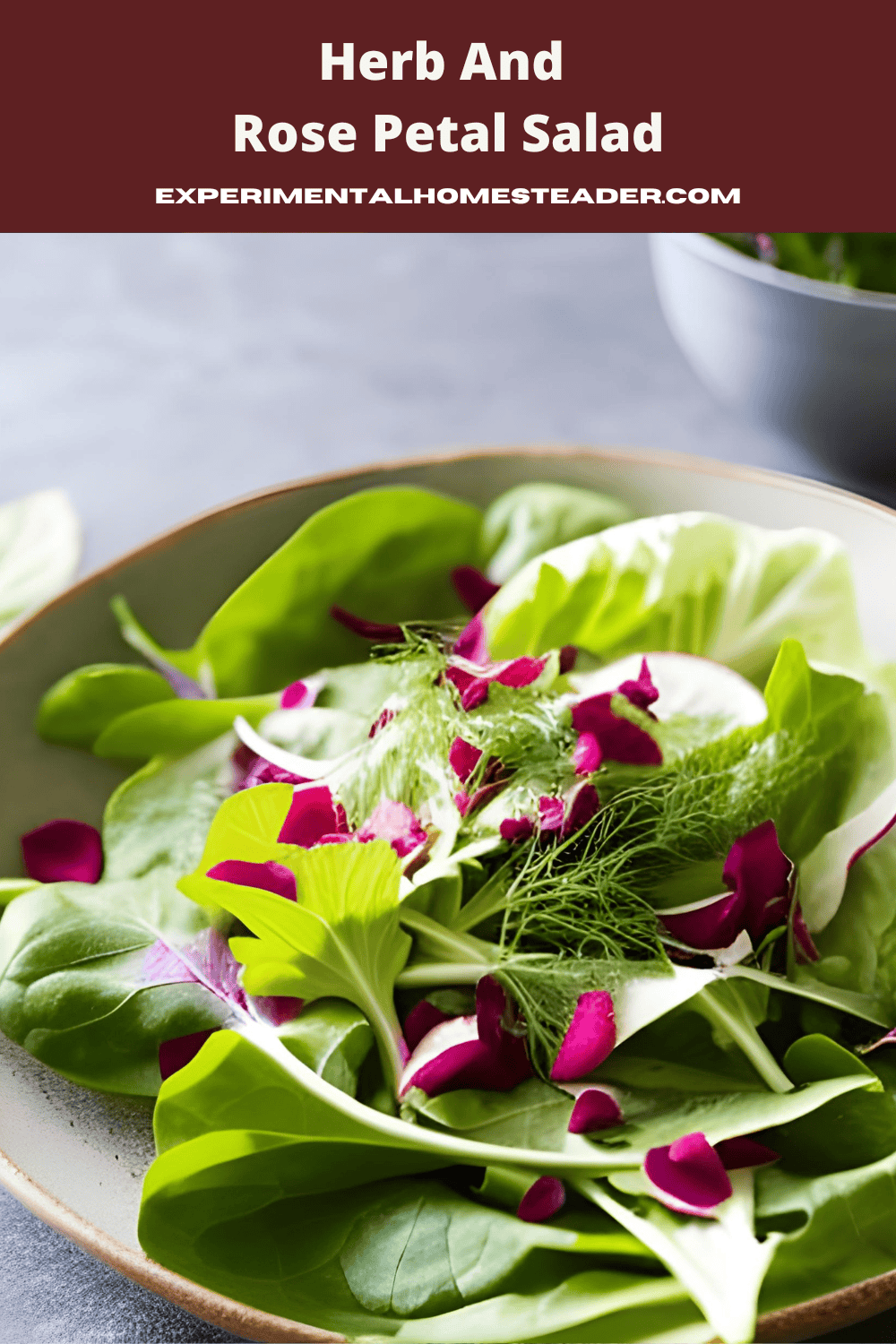
Rose petals in a salad? Absolutely. My early spring garden gave me everything I needed for a colorful bowl of lettuce, peppery red mustard, purple basil, dill, parsley and fragrant rose petals. The surprise is how well those flavors work together.
I originally shared this salad with a home video in which I managed to cut off part of my head in the camera frame. The camera work was imperfect, but the harvest was real. Below, I explain exactly how I combine the greens, herbs and edible rose petals, and how you can adjust the salad to what your own garden produces.

In This Article
What Is an Herb and Rose Petal Salad?
This is a fresh, uncooked salad built around edible garden harvests rather than a bag of mixed greens. Lettuce provides the base, red mustard adds a little bite, and purple basil, dill and parsley season the leaves. Edible rose petals add fragrance and color. It works as a light lunch, a side dish for supper or a first course when you want something from the garden on the table without turning on the stove.
I first made it from an early-spring harvest, but the exact date matters less than what is ready to pick. Use young, tender leaves when they are at their best. Roses bloom at different times depending on the variety and weather, so the finished bowl may change from one harvest to the next. That flexibility is part of the point: this is a practical way to eat what you grow, not a recipe that requires you to buy a dozen specialty ingredients.
What You Need for the Salad
My original salad included lettuce, red mustard greens, purple basil, dill, parsley and rose petals. For an easy starting batch that serves two as a side dish, use approximately three cups of loosely packed lettuce, one cup of tender red mustard greens, two or three purple basil leaves, one tablespoon each of chopped fresh dill and parsley, and a small handful of clean edible rose petals. These are suggested proportions for recreating the salad, not measurements recorded from my original garden video. Taste the mustard, herbs and petals before adding more because their strength varies.
You will also need a colander or salad spinner, a clean kitchen towel, a bowl large enough to toss the greens gently, and a small bowl or jar if you want to make dressing. A sharp knife or kitchen scissors makes quick work of chopping herbs, but you can tear tender basil leaves by hand. Keep the rose petals separate while you prepare everything else so they do not become bruised or soggy.
How to Make a Garden-Fresh Herb and Rose Petal Salad
Start by choosing a mix of tender lettuce and a smaller handful of red mustard greens. The mustard adds a pleasantly peppery bite, so taste a leaf before deciding how much to use. Tear larger leaves into bite-sized pieces and place them in a wide bowl where you can toss everything without crushing the petals.
Strip tender purple basil leaves from their stems and add a little chopped dill and parsley. Use the herbs as seasoning rather than allowing any one of them to overwhelm the lettuce. Rinse the rose petals separately, remove any tough or bitter white bases if needed, and scatter them over the salad at the end. A simple dressing of olive oil and a little lemon juice or vinegar works well, but add it gradually and taste so it does not overpower the floral notes.
When and Where to Harvest Your Ingredients
Harvest salad greens when they are crisp and before they have become tough or excessively bitter. I like to gather the ingredients close to mealtime whenever possible, but you can harvest earlier and refrigerate them until you are ready to assemble the salad. Check the undersides of leaves for insects, remove damaged foliage, and keep harvested greens out of direct sun. A basket or shallow container is easier on delicate leaves than a tightly packed bag.
Pick rose petals from flowers you can positively identify and know have been grown without treatments that make them unsuitable for food. Avoid florist roses, flowers from unknown sources and any blooms growing where spray drift or other contamination is a concern. Use petals that look fresh and smell pleasant, not wilted flowers that have been sitting in the garden for days. If the rose has a bitter pale base where the petal attaches, trim that part away. The goal is to bring the best of the garden into the kitchen, not to use every petal simply because it is available.
How the Ingredients Change the Flavor
Every ingredient in this salad has a job. Lettuce makes up the tender, mild base, while red mustard greens add a little heat that keeps the bowl from tasting bland. Purple basil has a more assertive fragrance than lettuce, so a few leaves go a long way. Dill contributes a fresh, distinctive flavor, and parsley helps round out the stronger herbs. The rose petals are the finishing touch rather than the main ingredient. If you pile on too many, the floral flavor can overpower everything else.
That balance is especially important when you are harvesting from a mixed garden. Taste a small piece of each green or herb before putting it into the bowl. Young mustard leaves may be tender enough to use generously, while older leaves can taste sharper. A strongly scented rose may need only a few petals, while a mild rose might contribute more color than fragrance. Adjusting as you go makes this a repeatable method rather than a salad that only works with one exact harvest.
Choosing Roses and Herbs for Salad
Not every flower belongs on a dinner plate. Use roses you have correctly identified and grown without chemicals unsuitable for edible crops. Avoid petals from bouquets and roadside plants. Choose fresh, clean petals without signs of decay, and taste a small piece first because some roses are much more fragrant or bitter than others. If you are new to edible flowers, my guide to cooking with edible flowers and herbs explains how to pair their flavors with everyday meals.
You can also change the salad as the garden changes. For a peppery alternative, learn how to eat nasturtiums, including the leaves and flowers. If you enjoy rose flavor beyond salads, my rose petal jelly is another way to bring edible roses into the kitchen.
A Simple Dressing That Does Not Hide the Flowers
For a garden salad with fragrant petals, I would start with a light dressing instead of a thick, heavily seasoned one. Whisk together three tablespoons of olive oil and one tablespoon of lemon juice or mild vinegar, then add a small pinch of salt and freshly ground pepper. This makes a basic dressing you can taste and adjust before it ever touches the greens. If the rose petals are especially fragrant or the mustard greens are strong, you may prefer even less dressing.
Add only enough dressing to lightly coat the leaves. Toss the lettuce, mustard greens and herbs first, then arrange the petals over the top so they are not bruised. You can put the remaining dressing on the table for anyone who wants more. The original salad is about the fresh ingredients, so this dressing is an optional serving idea rather than a requirement.
Common Problems and How to Fix Them
If the salad tastes too peppery, reduce the red mustard and add more mild lettuce. If dill or basil dominates, increase the greens rather than adding another strong herb. If the petals taste bitter, use fewer of them, try a different edible rose from your garden, and remove the pale base of the petal when it tastes harsh. If the salad is watery, dry the washed greens more thoroughly and wait to add dressing until just before serving.
Wilting is usually a timing problem. Keep washed greens chilled, store the delicate petals separately, and assemble the salad at the last minute. This matters even more if you are serving it outdoors on a warm day. The salad should be crisp and fresh, with the herbs and roses adding interest rather than becoming limp decorations.
Serving and Making the Salad Ahead
Serve this salad immediately after tossing so the leaves remain crisp and the petals keep their shape. To prepare ahead, wash and thoroughly dry the greens, store them chilled, and keep the herbs, petals and dressing separate until you are ready to eat. If you want to make a larger garden-inspired meal, serve it alongside a simple roasted chicken or fresh bread. This is an especially useful way to enjoy small harvests that are not large enough to make a whole dish on their own.
Turn the Salad into a Complete Garden Supper
A bowl of lettuce and petals is lovely, but it is not the whole supper when everyone is hungry. I like the idea of using this salad as the fresh, colorful part of a substantial meal, with a main dish, potatoes or another filling side, vegetables and something sweet afterward. The rose petals and herbs provide contrast to richer foods rather than competing with them.
The Main Dish: Roast Chicken with Garden Herbs
Roast chicken is an especially good companion because the savory flavor makes the cool salad taste even fresher. Season the chicken with thyme, rosemary or sage and cook it thoroughly, checking the thickest part with a food thermometer. If you are cooking smaller portions instead of a whole bird, my oven chicken breast recipe is an easy place to start. Put the salad together while the cooked chicken rests so the greens reach the table crisp.
The Potatoes and Gravy
Mashed potatoes or roasted potatoes make the meal filling. Fresh chives or parsley can go into the potatoes, while rosemary works especially well on roasted wedges. If you have chicken drippings, make a simple gravy by cooking two tablespoons of drippings or butter with two tablespoons of flour for a minute or two, then whisking in about one cup of broth. Simmer until smooth and thickened, adjusting with more broth as needed. Keep the gravy on the chicken and potatoes rather than pouring it over the delicate rose petal salad.
The Vegetables and Bread
Serve whatever vegetables are coming in from the garden, such as green beans, carrots or sweet corn, cooked in a way that suits the rest of the meal. A little butter and chopped parsley may be all they need. Fresh bread is useful for soaking up gravy, and my rosemary peppercorn bread carries the garden-herb theme through the meal. If you want another edible-flower spread on the table, try nasturtium butter.
Dessert and Something to Drink
After a savory supper, you can keep the flower theme going with a small serving of rose petal jelly on a suitable dessert or bread, or explore my lavender bread recipe for a different floral flavor. A cup of herbal tea makes a fitting finish. You do not need flowers in every course; one or two thoughtful uses are enough to make a meal feel connected to the garden.
Frequently Asked Questions About Rose Petal Salad
Can you eat rose petals raw in a salad?
Yes, petals from correctly identified, edible roses can be served raw when they are clean and have not been treated with chemicals unsuitable for food crops. Use fresh petals in small amounts and taste them first. Their fragrance and bitterness can vary considerably from one rose to another.
Which herbs go well with rose petals?
In this salad, I use purple basil, dill and parsley with lettuce and red mustard greens. The basil adds fragrance, dill brings its distinctive fresh flavor, and parsley keeps the mixture balanced. Start with a little of each and adjust to suit the greens you have harvested.
Can I prepare the salad the day before?
Wash and dry the greens ahead of time and refrigerate them separately from the rose petals and dressing. Assemble and dress the salad shortly before serving so the petals stay attractive and the greens do not wilt.
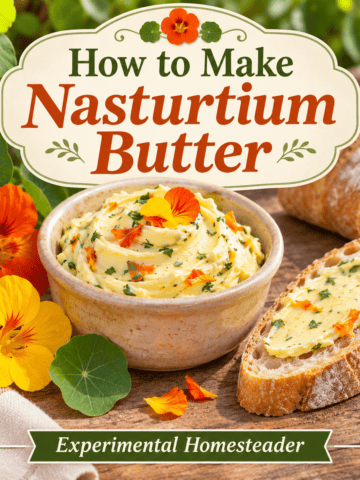
If you want to explore another way to use edible flowers in a savory dish, try my nasturtium butter recipe. The peppery flowers make a useful contrast to the delicate rose petals in this salad.
Print
Herb And Rose Petal Salad
Fresh garden salad with lettuce, red mustard greens, purple basil, dill, parsley and edible rose petals.
- Total Time: 15 minutes
- Yield: 2 side servings 1x
Ingredients
- 3 cups loosely packed fresh lettuce leaves
- 1 cup tender red mustard greens
- 2 to 3 fresh purple basil leaves
- 1 tablespoon chopped fresh dill
- 1 tablespoon chopped fresh parsley
- 1 small handful edible rose petals, clean and unsprayed
- 3 tablespoons olive oil (optional dressing)
- 1 tablespoon lemon juice or mild vinegar (optional dressing)
- Salt and freshly ground pepper to taste (optional dressing)
Instructions
- Harvest or select tender lettuce, red mustard greens, basil, dill, parsley and edible rose petals from known food-safe plants.
- Gently wash the greens and herbs, check for insects and dry thoroughly in a salad spinner or clean towel.
- Tear the lettuce and mustard greens into bite-sized pieces and put them in a large bowl.
- Tear the basil leaves, chop the dill and parsley, and add the herbs to the greens. Toss gently.
- If using dressing, whisk together olive oil and lemon juice or mild vinegar with a pinch of salt and pepper. Add a little at a time and toss lightly.
- Inspect and gently rinse the rose petals. Remove any bitter white petal bases if needed, then scatter the petals over the salad immediately before serving.
- Serve right away while the greens are crisp and the petals are fresh.
Equipment
Notes
These suggested quantities make approximately two side-dish servings and were developed to help readers recreate my original garden salad; I did not measure the original filmed harvest. Use only positively identified, food-safe, unsprayed edible rose petals. Adjust the mustard greens, herbs and petals to taste. Keep washed greens, petals and dressing separate if preparing ahead. Dressing is optional.
- Prep Time: 15 minutes
- Cook Time: 0 minutes