Honey Herbed Rose Petal Jelly Fried Chicken Recipe
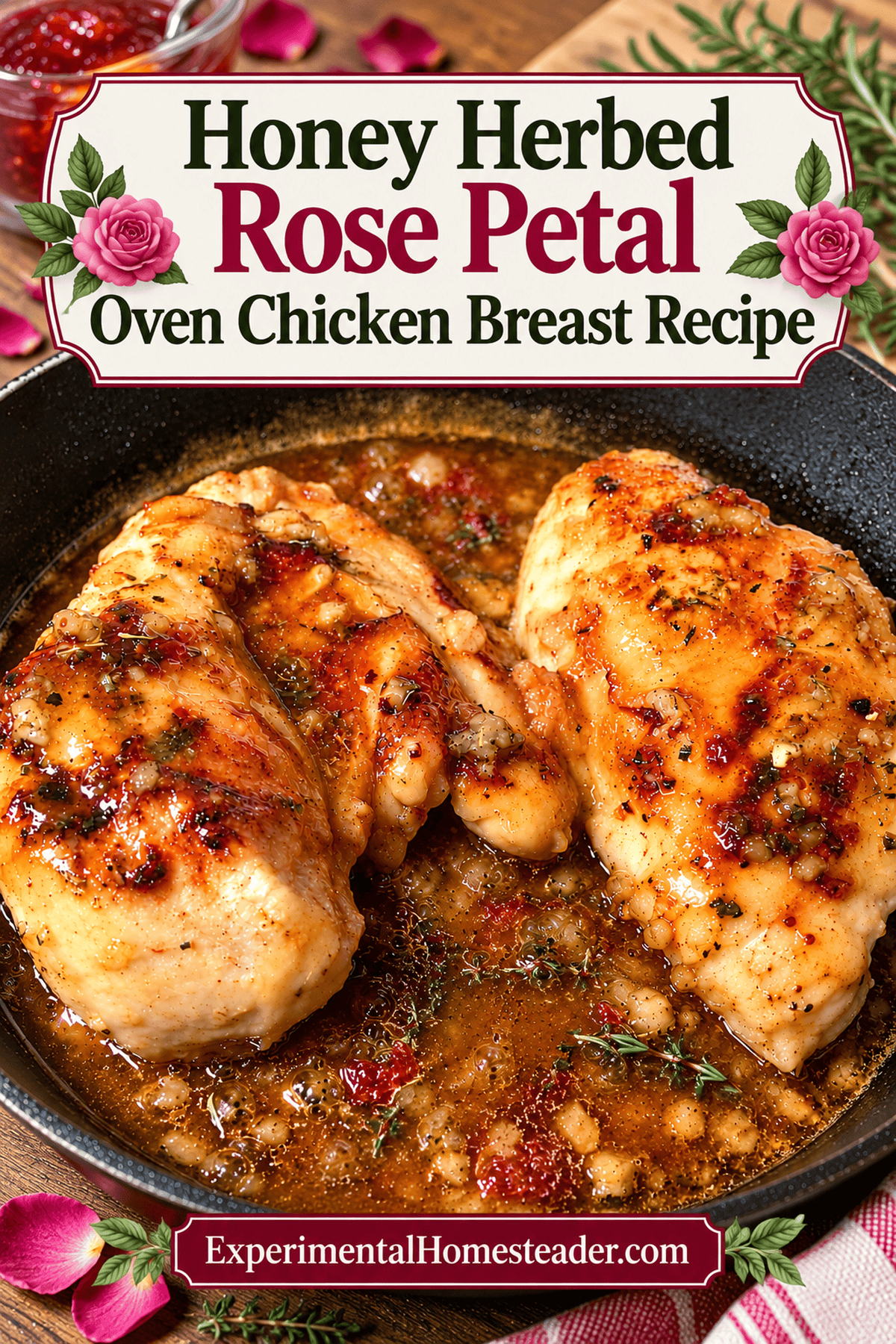
Have you ever looked at a jar of homemade rose petal jelly and wondered what you could do with it besides spread it on toast? I decided to try something a little different and use it for supper. I paired that fragrant jelly with honey, cinnamon extract, garlic and herbes de Provence, spooned it over two thawed bone-in chicken breasts and baked everything together. Then I gave the chicken a light coating of flour and browned it in butter. The result was a sweet, savory chicken dish with a floral flavor that certainly wasn't an ordinary weeknight supper.
I especially like recipes that let me use something I've preserved from the garden in a way that surprises people. My honey herbed rose petal oven chicken breast recipe is a good example. The rose petal jelly contributes a floral sweetness, complemented by honey, garlic, herbs and cinnamon extract give the dish layers of flavor. It is the sort of experiment that makes cooking from the garden interesting: you start with ingredients you know, try a new combination and discover what you might change the next time.
The first time I made this version, I thought it was rather sweet. I wanted to experiment with the amounts of honey and jelly to keep the flavor while dialing back the sweetness. Jeffrey enjoyed it exactly as I made it, which tells you something important about cooking at home: two people can taste the same dish and want slightly different things from it. I'm keeping the original ingredient amounts in the recipe card so you can try the dish the way I made it. I'll also show you how to follow my original oven-then-frying-pan method, when to check its temperature and what you can adjust if you prefer a less sweet supper. That way, you can follow my method and still make an informed decision about what works in your own kitchen.
In This Article
Why Rose Petal Jelly Works With Chicken
Rose petal jelly might sound like something reserved for biscuits or a pretty dessert, but think about how often sweet and savory flavors appear together at the dinner table. Honey-glazed chicken is familiar to many home cooks. Adding rose petal jelly takes that idea in a more fragrant direction. The flavor depends on the roses used to make the jelly, so a strongly scented garden rose can produce a different result from a milder one. The goal is a pleasant floral note that works with the herbs, not a dish that tastes overwhelmingly of perfume. If you are making your own preserves, my rose petal jelly recipe explains how I turn fragrant, organically grown rose petals into jelly.
For this recipe, use jelly made from correctly identified edible roses that have not been treated with pesticides or other products unsuitable for food crops. Florist roses are not a substitute. If you're new to cooking with flowers, begin by tasting a small amount of your jelly before it goes into the pan. That tells you whether its flavor is delicate or pronounced and helps you decide how sweet you want the finished chicken. My original version uses both jelly and honey; reducing one or the other is an experiment you can make on a future batch, although it will change the sauce's sweetness and consistency.
Before You Put the Chicken in the Oven
Chicken breasts can vary enormously in thickness, even when the package contains only two pieces. That matters more than the number of minutes printed in any recipe. A thick breast takes longer to cook than a thin one, and a smaller breast can dry out if you leave it in the oven simply because the directions say forty minutes. Allow for differences in size and thickness when checking doneness rather than relying on the clock. Pat the chicken dry with clean paper towels, wash your hands after handling raw poultry and use a separate board or thoroughly clean the work surface before preparing anything that will be served uncooked.
Get the ingredients measured before you start. The rose petal jelly will soften as the chicken bakes with the honey and seasonings. The butter comes later, when the baked chicken is lightly coated with flour and browned in a frying pan. Because sweet glazes can darken as they bake, watch the pan rather than assuming the surface color tells you whether the meat is done. A digital instant-read thermometer is the easiest way to avoid guessing: insert it into the thickest part of each breast without touching the pan and cook until the center reaches 165°F. After the 40-minute bake, my original method includes browning in butter and another 20 minutes of simmering with the baking liquid. The recipe takes about an hour altogether, and the thermometer determines when the chicken is done.
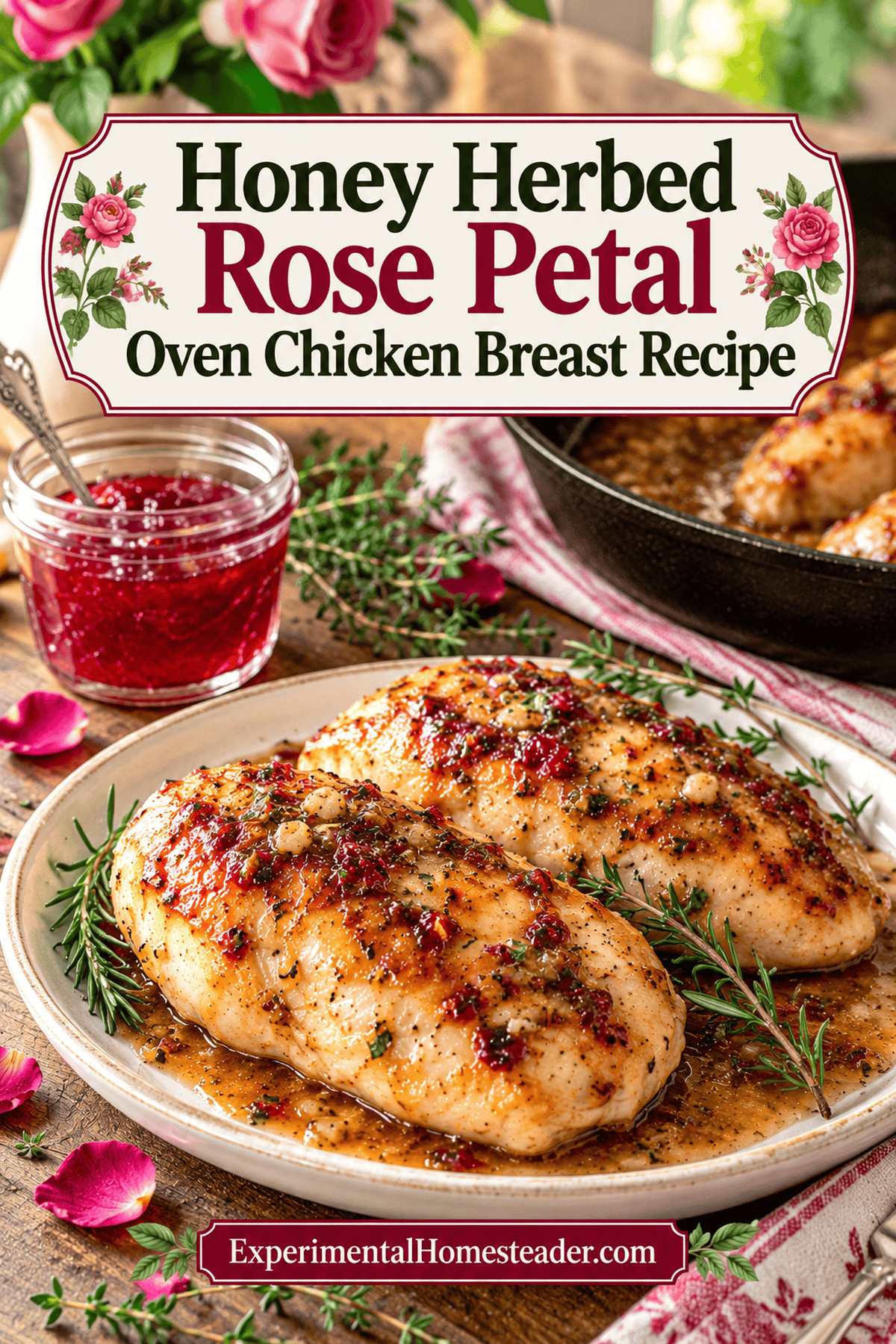
Ingredients and Step-by-Step Cooking Method
Original ingredients from my archived recipe: 2 thawed bone-in chicken breasts; ½ pint homemade rose petal jelly; 2 tablespoons honey; 2 tablespoons olive oil; ¼ cup real butter; 3 teaspoons homemade cinnamon extract; 1 tablespoon garlic powder; ½ tablespoon herbes de Provence; 1 teaspoon freshly ground black pepper; and flour for coating the chicken after baking.
Original cooking method: Place the thawed chicken breasts in an oven-safe pan. Drizzle with olive oil, honey and cinnamon extract, then spoon the rose petal jelly over them. Sprinkle with garlic powder, herbes de Provence and black pepper. Bake uncovered at 350°F for 40 minutes. Melt the butter in a frying pan over medium-high heat. Carefully lift the hot chicken from the oven pan, coat each piece on both sides with flour, and transfer it to the melted butter. Brown both sides, then pour the baking liquid into the frying pan. Reduce the heat to medium and simmer, stirring the sauce and spooning it over the chicken, for approximately 20 minutes. Check the thickest part with a food thermometer and cook until the chicken reaches 165°F. Serve with the thickened pan sauce. My original meal included au gratin potatoes and a fresh garden salad.
This is the oven-first, frying-pan-finished recipe I originally published, not a skillet-only chicken recipe. The rose petal jelly and honey made a noticeably sweet sauce that turned brown as it simmered. Jeffrey enjoyed that sweetness, while I planned to experiment with reducing it in future batches.
Here is the original version I made, with the ingredient amounts preserved so you can try it for yourself. Read through the method first, especially the notes about checking for doneness and adjusting sweetness in a future batch.
Print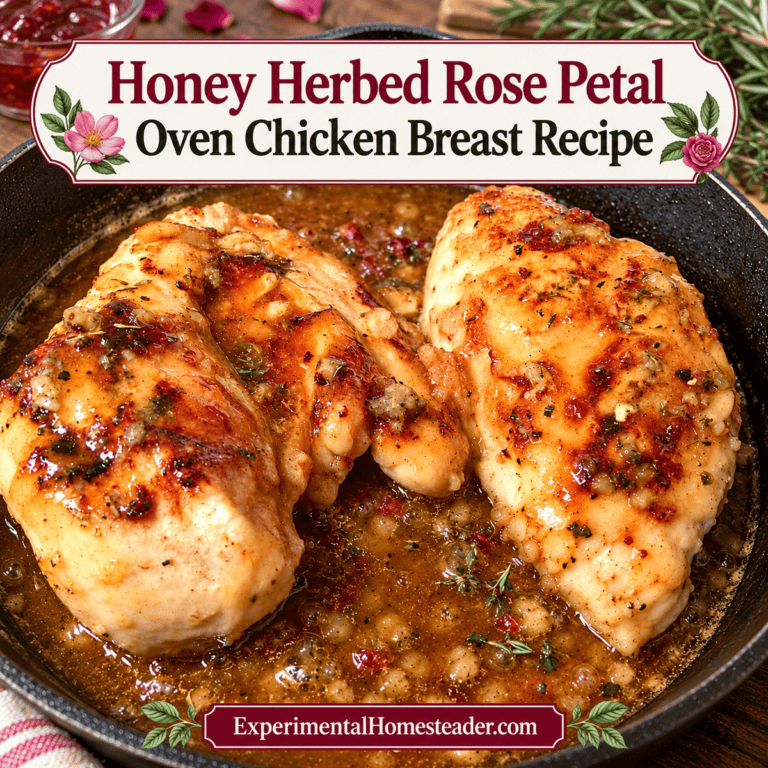
Honey Herbed Rose Petal Oven Chicken Breast Recipe
Bone-in chicken breasts baked with homemade rose petal jelly, honey, cinnamon and herbs, then browned in butter and simmered in the flavorful pan juices.
- Total Time: 1 hour
- Yield: 2 servings 1x
Ingredients
- 2 thawed bone-in chicken breasts
- ½ pint rose petal jelly
- 2 tablespoons honey
- 2 tablespoons olive oil
- ¼ cup real butter
- 3 teaspoons cinnamon extract (made just like the vanilla extract except I used cinnamon sticks)
- 1 Tablespoon garlic powder
- ½ Tablespoon herbes de Provence
- 1 teaspoon fresh ground black pepper
- Flour
Instructions
- Place the chicken breasts in an oven-safe pan. Drizzle the olive oil, honey and cinnamon extract over the top of the chicken, then spoon the rose petal jelly over the top of the chicken.
- Sprinkle the spices evenly on top of the chicken and place - uncovered - in a 350 degree F oven. Bake the chicken for 40 minutes.
- Place the butter in a frying pan and melt it over medium high heat.
- Place a thin layer of the flour in a heat proof dish or bowl.
- Remove the chicken from the oven. Carefully pick up one piece of chicken at a time with a utensil. Lay the chicken in the dish that has the flour in it. You can roll it in the flour or spoon more flour on top. Remember the chicken is hot, so do not touch it with your hands.
- Once the chicken is coated - on both sides - with flour, transfer it into the frying pan with the melted butter.
- Repeat this process until all of the chicken is in the frying pan. Set the pan from the oven aside.
- Set a timer for 20 minutes.
- Brown the chicken on both sides.
- Pour the liquid from the pan that came out of the oven over the top of the chicken.
- Reduce the heat to medium and simmer until the timer goes off. The total cooking time for thawed bone-in chicken breasts was about an hour in my kitchen. Check the thickest part of each breast with a thermometer, and continue cooking until it reaches 165°F.
- Place the chicken on a plate and spoon some of the thick broth over the top.
Equipment
 Buy Now →
Notes
This is the original recipe I made. My oven baked the chicken for 40 minutes at 350°F, followed by browning and about 20 minutes of simmering. Ovens and bone-in breast sizes vary, so use a thermometer and cook until the thickest part reaches 165°F. I found the original version quite sweet, while Jeffrey enjoyed it as made. Reduce the honey in a future batch if you prefer less sweetness.
- Cook Time: 1 hour


Eight Experimental Homesteader recipes, conveniently collected in one downloadable cookbook. Choose how you'd like to get your copy.
The recipes are also available individually on Experimental Homesteader. This PDF brings them together for easy reference.
Serving the Chicken and Its Rose-Scented Pan Sauce
Don't overlook the flavorful liquid left in the pan. The jelly, honey, seasonings and chicken juices come together in the baking pan, and the later flour-and-butter browning step gives the chicken a different finish. After browning the flour-coated chicken, my original recipe pours the baking liquid into the frying pan and simmers everything together for about 20 minutes. That gives the sauce time to cook with the chicken before you spoon it over each serving. Because the liquid has been in contact with raw poultry, it must be thoroughly cooked before serving. If you want a thicker sauce, transfer it to a saucepan and simmer it, stirring frequently, until it reduces. Taste it before adding too much to your plate. A little may be all you want, especially if you prefer a more savory supper.
To balance the floral sweetness, serve this chicken with vegetables that bring their own earthy flavor to the meal. Roasted Brussels sprouts, green beans or carrots are good possibilities, and rice or a baked potato will soak up a little of the sauce. I like the idea of making an unusual main dish feel approachable by putting it alongside familiar food. You don't need a complicated menu to enjoy something different from the garden.
What If the Chicken Is Too Sweet or Too Dry?
I already mentioned that my original version tasted sweeter than I wanted, although Jeffrey liked it just as it was. If you feel the same way I did, try reducing the honey the next time you make it while leaving enough rose petal jelly to keep that distinctive floral flavor. You could also serve less of the pan sauce. Change one thing at a time and make a note of the result, so you'll know which adjustment suits your family.
If the chicken turns out dry, pay attention to thickness and doneness rather than simply shortening the cooking time by guesswork. Use an instant-read thermometer and remove the chicken when its thickest part reaches 165°F. Let it rest briefly before slicing. If the glaze browns too quickly while the center is still undercooked, cover the pan loosely with foil and continue baking. Refrigerate leftovers promptly and reheat them thoroughly to 165°F; a little extra sauce or water and a covered dish can help keep reheated chicken moist.
More Ways to Cook With Edible Flowers
Recipes like this remind me that edible flowers can do much more than decorate a cake or float in a glass of lemonade. Rose petal jelly turns a garden harvest into something you can enjoy long after the roses finish blooming, and pairing it with chicken is one more way to bring that harvest to the dinner table. If you want to explore the idea further, visit my cooking with edible flowers and herbs article and my collection of ways to use edible flowers. The important first step is always to identify your flowers correctly and use only those grown without treatments unsuitable for edible crops.
Frequently Asked Questions
Can I use store-bought rose petal jelly?
Yes, as long as it is a food product intended for eating. Taste it first, because sweetness and floral intensity vary between recipes and brands. You may prefer to reduce the honey in a future batch if the jelly is particularly sweet.
Can I start with frozen chicken breasts?
Thaw them safely in the refrigerator before making this recipe. Starting with thawed chicken makes it easier to season evenly and judge the cooking time. Never thaw raw chicken on the counter.
How can I tell when the chicken is done?
Insert a food thermometer into the thickest part of each breast. Chicken is safely cooked when it reaches 165°F. My original cooking method took about an hour: 40 minutes baking followed by browning and approximately 20 minutes simmering. Timing varies with the size of bone-in chicken breasts and the oven, so always check the internal temperature rather than relying on the clock.
Can I prepare the sauce ahead?
You can measure the jelly, honey and seasonings ahead of time and keep them covered in the refrigerator. Keep the mixture separate from raw poultry until you assemble the dish. If any sauce has touched raw chicken, bring it to a full boil before serving.