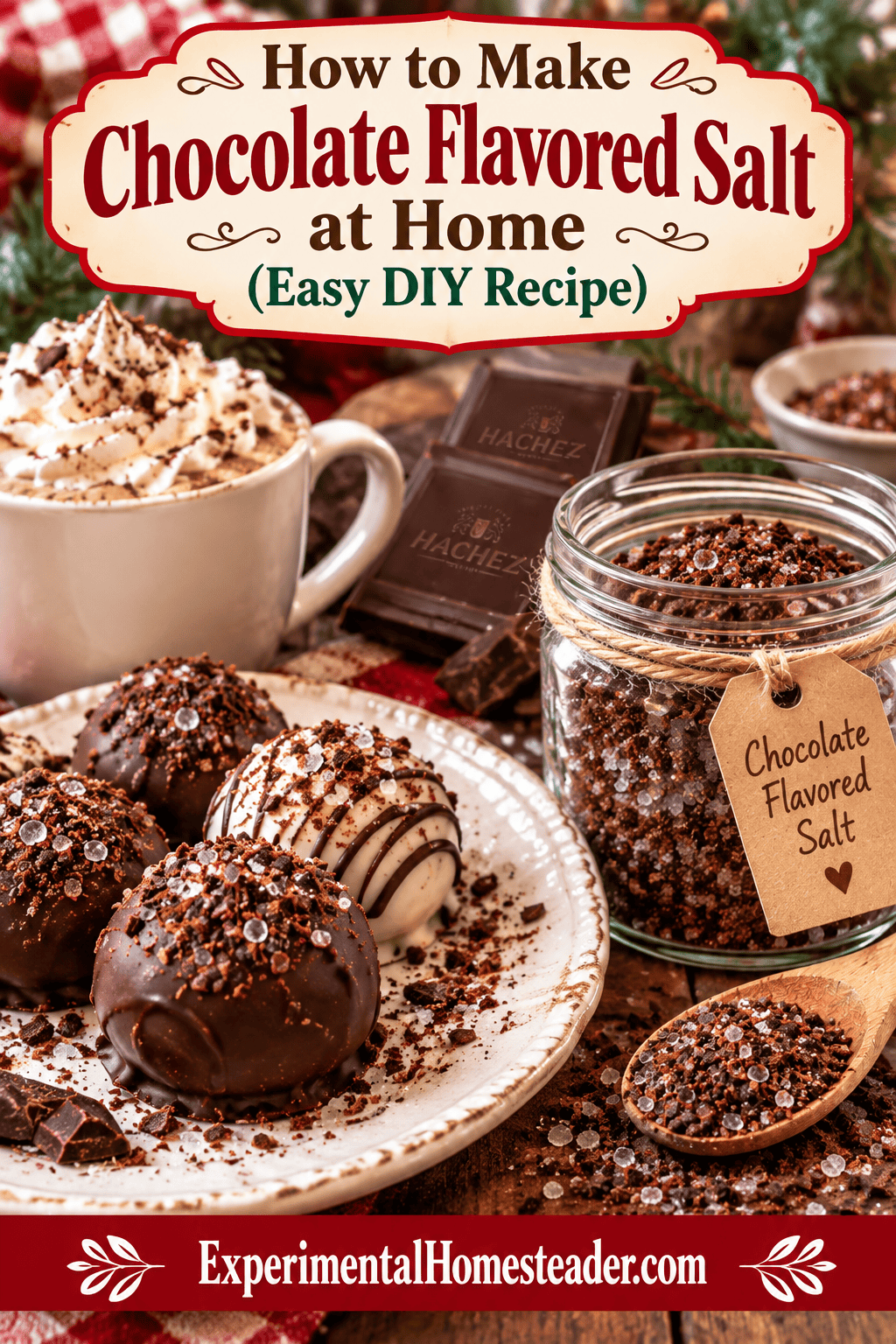
Make Your Own Chocolate Flavored Salt
Imagine slicing into a juicy roast, then adding one tiny pinch of a seasoning that brings out the rich flavor of the meat without making it taste like dessert. Or picture warm brownies with a few grains of chocolate-infused salt on top, making every bite taste even more chocolatey. That is the appeal of homemade chocolate flavored salt: a small amount can add an unexpected layer of flavor to foods you already enjoy.
Chocolate flavored salt is useful in both sweet and savory cooking, but the key is restraint. A small pinch can deepen the flavor of brownies or chocolate desserts, while a light finishing sprinkle can add an interesting contrast to roasted meat. It is a seasoning to experiment with, not a substitute for the salt a recipe needs during cooking.
Making a small batch at home also gives you control over the chocolate flavor and how you use it. Start with a little, taste the finished dish, and add more only if it improves the balance. If you plan to give some as a gift, label the ingredients and keep the mixture dry in a clean, tightly closed container. If the chocolate side of this recipe interests you, I also share my experience growing Theobroma cacao on Exotic Gardening. It is a look at where chocolate begins, rather than another recipe for using it.
In This Article
What Makes Homemade Chocolate Salt Different?
If you have ever wondered where chocolate begins, visit my Growing Cacao and Chocolate Gardening hub on Exotic Gardening. I share my experiences growing cacao trees in Indiana, starting cacao seeds, and learning about the tropical plant behind chocolate. You do not need to grow your own cacao to make this seasoning, but it is fascinating to see where that familiar flavor comes from.
Chocolate and salt may sound like an unusual combination for a homemade seasoning, especially when the finished mixture is going on supper instead of dessert. The important difference is that this is not a sweet chocolate topping. Cocoa brings an earthy, slightly bitter flavor, while the salt sharpens the flavors already in the food. The ground chocolate bar adds another layer of flavor, which is why the particular bar you choose matters. I used strawberry-pepper dark chocolate in my original batch, so that choice contributes its own flavor to the finished blend.
Think about the way a pinch of salt makes a homemade brownie taste richer, or how a little cocoa can add depth to a savory seasoning. Chocolate salt brings those ideas together, but it is easy to use too much. I recommend testing it on one bite or one serving before adding it to an entire roast, tray of vegetables, or batch of dessert. That gives you a chance to decide whether the chocolate complements the food without risking the whole dish.
How to Use Chocolate Flavored Salt on Meat, Vegetables and Desserts
Chocolate salt is a finishing seasoning, not a substitute for all the salt in a recipe. Begin with a tiny pinch on one serving, taste, and only then decide whether to add more. The original recipe uses both cocoa powder and a ground dark chocolate bar, so its flavor and texture are different from plain sea salt. Because it contains chocolate, I prefer adding it after cooking rather than exposing it to prolonged high heat.
On beef: Slice a cooked steak or roast and sprinkle a very small pinch over one slice just before serving. Taste that slice before seasoning the rest. The cocoa adds a deeper, earthy note that pairs with browned beef, especially when there is a savory sauce or gravy.
On roasted vegetables: Try a pinch on a serving of roasted carrots or sweet potatoes after they come out of the oven. Their natural sweetness provides a useful contrast to the cocoa and salt.
On brownies: When the brownies are baked and still slightly warm, add a few grains to one square. The salt sharpens the chocolate flavor. Do not sprinkle heavily, since the mixture contains considerably more salt than cocoa.
On ice cream: Start with just a few grains over a scoop of vanilla or chocolate ice cream. It adds a salty, cocoa-rich contrast without requiring a separate sauce.
On strawberries: Dip a fresh strawberry into a few grains on a small plate, or add a tiny pinch to a bowl of sliced berries. Taste before serving a larger batch.
On a hot drink: For a mug of hot cocoa, use a tiny pinch stirred into the drink or on top of whipped cream. This is a salty accent, not a sweet cocoa mix.
Why Make Chocolate Salt Instead of Buying Another Seasoning?
Making it yourself lets you choose the chocolate, cocoa and salt, adjust the smoky flavor, and make a small batch for the dishes you actually cook. It is also a way to turn a few pantry ingredients into a thoughtful kitchen gift. The homesteading advantage is not that you need an enormous supply; it is that you can make something distinctive from ingredients already on hand and know exactly what went into the jar.
Savory Applications
Chocolate salt is especially interesting on savory dishes because the cocoa can reinforce browned, roasted flavors without turning the food into dessert. For a first experiment, use a cooked beef roast or steak that you have already seasoned normally. Cut one bite, add only a few grains of the chocolate salt and taste it beside an unseasoned bite. If the flavor is pleasant, finish the rest of your serving lightly. Do not put the whole batch on a roast before you know whether you like the combination.
Chocolate has a long history in savory cooking, including some mole sauces, but this homemade salt is not a mole seasoning and will not reproduce the layered flavors of a sauce. Here the effect is much simpler: a touch of cocoa, chocolate and salt on the surface of already-cooked food. That distinction matters when you are deciding where to use it. Start with roast beef, pork or a naturally sweet roasted vegetable, and add it at the table where you can control the amount.
Sweet Treats
For desserts, the easiest way to learn how this blend tastes is to start with something that already contains chocolate. Sprinkle a few grains on one warm brownie, taste, then decide whether the rest of the pan would benefit. The salt can make chocolate taste more pronounced, but a heavy hand will overwhelm the sweetness. You can try the same approach with a scoop of vanilla ice cream, chocolate pudding or sliced strawberries. Keep the jar at the table so everyone can add their own amount instead of seasoning the entire dessert.
Practical Tips for Using Chocolate Salt
- Start Small: Like any seasoning, less is more when you're first trying it out. You can always add more if needed.
- Experiment: Try it on everything from avocado toast to roasted vegetables. You might discover a new favorite pairing.
- Storage: Keep your chocolate salt in an airtight container to preserve its flavor and prevent clumping.
Making Chocolate Salt Your Own
For a variation, make the original recipe once before changing the proportions. That gives you a baseline for the balance between the cocoa, ground chocolate and two salts. On a later small batch, you can test a slightly different dark chocolate bar or add a very small amount of cinnamon to a separate portion. Keep notes on the ingredients used so you can reproduce a version you like, and remember that changing the amount or type of salt changes both flavor and texture.
The printable Tasty Recipes card below contains my original ingredient measurements and the preparation steps. Read the drying and storage notes before making a large batch, particularly if your chocolate is soft or your kitchen is humid. Chocolate that clumps during grinding needs a different approach from dry cocoa powder, and the finished mixture should be completely cool and dry before it goes into a jar.
Print
Make Your Own Chocolate Flavored Salt
Homemade chocolate flavored salt made with dark chocolate, cocoa powder and sea salt, including optional smoky black flake salt. Use a tiny pinch to finish meats, brownies, fruit or ice cream.
- Total Time: 15 minutes
- Yield: 1 ½ cups 1x
Ingredients
- Dark chocolate candy bar* - 6 squares
- ½ cup black flake salt
- ½ cup cocoa powder
- ½ cup sea salt
Instructions
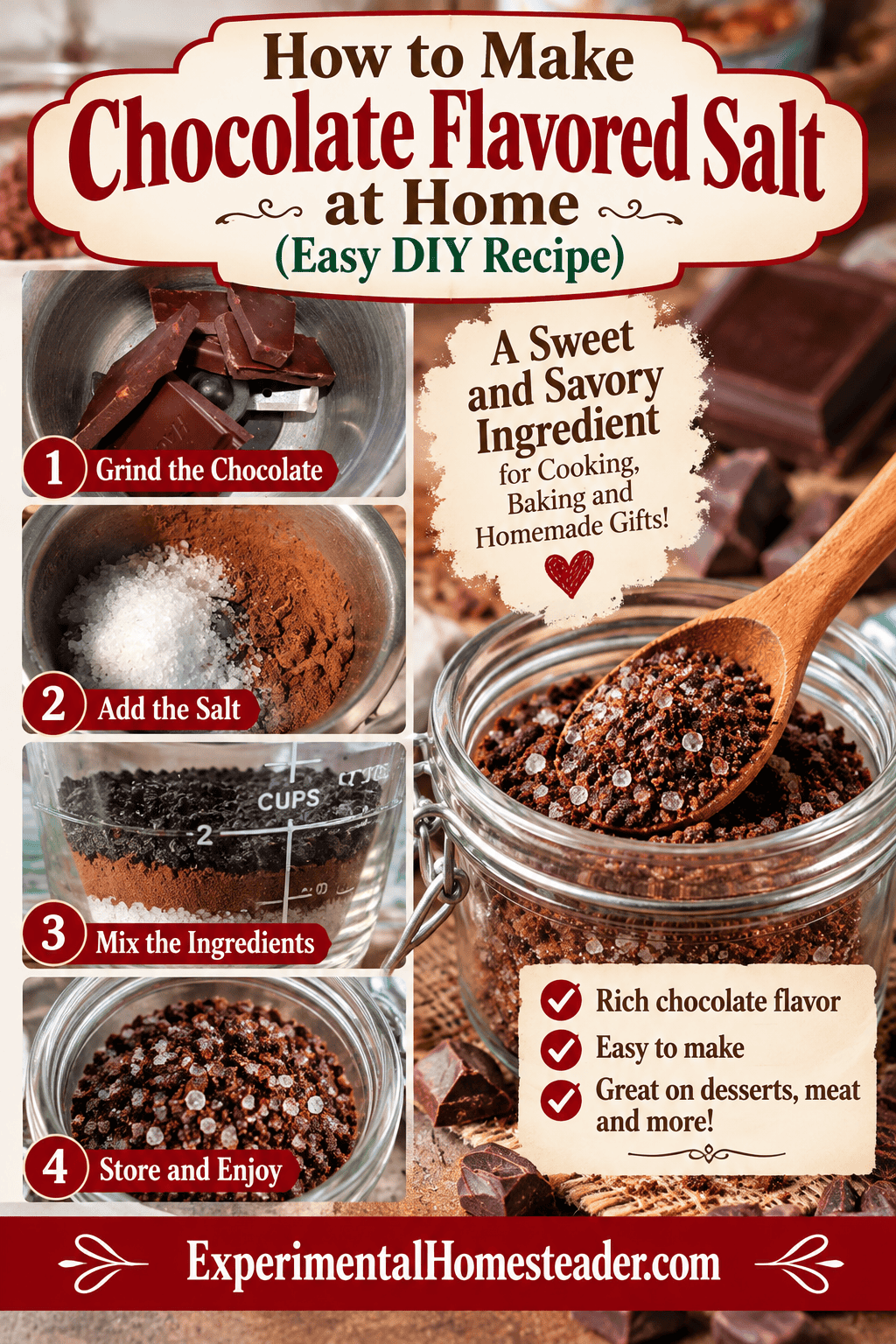
- Choose a dark chocolate bar. For my original batch I used a strawberry-pepper dark chocolate. Break off six squares and chop them into small pieces.
- Grind the chocolate in short pulses. If it begins to stick together, add a little of the measured sea salt to help separate the pieces. Stop and scrape the grinder as needed.
- Measure ½ cup black flake salt, ½ cup cocoa powder and ½ cup sea salt. The black salt was chosen for a smoky note; substitute another food-grade salt if you do not want that flavor.
- Combine the ground chocolate, cocoa powder and both salts in a blender or food processor. Pulse briefly until the ingredients are distributed evenly. Do not process into a paste.
- Spread the mixture in a thin layer on a dehydrator tray or baking sheet. If the mixture feels damp or sticky, use a low-temperature drying method suitable for chocolate and watch it closely so the chocolate does not melt. Drying time varies with humidity and equipment.
- Allow the mixture to cool completely. Check that it is dry and free-flowing before putting it into a clean, dry jar. If it remains sticky or damp, do not store it as a shelf-stable seasoning.
- Seal the jar, label it with the ingredients and date, and keep it in a cool, dark, dry place. Start with just a few grains as a finishing seasoning.
Equipment
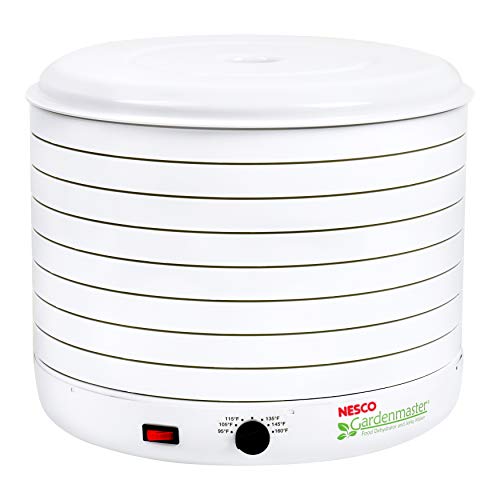
Nesco Gardenmaster Pro Food Dehydrator
Buy Now →
dehydrator sheets for the racks
Buy Now →Notes
- I used Hachez Cocoa D Arriba Strawberry-Pepper dark chocolate in my original version.
- Use the chocolate salt sparingly as a finishing seasoning. Start with a few grains on one serving and taste before adding more.
- The ground candy bar contains ingredients beyond cocoa and salt. Label jars with the exact chocolate and other ingredients used, especially when gifting.
- Keep the mixture tightly covered in a cool, dry place. Because it includes ground chocolate, make small batches and discard it if it develops off odors, moisture or signs of spoilage.
- Optional drying, only if needed: 2 to 6 hours
- Category: Homemade Spice Blends, Seasoning
- Method: Dehydrating, Grinding, Mixing
- Cuisine: Gourmet
Nutrition
- Serving Size: A small pinch, to taste


Storing, Sharing and Serving Chocolate Salt
What makes this seasoning useful is not that it belongs on everything. It is that a small jar gives you another way to finish familiar foods when you want something different. A roasted piece of meat, a tray of carrots and a homemade brownie each respond differently to the cocoa and salt. Test one serving at a time, compare it with the original, and keep the combinations that genuinely improve your meal. That is a much better use of a homemade specialty seasoning than making a large jar and hoping to find a purpose for it later.
Chocolate salt is best made in small batches that you can use while the chocolate is fresh. Keep it in a clean, dry, tightly closed container in a cool place, and discard it if moisture, off odors, or other signs of spoilage develop. If you give it as a gift, include the ingredients and a note to use it promptly rather than treating it as a shelf-stable, long-term pantry staple.
If you make a batch, I would love to hear which foods you tried it on and whether you preferred the savory or sweet combinations. That kind of practical feedback is especially helpful when working with an unusual homemade seasoning, because the type of chocolate and salt you choose can make each batch taste a little different.
Making Chocolate Salt Without Clumps or Melted Chocolate
The biggest challenge with this seasoning is the difference between grinding a dry spice and grinding a chocolate bar. Cocoa powder and salt stay relatively loose, but chopped chocolate contains cocoa butter and may soften from the heat of a grinder or food processor. Start with a firm chocolate bar and chop it into small pieces before pulsing. Use short bursts instead of letting the motor run continuously. If the chocolate begins to smear against the sides, stop, scrape the bowl and allow everything to cool before continuing. Adding a little of the measured salt can help keep the pieces separated, but it cannot rescue chocolate that has already melted into a paste.
Measure the ingredients before you begin. The original recipe calls for six squares of dark chocolate, half a cup of black flake salt, half a cup of cocoa powder and half a cup of sea salt. Because chocolate bars differ in square size and flavor, six squares from one bar may not taste exactly like six squares from another. Choose a bar you enjoy eating, and remember that a strawberry-pepper bar will produce a different seasoning from plain dark chocolate. The black flake salt contributes its own character; if you substitute a different food-grade salt, expect the texture and flavor to change.
Once the chocolate has been ground, combine it with the cocoa and both salts, then pulse only long enough to distribute everything. You are aiming for a mixture with small, separate particles, not chocolate dough. Spread a spoonful on a plate and look closely. If the grains are loose and the mixture is cool and dry, you can proceed with the storage instructions in the recipe card. If it feels sticky, do not seal it in a jar and assume the problem will go away. The recipe includes an optional low-temperature drying step, but chocolate can melt when heated, so watch it carefully and do not treat a sticky mixture as shelf-stable simply because it spent time in a dehydrator.
Troubleshooting Homemade Chocolate Flavored Salt
If the mixture clumps, first determine whether the problem is soft chocolate, moisture or simply a few large pieces that were not ground finely enough. Large, dry pieces can be pulsed briefly again. Soft or greasy clumps are a sign to stop processing and cool the ingredients. If the mixture is damp or develops condensation, do not package it as a dry pantry seasoning. Begin with dry equipment and utensils, and never introduce water while grinding or mixing.
If the finished salt tastes too salty, remember that the original formula includes a full cup of salt between the two varieties. It is intended as a finishing seasoning, not something to spoon generously into a pan. Try just a few grains on a single serving. If the cocoa tastes too bitter, the food you pair it with can make a difference: chocolate desserts, strawberries and sweet roasted vegetables provide sweetness that balances cocoa more readily than a plain boiled vegetable. If the chocolate flavor seems weak, taste the seasoning on a simple food before changing the recipe. The salt can dominate when too much is used, even though more seasoning might seem like the answer.
For gifts, choose a small clean jar and include the full ingredient list, especially the type of chocolate bar used. A candy bar may contain milk, nuts or other allergens, and its ingredients are not interchangeable with pure cocoa powder. Label the date and include a suggestion such as "Start with a few grains on brownies or roasted beef." Keep the jar tightly closed in a cool, dry place, use small batches while fresh, and discard any mixture that develops moisture, unusual odors or visible spoilage. This is a homemade chocolate-containing blend, not a tested long-term food-preservation method.
FAQs About Chocolate Salt
What is chocolate salt, and how is it made?
In this recipe, chocolate salt is made from ground dark chocolate, cocoa powder, black flake salt and sea salt. The ground chocolate bar distinguishes it from a plain cocoa-and-salt blend. Grind the chocolate in short pulses, mix the ingredients evenly and keep the finished blend cool and dry. The complete original quantities and method are in the Tasty Recipes card above.
What foods pair well with chocolate salt?
Roast beef, pork, roasted carrots, sweet potatoes, brownies, ice cream and strawberries are good starting points. The best approach is to season just one bite or serving, compare it with the unseasoned food and add more only if the flavor improves. Because the mixture is salt-heavy, it is better as a finishing touch than as a substitute for all the salt in a recipe.
How should I store chocolate salt?
Make sure the mixture is completely cool and dry before placing it in a clean, tightly closed jar. Keep it away from heat and moisture, make modest batches and use them while the chocolate is fresh. Ground candy-bar chocolate is not the same as plain dry salt, so do not assume it will remain suitable for long-term pantry storage. Discard the mixture if it becomes damp, develops unusual odors or shows any signs of spoilage.
Can I customize chocolate salt with other flavors?
Yes, but try the original blend first so you know what you are changing. A small amount of cinnamon or a different dark chocolate bar can shift the flavor noticeably. Mix experimental additions into a small portion rather than the whole jar. Record which chocolate and salt you used, since changes in their flavor and grain size affect the result as much as added spices do.
Can I give homemade chocolate salt as a gift?
A small jar can make a thoughtful kitchen gift when it is labeled properly. Include the complete ingredients from the specific chocolate bar, especially possible allergens, the date made and simple instructions to use just a few grains on a finished dish. Do not promise a long shelf life for a homemade blend containing ground chocolate, and never package a mixture that is sticky or damp.
Can I use chocolate salt in drinks?
You can experiment with a few grains on top of whipped cream or stirred into a mug of hot cocoa. If you want to use it on the rim of a glass, coat only part of the rim first so the drink does not become overwhelmingly salty. Because this mixture includes ground chocolate as well as salt, it may not dissolve evenly and is not a replacement for cocoa powder or chocolate syrup.
Questions About Using Chocolate Bars
Can I use ground candy bars to make chocolate salt?
Yes. My original version used a strawberry-pepper dark chocolate bar, which gave the mixture flavor beyond cocoa and salt. Choose a firm dark chocolate you enjoy, chop it into small pieces and grind it using short pulses so the cocoa butter does not soften into a paste. Avoid bars with soft fillings, and check the ingredient label for allergens when sharing the finished seasoning.
Should I change the salt ratio when using a different chocolate bar?
Make the original formula first so you can judge how it tastes with your chosen chocolate. Different bars vary in sweetness, cocoa content and square size, so a substitution may change the balance even when you use six squares. If you want to adjust the salt, experiment with a small separate portion instead of altering the entire batch. Remember that the recipe uses two kinds of salt, and changing either one will also change the texture.
Which chocolate bars work best?
A firm, solid dark chocolate bar is a sensible starting point because it is easier to chop and pulse than a bar with a soft filling. My original strawberry-pepper dark chocolate added another flavor dimension, but plain dark chocolate works for a more straightforward cocoa taste. Read the ingredients carefully, especially if you are making a gift, and avoid bars with caramel, cream or other fillings that could turn the mixture sticky.
Does chocolate-bar salt need special storage?
Because the recipe contains ground chocolate rather than just dry cocoa powder, use a clean, completely dry container and keep it closed in a cool place. Do not put warm or sticky chocolate mixture into a jar. Make modest batches, check for changes in texture or smell and discard the blend if it becomes damp or shows signs of spoilage. This is not a tested preservation recipe, so I would not recommend preparing it years in advance for pantry storage.
Can I add other spices to the chocolate salt?
Yes, but make a small test portion first. Cinnamon can move the blend toward desserts, while a little espresso powder can emphasize the cocoa flavor. A spicy chocolate bar may already provide enough heat without adding another spice. Use dry ingredients only, mix them thoroughly and taste on a small serving of food before committing the rest of the jar to a new flavor.
Can I package chocolate-bar salt for gifts?
Yes, provided the finished blend is cool, dry and properly labeled. Use small jars and list every ingredient, including the ingredients and allergens in the chocolate bar itself. Add the preparation date and a serving suggestion, such as a few grains on brownies or roasted beef. Because this recipe contains ground chocolate, do not market it as a shelf-stable preserved product or promise an extended storage life.