Silicone Grill Gloves: My Long-Term Review for Small Hands
Disclaimer: I received this item for free or at a reduced price in exchange for my honest, unbiased review. All opinions are my own. This post has been updated after years of use so I can give you a more complete picture of what I liked, what I still use these gloves for, and where they do not work well for me.
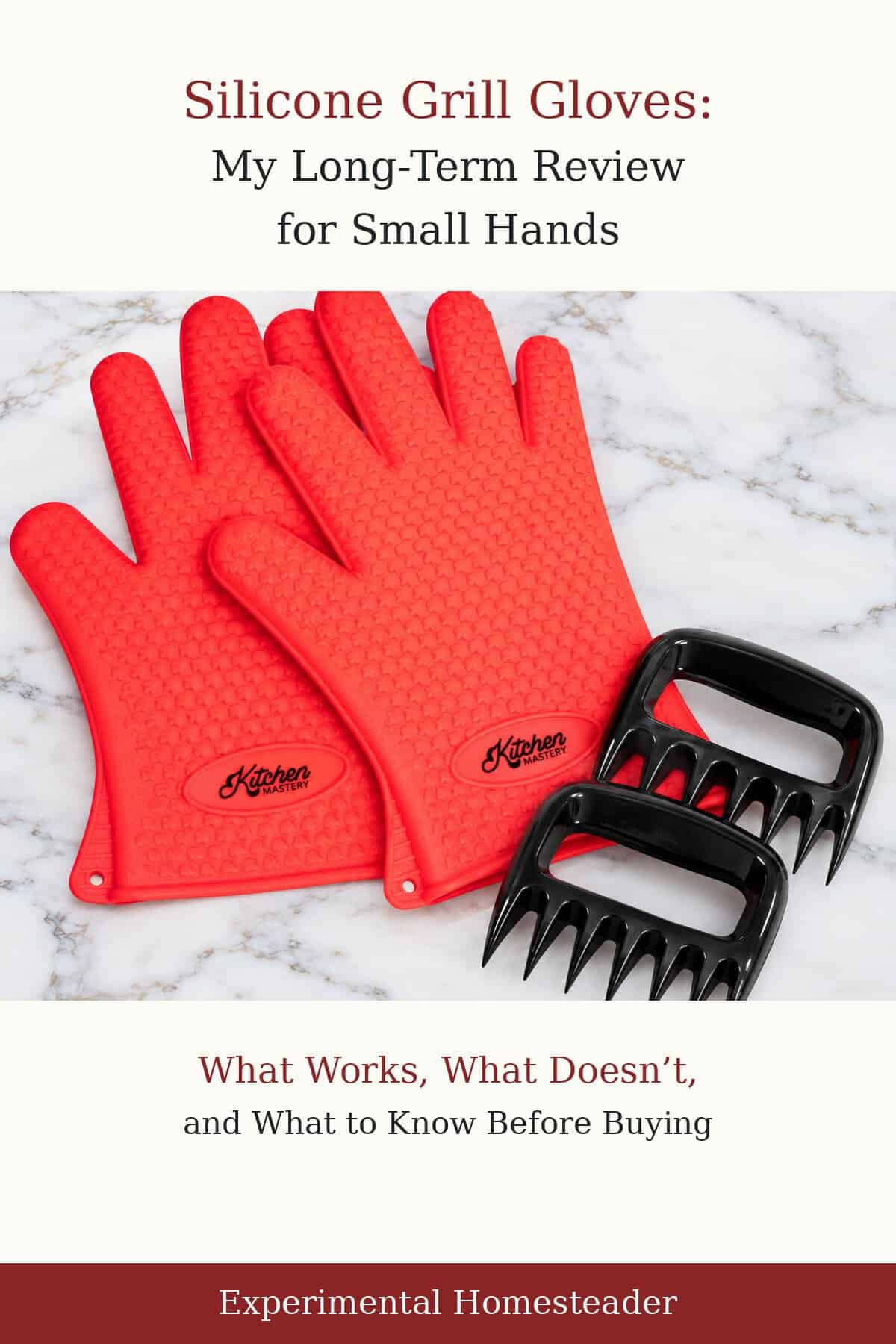
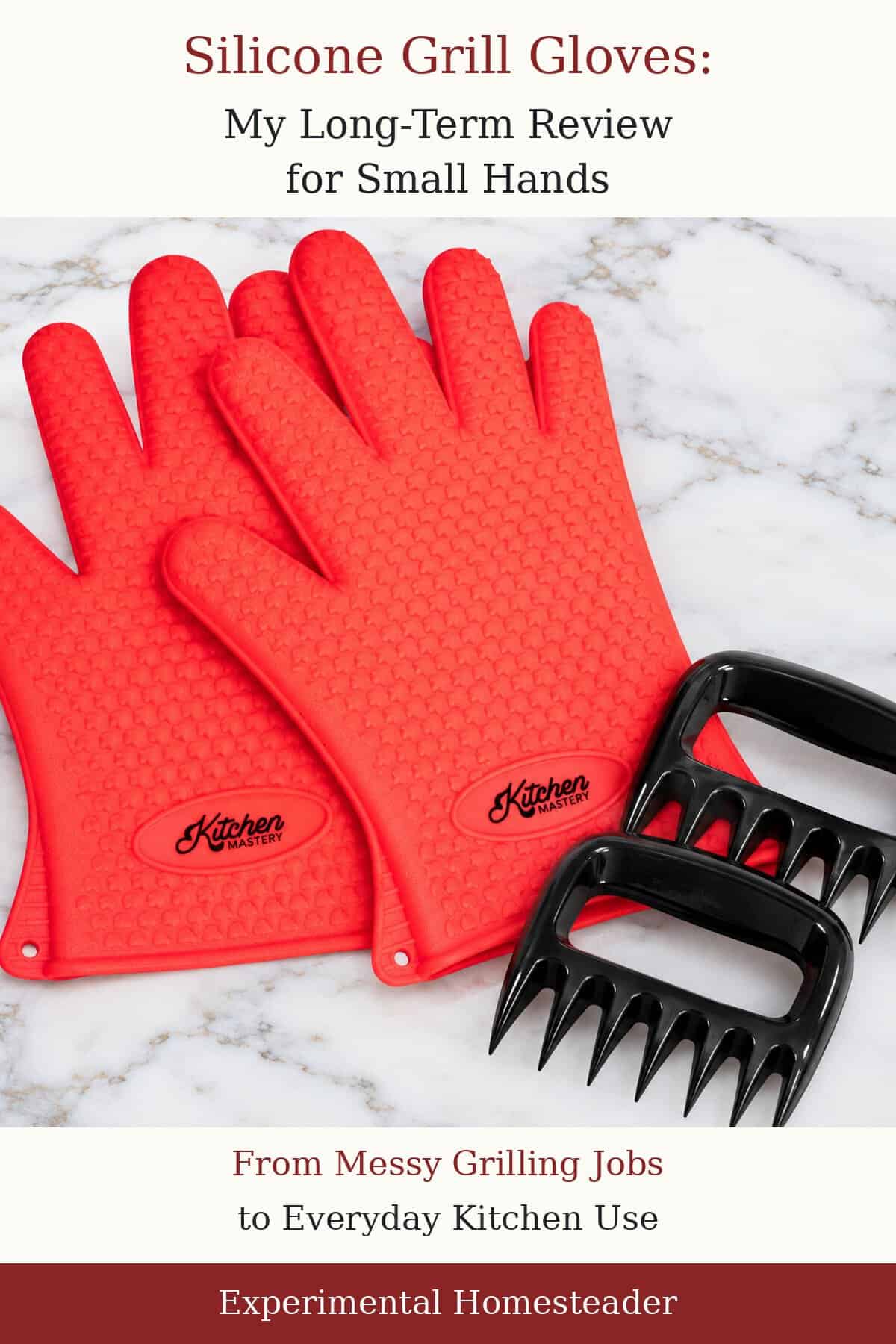
Some kitchen tools make such a good first impression that you wonder how you ever managed without them. That was exactly how I felt when I first tried the Kitchen Mastery Silicone Grill Gloves. I loved the idea of reaching for something hot or messy without sacrificing a perfectly good oven mitt, and those bright red gloves quickly seemed like a handy addition to my kitchen. But a product can be wonderful when you first open the package and tell a very different story after years of actually using it.
That is what makes this review a little different from my original one. I have had plenty of time to discover where these gloves earn their place, where I reach for something else, and why having small hands changes the experience more than you might expect. I still use them for certain messy grilling jobs, but I would not choose them for every hot pan or piece of cookware. If you have ever bought a kitchen gadget that looked perfect until you tried to use it in the middle of cooking, you will understand why fit and control matter just as much as the promise on the package.
After several years of using these gloves, my opinion has changed. I still find them useful for some kitchen jobs, but their loose fit makes it harder for me to get a secure grip on hot cookware.
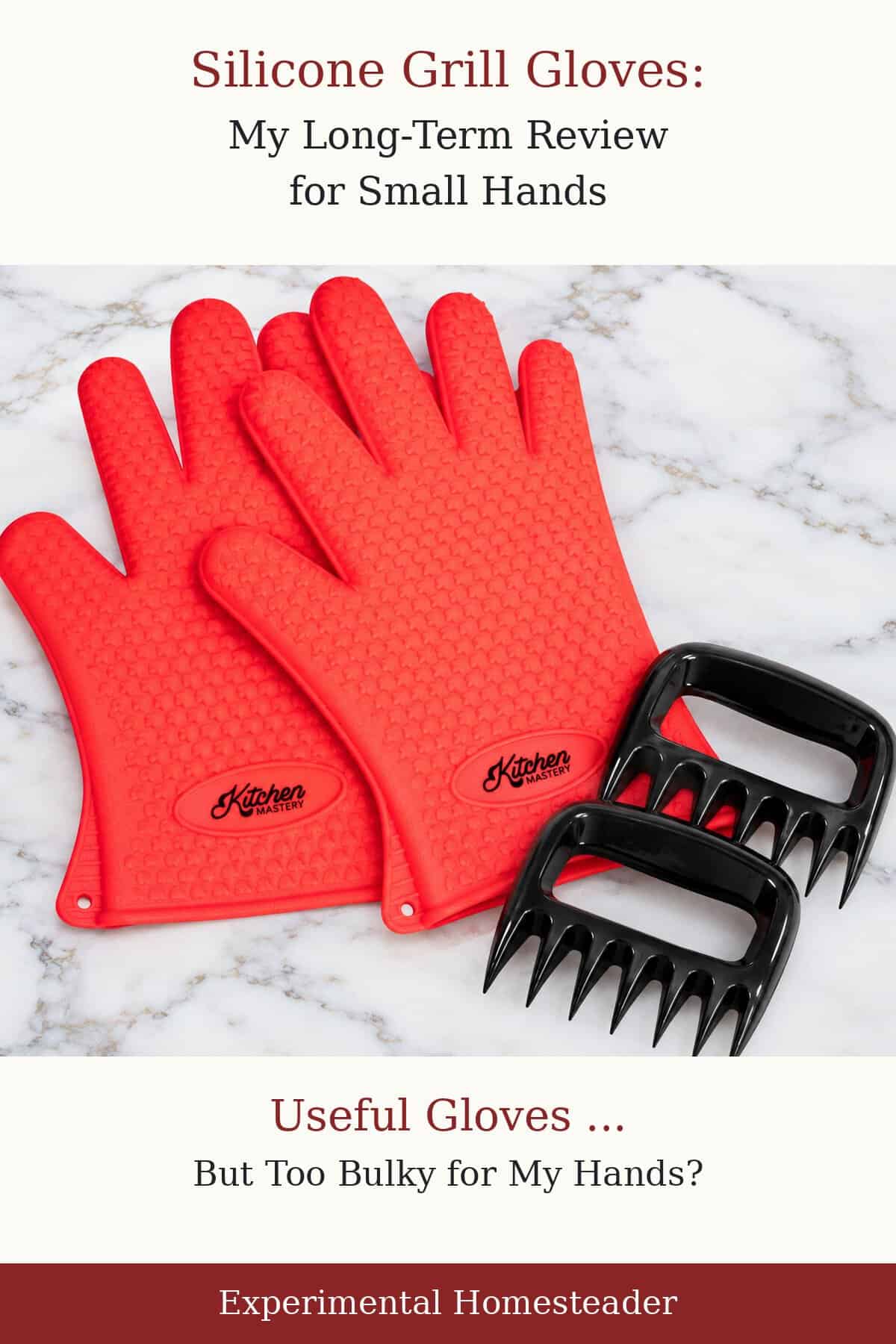
The biggest issue for me is simple: they are bulky, and I have small hands. That affects how securely I can grip certain things, which matters a great deal when the thing I am holding is hot.
So these are not my all-purpose heat gloves. They are a specialty tool that I use when the job fits the glove.
In This Article
My Long-Term Experience With Silicone Grill Gloves
The original review was written when these gloves were new, and at the time I loved the protection they gave me from heat and messy food. I even wrote that I would not want to be without them.
Years later, I still see why I liked them so much. They are washable, they can handle jobs that would quickly make a fabric mitt greasy or sticky, and the silicone surface gives you some grip when handling food.
What I did not appreciate as much at first was how much the fit matters.
My hands are small. These gloves are large enough and thick enough that I lose some dexterity when I wear them. That is not a minor annoyance when I am handling something heavy or hot. If I cannot wrap my fingers around an object naturally, I do not feel as secure.
That is why I no longer think of them as a replacement for every pot holder or oven mitt in my kitchen.
When I compare those first impressions with how I actually use the gloves now, the difference comes down to the job in front of me. Handling a slippery roast and lifting a heavy cast iron pan may both involve heat, but they demand very different kinds of control. The silicone surface is easy to clean after touching food, which is a real advantage when sauce or meat juices are involved. A heavy pan, on the other hand, demands a dependable grip on its handle. With extra room around my fingers, I cannot get the same confident hold I want when moving something that could spill or burn me.
That is why I think the most useful question is not simply whether a pair of silicone gloves resists heat. I want to know whether I can close my fingers comfortably, whether the object feels stable in my hands, and whether I can set it down without fumbling. The fit of a glove becomes part of its practical performance. I would rather change tools before lifting a pan than discover halfway through that I cannot hold it securely.
The Original Video Also Features Meat Shredders
When I revisited my original video for this review, I was reminded that I showed more than the Kitchen Mastery silicone grill gloves. The video also includes a pair of meat shredders, the claw-shaped kitchen tools used to pull cooked meat apart. It is worth keeping that original demonstration with the article because it shows the gloves as I presented them at the time and gives readers a closer look at the additional tool.
Meat shredders and heat-resistant gloves serve different purposes, even though they may come out during the same cooking session. The shredders are intended to separate tender cooked meat into smaller pieces, while the gloves are intended to help protect your hands during appropriate hot-food handling. For a roast or other large piece of cooked meat, the practical question is whether you need to move the food, hold it steady, or pull it apart. Choosing the right tool for each step can make the job less awkward. The video documents the products together, but my detailed long-term conclusions in this article are about the fit and usefulness of the gloves.
Where These Silicone Gloves Work Well for Me
There are still several jobs where I genuinely like them.
Grilling and Retrieving Hot Food
Grilling is where these gloves make the most sense for me, especially when I need to handle messy food without getting a fabric oven mitt greasy.
If something falls onto a hot grill mat or I need to move a hot piece of food quickly, the gloves give me more protection than bare hands and let me use my whole hand instead of trying to maneuver tongs around something awkward.
I originally dropped a silicone baster onto a hot grill mat and was able to retrieve it while wearing these gloves without burning myself. That was one of the experiences that made me so enthusiastic about them in the first place.
They can also be useful when dealing with larger foods that are difficult to hold with a utensil, especially when the food is slippery, tender, or likely to fall apart.
Handling Hot Food That May Fall Apart
I have used them to reposition a cooked roast when I needed more control than a fork or pair of tongs gave me.
That is one place where a washable silicone glove has an advantage over a regular oven mitt. If the glove gets covered in meat juices or sauce, it can be washed off instead of absorbing the mess.
Of course, I still treat hot foods carefully and use utensils whenever they give me better control. The glove is useful because it gives me another option, not because it makes heat harmless.
Some Isomalt Work
I've found these gloves useful for picking up and moving larger chunks of isomalt, but they are too bulky for intricate sugar work. When I'm positioning smaller pieces or making delicate adjustments, I need more control over my fingers than these gloves allow. For moving a larger piece, though, that bulk is less of an obstacle.
Because isomalt can reach very high temperatures, I still pay attention to the gloves' heat rating and avoid treating them as protection for handling molten sugar. Their usefulness here is limited to moving larger pieces when the temperature and handling conditions are appropriate, not detailed shaping or prolonged contact with hot isomalt.
Where I Do Not Like Using Them
This is where my opinion has changed the most with time.
I Do Not Use Them With Cast Iron
I cook with cast iron regularly, but these are not the gloves I reach for when I am moving a hot cast iron skillet or Dutch oven.
Cast iron is heavy before you add food. Once the pan is loaded, I want the most secure grip possible. The bulkiness of these gloves makes me less comfortable handling that kind of weight.
For me, a heat glove that makes it harder to grasp the handle is not the safest choice just because the material itself is heat resistant.
That distinction is important. Heat protection and grip are both part of kitchen safety.
Removing Pans From the Oven Can Be Awkward
I have used the gloves to take baking pans out of the oven, and they do work for that. But again, the bulk is the problem for me.
With my small hands inside a large silicone glove, it can be awkward to get a firm hold on the edges or handles of some pans. I would much rather use a tool that fits my hands well than struggle to hold a hot pan securely.
I have a vague memory of the gloves eventually feeling warm during some uses, but I do not remember that clearly enough to state it as a definite problem with this particular pair. What I do remember clearly is that the bulkiness made some oven tasks feel awkward, and that alone is enough for me to choose something else for those jobs.
Small Hands Change the Equation
One-size-fits-most kitchen gear does not always fit everyone well.
If you have larger hands, you may have a completely different experience with this style of silicone glove. Someone whose fingers reach farther into the glove may be able to grip a pan or utensil much more naturally.
For someone with small hands, extra space inside the fingers of the glove can make precise movement harder. Thick silicone also reduces the amount of feedback you get from whatever you are holding.
That does not make the product bad. It makes fit something I would consider before buying.
If possible, I would look for silicone heat gloves that come in actual sizes rather than assuming a large universal glove will work for everyone.
Silicone Grill Gloves Versus Oven Mitts
I do not think silicone grill gloves completely replace oven mitts because the best choice depends on what you are handling and how securely each tool fits your hands.
A silicone glove has some definite advantages:
- It can be washed when it gets greasy, sticky, or covered with food.
- It can provide a better grip on some slippery foods.
- It lets you move your fingers independently instead of putting your whole hand into a traditional mitt.
- It works well for outdoor grilling where fabric mitts can quickly become dirty.
- It can be useful when you need to briefly handle a hot food directly.
But a well-fitting oven mitt or pot holder can be better when:
- You are lifting a heavy pan.
- You need a secure hold on a cast iron handle.
- The silicone glove is too large for your hands.
- You need to grip a narrow pan edge or small handle.
- You need more flexibility and less bulk.
I keep different heat-protection tools because different jobs call for different things.
What I Would Look for If I Bought Silicone Heat Gloves Today
My priorities would be a little different now than they were when I first reviewed these.
Actual Sizing
This would be number one for me. I would look for a small size rather than accepting an oversized glove because it happens to be the standard option.
Good Finger Flexibility
I want enough thickness for protection without feeling as though I am trying to cook while wearing giant rubber hands.
A Secure Gripping Surface
Texture can be very useful for grilling and handling food, but I would also think about whether that texture matters for tasks such as sugar work where it might leave marks.
A Clear Temperature Rating
I would always follow the manufacturer's stated temperature limits rather than assuming all silicone gloves provide the same protection.
I would also remember that heat resistance is not unlimited. The hotter the object and the longer you hold it, the more important it becomes to use caution.
Enough Cuff Length for Grilling
A longer cuff can help protect the wrist and lower forearm when reaching near a grill or oven, as long as it does not make the glove even more cumbersome.
A Practical Fit Check Before You Buy
If I were shopping for another pair, I would start with the hand measurements and sizing information rather than the boldest heat-resistance claim on the package. I would look for enough room to move my fingers without leaving so much empty space that the fingertips fold or bunch when I grasp something. I would also check whether the cuff allows comfortable movement at the wrist and whether the glove feels manageable when I make a fist. A glove can look substantial and protective in a photograph yet still be awkward when it is time to pick something up.
I would pay attention to how the manufacturer describes temperature limits, contact time, cleaning, and whether the gloves are intended for direct food handling. Those details are not interchangeable between brands or styles. Even with heat-resistant gloves, I would keep my hands away from open flames and heating elements, avoid prolonged contact with very hot surfaces, and switch to a better-fitting mitt or tool whenever the grip feels uncertain. My experience with these Kitchen Mastery gloves taught me that comfortable control matters just as much as the material.
Would I Recommend Kitchen Mastery Silicone Grill Gloves?
I would not give them the wildly enthusiastic endorsement I gave them when they were brand new, but I also would not call them a bad product.
I still use them, and that matters when I think about whether they have earned a place in my kitchen.
I like them for grilling, for grabbing hot food that might otherwise slip or fall apart, and for some messy jobs where a washable silicone surface is convenient. When I work with isomalt, I can use them to pick up and move larger chunks, but they are too bulky for intricate sugar work.
But I do not use them with cast iron, and I do not especially like them for removing pans from the oven because the bulkiness makes them awkward on my small hands.
If you have larger hands, you may find them much easier to control than I do. If your hands are small like mine, I would pay close attention to sizing before buying any silicone grill glove.
My long-term verdict is that silicone heat gloves are useful for specific jobs, but the safest glove is the one that gives you both heat protection and a confident grip. For me, these do one of those things better than the other.