How To Use Fiskars Fuse Creativity Design Sets With A Cuttlebug
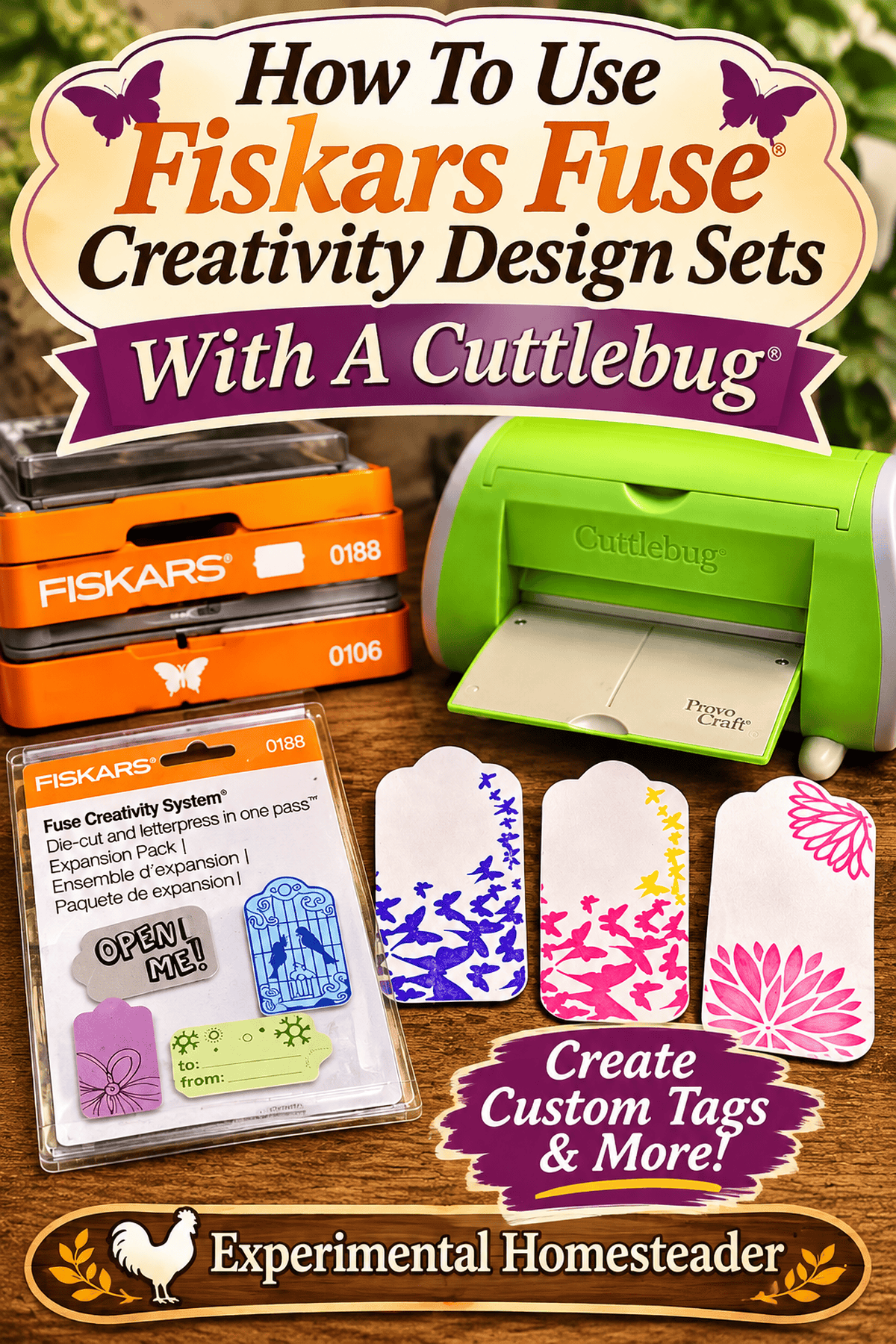
Want to know how to use Fiskars Fuse Creativity Design Sets with a Cuttlebug without buying another expensive die-cutting machine? That's exactly what I set out to discover. I already owned two Cricut machines and a Cuttlebug when the Fiskars Fuse dies caught my eye, and I couldn't justify adding another machine to my craft room just to try them. Instead, I experimented with the tools I already had until I found an arrangement that worked for my equipment.
It wasn't an instant success. Over several months, I tested the die, letterpress insert, paper and plates in different arrangements, then adjusted my approach based on the results. This tutorial shares the combination I eventually used, how I added color to some of the designs, and what to consider when working with older die-cutting tools. Because machines and plates vary, check the fit of your own supplies and never force a sandwich through the rollers.
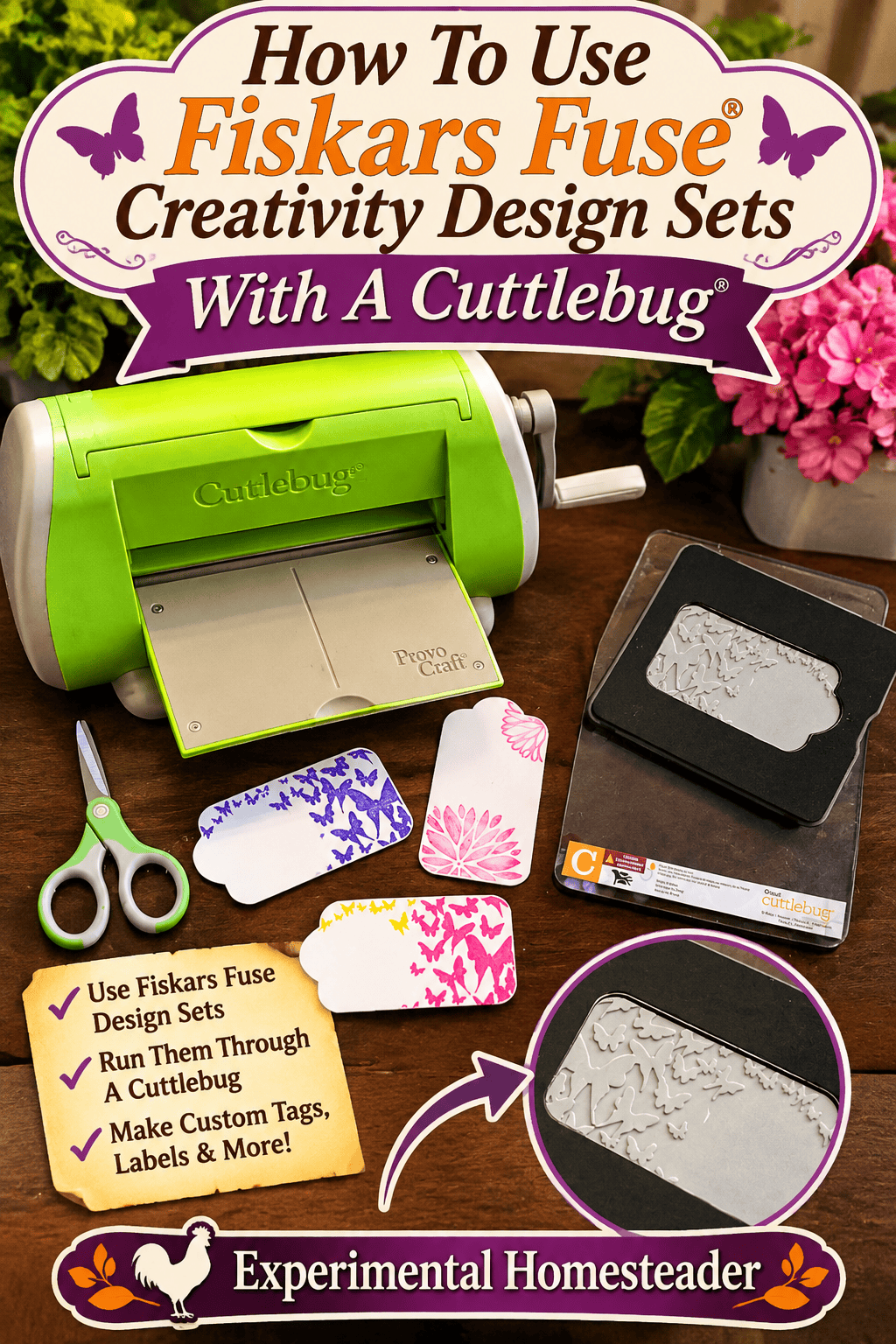
In This Article
Using Fiskars Fuse Design Sets with a Cuttlebug
One of the major complaints I hear from crafters is how expensive all the new die-cutting machines are - never mind the cost of the dies. This project came from wanting to use Fiskars Fuse Creativity Design Sets without buying another large machine. I already owned two Cricut machines and a Cuttlebug, so purchasing a separate Fuse machine didn't make sense for my craft room or my budget.
The interesting part was discovering whether the Fiskars dies and letterpress pieces could work with the machine I already had. It took more than one experiment to find a combination that produced the result I wanted. I tried different arrangements over several months, watched what happened to the paper and adjusted the setup until it worked for me. The original instructions farther down the page record that experience with the specific Cuttlebug and plates I was using.
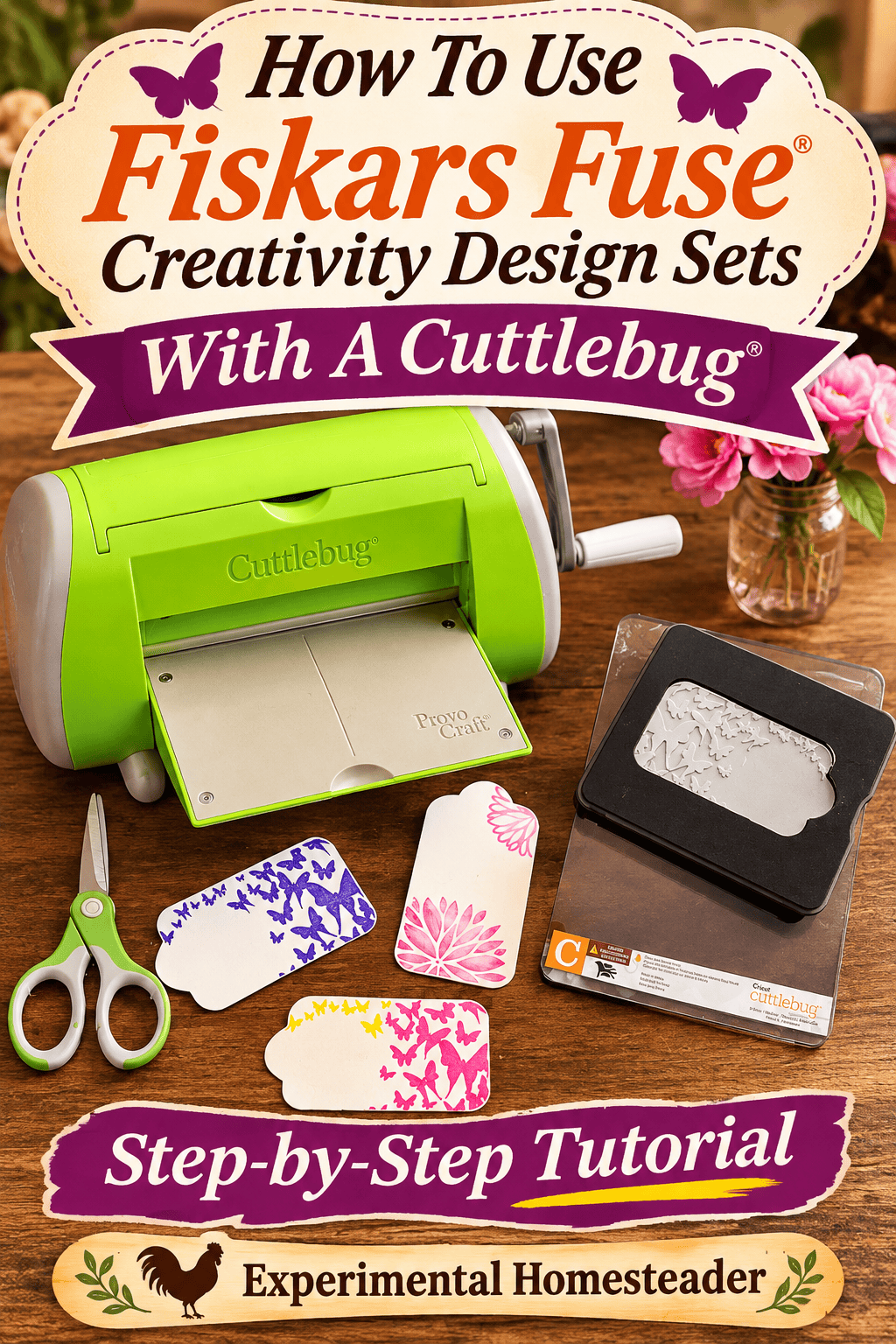
Supplies I Used for the Fiskars Fuse and Cuttlebug Project
My experiment began with a Fiskars Fuse Creativity Design Set, including its matching die and letterpress inserts, a Cuttlebug die-cutting machine, the Cuttlebug C plate, and basic board paper. For decorated impressions, I also tried an ink pad, Faber-Castell Gelatos and Sharpie markers. You do not need every coloring supply to make the design: the first decision is whether you want a plain embossed piece, an inked letterpress impression or a design colored after it comes out of the machine.
Keep the die and its matching letterpress insert together when setting up. The original Fiskars set I used included two letterpress plates; an insert from another set is not automatically interchangeable. My instructions describe the materials I actually used, rather than promising that every generation of Cuttlebug or every replacement plate has the same dimensions.
Three Ways to Finish the Design
- Plain embossed: Leave the letterpress insert uninked to show the raised or recessed detail in the paper.
- Inked impression: Apply color to the letterpress insert before running the paper through, as I did with an ink pad and Gelatos.
- Color after cutting: Run the design without ink, then highlight the embossed areas with markers. I tried this with my Sharpies.
Make a sample of each finish on inexpensive basic board before committing to a greeting card or gift tag. You will be able to compare how clearly the detail shows, whether the ink transfers evenly and which method suits the paper you have.
Understanding the Die-Cutting Sandwich
A die-cutting sandwich is simply the arrangement of the die, paper, embossing or letterpress insert, and machine plates that passes through the rollers. The thickness of that combination matters. Too little pressure may fail to cut or emboss, while excessive pressure can damage plates, dies or the machine. My original arrangement used the large Fiskars Fuse die at the bottom, the letterpress insert placed into it, the paper above that and the Cuttlebug C plate on top.
Before trying this with equipment of your own, check the compatibility guidance for the exact machine generation and plates you have. These are older products, and names or dimensions used in historical tutorials do not necessarily match newer Cuttlebug or Fiskars components. Never force a sandwich through the rollers when resistance feels excessive. Stop and reassess the arrangement instead of applying more pressure.
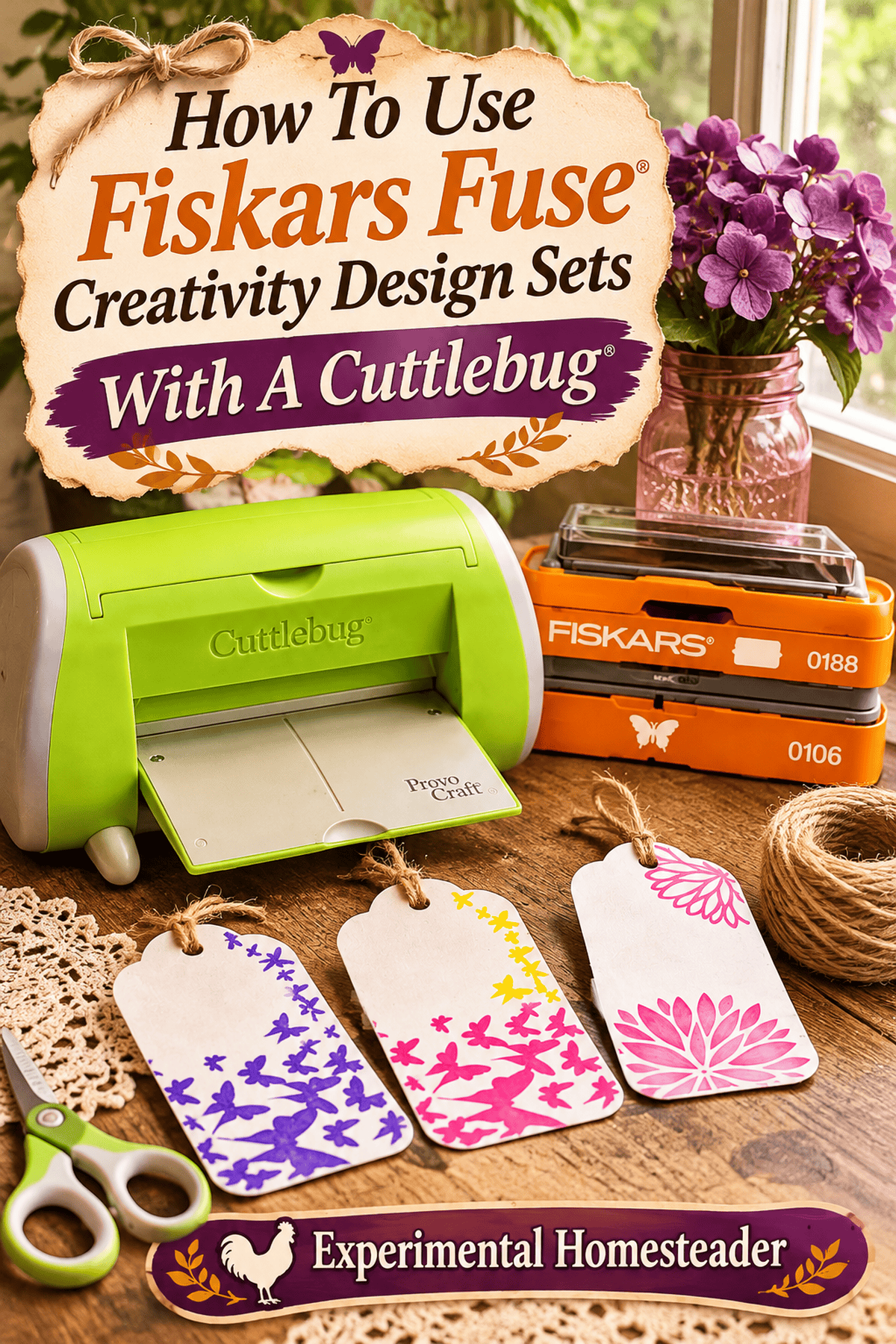
Preparing Paper and the Letterpress Plate
Paper choice can change how well an embossed or cut design appears. Choose material that fits completely within the die and is suitable for the technique. In my original experiment I used basic board paper, placing the side intended to be the front face down. If you are using a letterpress insert, decide whether you want an inked impression or a dry embossed result before assembling the layers.
I tested ink from a pad, Faber-Castell gelatos and even coloring embossed areas afterward with markers. These are different ways of approaching the finish rather than mandatory steps in every project. Start with inexpensive scrap material until you know how much pressure your arrangement creates and how the particular ink behaves. A small test can save a sheet of specialty paper and the frustration of an uneven result.
Troubleshooting Fiskars Fuse Dies in a Cuttlebug
The paper is not cutting cleanly. Check that the paper is positioned fully over the cutting area, the matching insert is seated correctly and the C plate is in the order shown in my original instructions below. Try a fresh piece of the basic board paper I used before changing several things at once. A worn cutting plate or a different paper thickness can affect the impression.
The embossed detail looks faint. Compare a plain impression with one made using an inked letterpress insert. The paper surface and amount of ink both affect how visible the design looks. Before trying more pressure, look at the results from the materials you already tested.
Ink transfers unevenly or smears. Try a lighter, more even application of ink and test on a scrap. Clean the letterpress insert between colors, and let the finished design dry before handling or layering it onto a card.
The sandwich does not enter the rollers normally. Stop rather than forcing it. Recheck the actual die, insert, paper and C plate combination against your machine. The arrangement in this post is the one that worked with my equipment; it is not a universal plate chart for every machine version.
Cleaning and Reusing Your Supplies
Once the paper has passed through the machine, remove the plates carefully and check the cut before lifting the design free. Keep small paper pieces from building up in the die, and clean any letterpress surface that has been inked using a method appropriate to its material. Allow the pieces to dry before storing them so leftover moisture or ink does not transfer to other supplies.
The biggest advantage of making compatible tools work together is that you can continue using a die or letterpress design you enjoy without filling your craft area with another large machine. I still think this kind of experimentation is worthwhile, but it should be done with an eye toward protecting the equipment rather than forcing parts that don't fit.
Fiskars Fuse and Cuttlebug Questions
Do I need to buy the Fiskars Fuse machine to use these dies?
I was able to use the Fiskars Fuse Creativity Design Set with the Cuttlebug and C plate I already owned. That is the experience documented here, not a guarantee for every model or accessory combination.
Can I use a letterpress insert from a different set?
The set I purchased came with matching letterpress inserts, and I used those with its die. Keep matching pieces together rather than assuming an insert from another design will fit.
Can I make cards and gift tags with the finished shapes?
Yes. The finished pieces can be layered onto cards, gift tags and scrapbook pages. For more ideas, see my Cricut card-making tutorial, quilled gift tag project and paper marbling tutorial.
Ideas for Finished Projects
Embossed and cut designs can become greeting cards, gift tags, scrapbook accents or decorative labels. Try a simple card first, then experiment with inked letterpress details once you have a result you can repeat. If you enjoy keeping a collection of stamps and folders handy, my stamp and embossing-folder organization article offers ideas for finding and storing those supplies between projects.
One of the things I learned is that being creative with equipment also means being patient. I did not get the result I wanted on the first try, but by working in small steps I found an arrangement that suited my supplies. The original demonstration and plate order below explain what finally worked.
When I first saw the Fiskars Fuse Creativity System I fell in love - not with the machine, but with the dies. I had just bought two Cricuts (a personal and an Imagine) plus a Cuttlebug, so a new machine - especially a $300 machine was out of the question. I kept thinking to myself why wouldn't those Fiskars dies work on the Cuttlebug - and so I bought one.
It has taken several months of playing around with the Cuttlebug and the Fiskars dies to get everything just so - in part because I am a busy person and do not really have time to sit down and focus all my energy on one task such as this. I try things - and if they don't work out, I think about the things I could do differently the next time around. I keep working at things - slowly - until I figure them out - and thus that is what I did today with the Fiskars Fuse Creativity Design Sets and my Cuttlebug.
Here is what I have learned - and it does work. First you need to by a Fiskars Fuse Design Set. It will come with two letterpress plates and one die. The die is the large black and orange box. The two letterpress plates sit inside this box - and there are expansion packs, but be aware the dies only work with the letterpress plates that come with them and the matching expansion packs. You will also need a Cuttlebug machine and the C plate. For this particular set-up you will need basic board paper. This type of paper reminds me of poster board. At our local craft store is came in a 30 sheet pack and was simply called a basic board pack. It stated on the package that it worked well with die-cut machines and did include some chipboard.
One you have your basic materials above assembled you need to decide if you wish to ink the letterpress plate or simply emboss. If you wish to ink it, this is the time. I used an ink pad to ink one of the letterpress plates and color gelatos from Faber-Castell to ink the other one. The third one I simply colored the embossed areas in with some 80's Glam Sharpies when it was done. Here are the results -
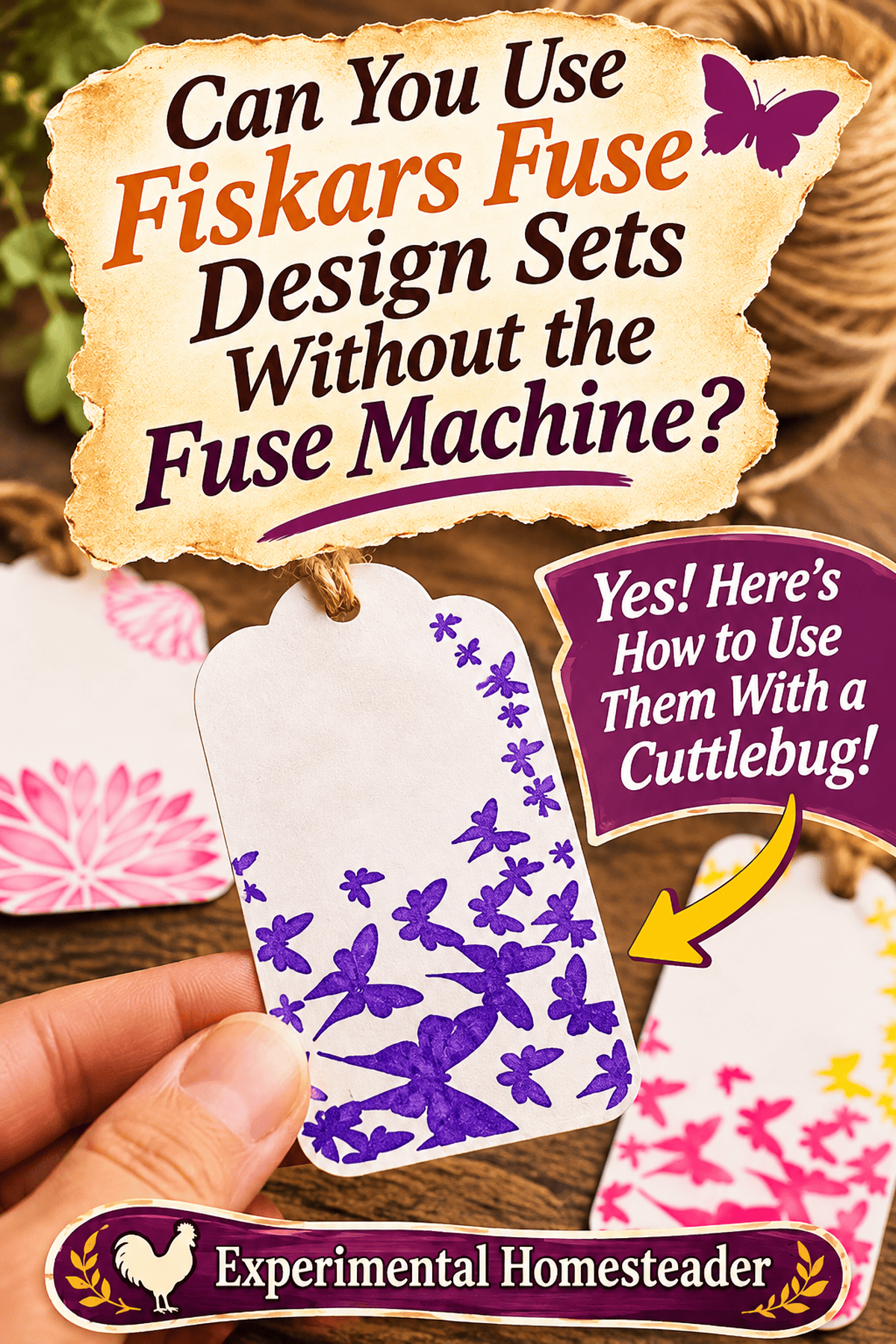
Now that you know some of the things you can do it is time to set up the die and get ready to run it through your Cuttlebug. The first step is to place the letterpress into the opening on the Fiskars Fuse die. Once that is done, lay your paper on top. Place the Cuttlebug C plate on top of the paper, then simply run the sandwich through the machine. When it comes out the other side, carefully remove the C plate and the paper. The paper will be cut and if you chose inked.
That's all there is to it. So, let me recap the sandwich layout that allows you to use the Fiskars Fuse Creativity Design Sets With A Cuttlebug.
1. Place the big square Fiskars Fuse die on the bottom.
2. Insert the letterpress into the die.
3. Place basic board paper on top with the side you wish to be the front face down. Make sure the basic board paper is not larger than the die itself.
4. Place your Cuttlebug C plate on top of the basic board paper.
5. Run the sandwich through the Cuttlebug.
6. Carefully remove the C plate, then the paper.
7. Wash any remaining ink off the letterpress and dry it so it is ready for you to use the next time you wish to.

How to Use Fiskars Fuse Creativity Design Sets with a Cuttlebug
Use the original Fiskars Fuse die and matching letterpress insert with an older Cuttlebug and C plate, following the sandwich arrangement tested in this tutorial.
Materials
- Fiskars Fuse Creativity Design Set with matching letterpress insert
- Cuttlebug and C plate
- Basic board paper cut no larger than the die
- Optional ink pad or coloring materials
- Cleaning supplies suitable for the letterpress plate
Instructions
- Set the large square Fiskars Fuse die on the bottom.
- Insert the matching letterpress plate into the die.
- Put a piece of basic board paper on top, front side face down, cut no larger than the die.
- Place the Cuttlebug C plate on top of the paper.
- Check the sandwich fits your exact model and passes through without excessive force, then turn it through the Cuttlebug.
- Remove the C plate and paper carefully to reveal the cut and impression.
- Clean any ink from the letterpress insert and let it dry before storage.
That's all there is to it. It's very simple really - and now that you know you don't need to buy the Fiskars Fuse Creativity System to use the dies, you can spend the money you will save buying more awesome dies to use with your Cuttlebug.
Get My Free Printable Gift Tags
Once you've made a few embossed designs with your Cuttlebug, handmade gift tags are a wonderful way to put those techniques to use. If you'd like another idea for dressing up gifts without buying expensive supplies, I have a free printable set of chalkboard-style gift tags and labels you can use alongside your own craft projects. Sign up below and get the printable delivered through my email list.