10 Inexpensive Thanksgiving Side Dishes from the Homestead Kitchen
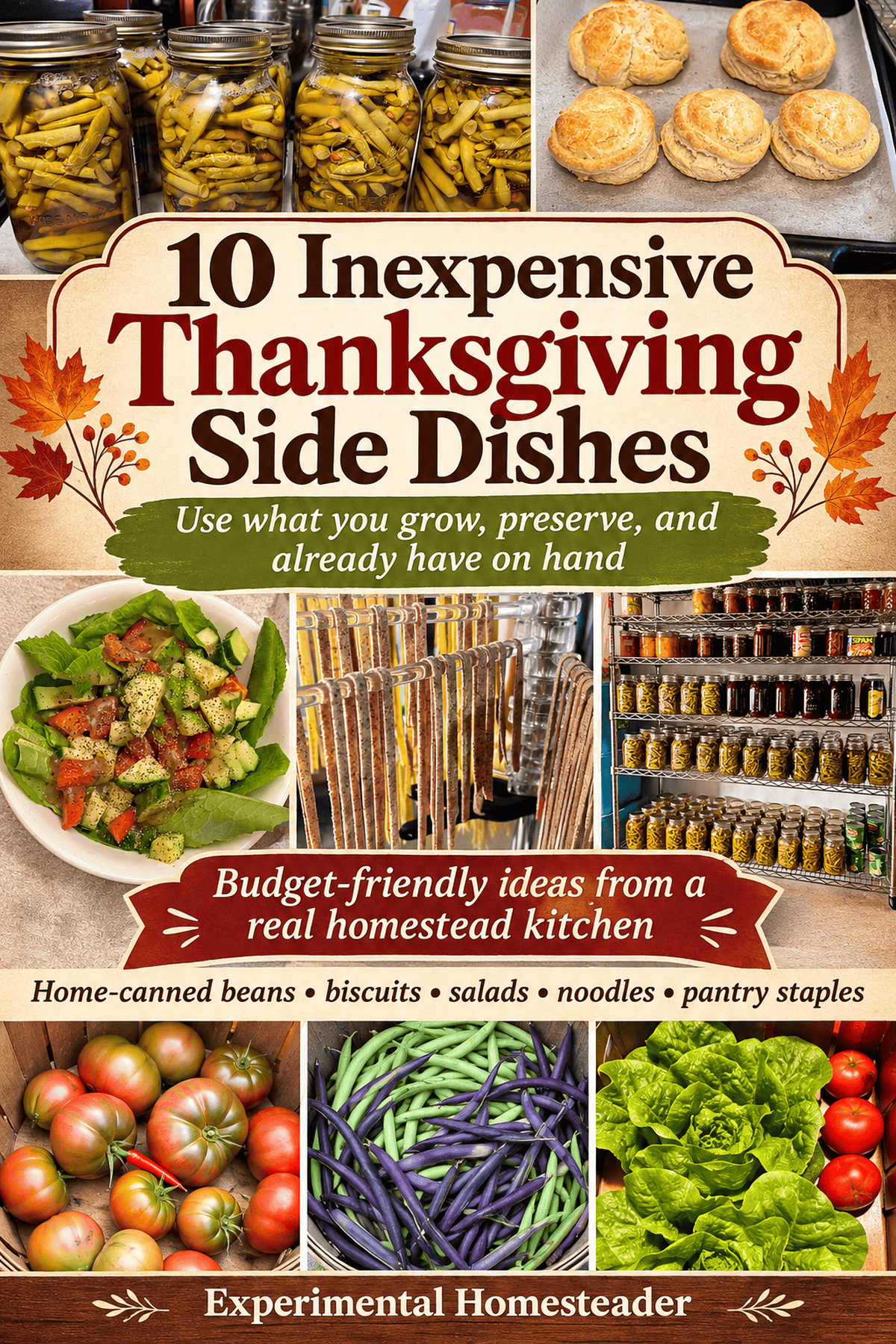
Inexpensive Thanksgiving side dishes are part of how I put a homestead Thanksgiving dinner on the table. Every year I use home-canned green beans, make my dinner rolls from scratch, and cook a turkey we've raised ourselves. I also grow potatoes, and I love being able to walk into the late-fall garden for fresh salad greens when the weather cooperates. Those aren't just money-saving ideas I read about somewhere. They are the foods and habits that help me prepare our holiday meal.
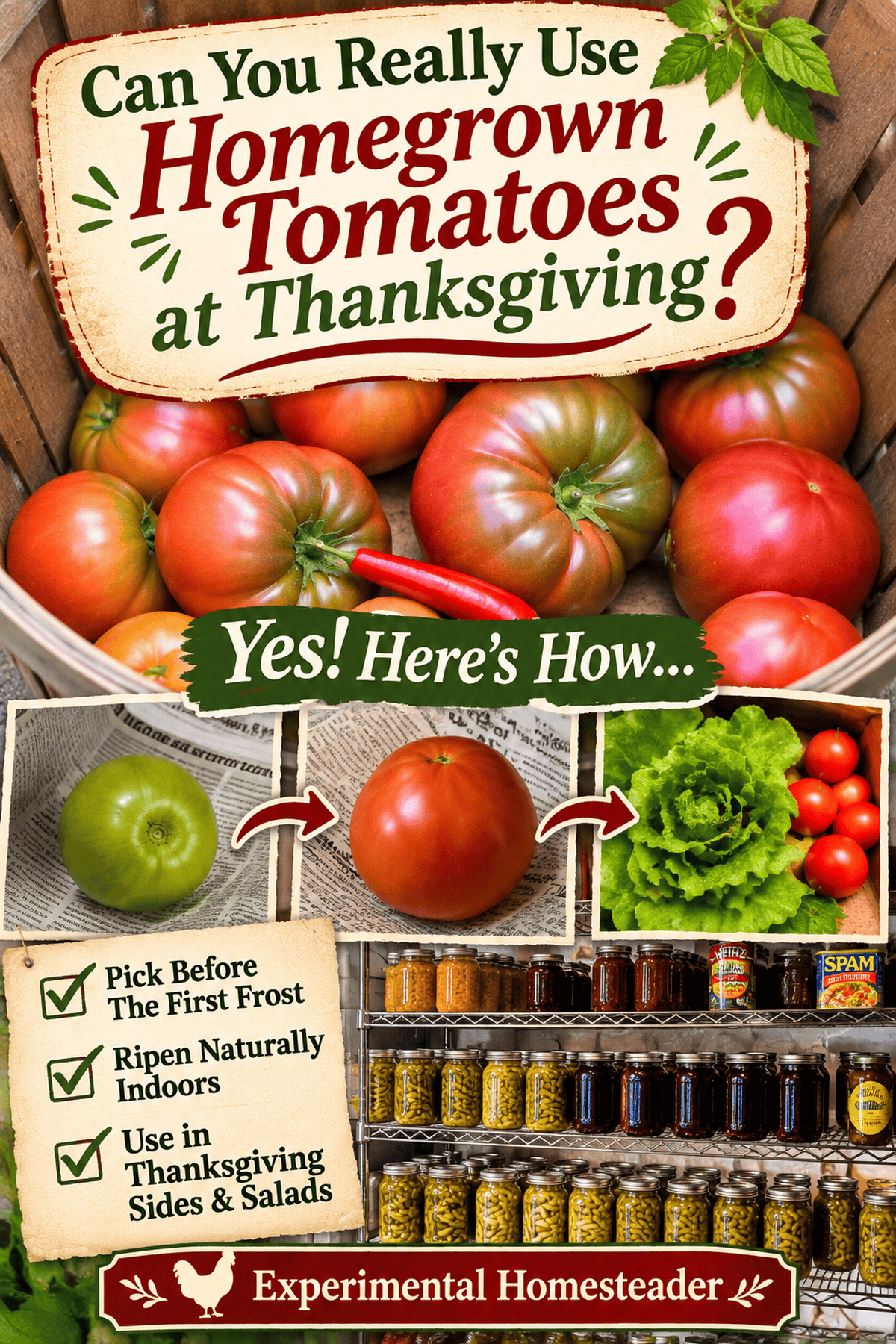
I also pick tomatoes before our first fall frost, wrap them in newspaper, and tuck them into brown paper bags in the basement. As they slowly ripen, I can sometimes use them in winter meals, including a Thanksgiving salad. I check the tomatoes as they ripen, using the good ones and removing any that spoil. There's something satisfying about serving vegetables from a garden that most people assume has finished for the year.
But you don't need land, a flock of turkeys, or a pantry full of home-canned vegetables to have an affordable Thanksgiving. Store sales, grocery-app coupons and discounted holiday meal bundles can be useful too. I'll share ten side dishes you can build around homegrown, preserved or inexpensive store-bought ingredients, along with ideas for using the leftovers in another meal. The goal is to save money, avoid waste, and make the Thanksgiving food you actually enjoy.
In This Article
1. Homemade dinner rolls from the pantry
Flour, yeast and a few other baking staples can stretch a holiday meal without a trip to the store for packaged rolls. When you're planning an inexpensive Thanksgiving, the best bread recipe is often one you already know how to make. My homemade dinner rolls baked in a wood stove are one option, and my toasted sesame honey whole wheat bread offers another. Use the complete recipe on its own page for the ingredient amounts and instructions rather than trying to follow a shortened version here.
Use what you have: Check your flour, yeast and other baking supplies before adding anything to the shopping list. If the oven is already full, select a recipe you can prepare earlier or bake while the turkey rests.
Use the leftovers: Freeze extra rolls while they're still fresh, or turn sound day-old bread into croutons, breadcrumbs or bread cubes for another batch of dressing. Bread doesn't have to be thrown away just because it is no longer soft enough for the bread basket.
2. Green beans from home-canned jars or the freezer
If you preserved green beans during the growing season, Thanksgiving is the perfect time to put some of that work on the table. Plain beans warmed with butter and dried herbs are an inexpensive side, especially when you don't need to buy cream soup, fried onions or additional toppings. When you want something special, I have a sweet maple green beans recipe, bacon maple green beans and a gluten-free green bean and pasta casserole.
Use what you have: Start with properly pressure-canned plain green beans or vegetables frozen using an appropriate preparation method. Choose the seasoning that fits the pantry, rather than buying ingredients for a complicated casserole.
Use the leftovers: Refrigerate cooked beans promptly, then add them to vegetable soup, a stir-fry or a skillet meal later in the week. Freeze suitable portions if you won't use them within a few days; the texture may soften when reheated.
If you put up green beans and other vegetables throughout the year, keeping an inventory helps you use the oldest jars first and see what you still have before shopping. My Food Preservation Binder is a paid printable download with canning, freezing and pantry-inventory pages to help keep those records together.
3. Homemade stuffing or dressing made with extra bread
Stuffing is a good way to turn bread, stock and seasonings into a holiday favorite. Save sound bread for drying or toasting, then add herbs and broth made from a home-raised or purchased bird. My homemade stuffing recipe using Roman Meal bread gives you an established recipe to follow. If you're preparing the whole bird, my turkey neck gravy method is another way to make the most of what you have.
Use what you have: Use bread that is still wholesome and season it with herbs already dried or stored in your kitchen. If you have a smaller bird, make a smaller pan of dressing rather than preparing the same quantity you would for a large family gathering.
Use the leftovers: Chill dressing promptly in shallow containers. Reheat leftovers to 165°F, or freeze portions for another meal. Leftover dressing also makes a handy accompaniment to a turkey-and-vegetable skillet dinner. Don't try to pressure can leftover stuffing or bread-based casseroles.
4. Mashed or roasted potatoes from storage
Potatoes are one of the most dependable inexpensive Thanksgiving sides, especially if you harvested and stored your own or purchased a bag in bulk. For a traditional holiday plate, try my Instant Pot mashed potatoes, which can free up a stovetop burner. If you'd rather roast them, I have herb-roasted cast iron red potatoes. My potato storage guide can help you make the most of your harvest before the holiday arrives.
Use what you have: Choose the kind of potato already in storage, and season it with broth, butter, milk or dried herbs you have on hand. You don't need several different potato casseroles on one table.
Use the leftovers: Refrigerated mashed potatoes can become potato patties, a topping for shepherd's pie or a thickener for potato soup. Reheat roasted potatoes in a skillet or oven to improve their texture. Freeze portions for later if you don't mind that thawed potatoes may have a softer texture.
5. Roasted carrots and other stored root vegetables
Carrots, parsnips, turnips and other sound root vegetables can make a colorful side dish from whatever is available in your root cellar or refrigerator. Cut pieces to a similar size, toss with oil or fat and dried herbs, and roast until tender. Rather than starting from scratch with another recipe, you can try my baking vegetables in salt recipe or hot and spicy carrots. Decide which method works for your budget and available ingredients.
Use what you have: Mix smaller quantities of several roots instead of buying enough of one vegetable to fill a large casserole. Preparing what you stored can be less expensive than adding another packaged side.
Use the leftovers: Dice leftover cooked roots into soup or stew, blend compatible vegetables into a creamy soup, or warm them in a skillet with leftover meat. Freeze portions to use in cooked dishes later; some vegetables may soften after thawing.
6. Sweet potatoes or candied yams
Sweet potatoes bring their own sweetness to the holiday table, and they don't always need marshmallows or an elaborate topping. If you grew or bought sweet potatoes and have them properly stored, roast or cook only what you need, using familiar seasonings. If your family expects the more traditional sweet side, my old-fashioned candied yams recipe provides the full ingredient list and method. Candied yams aren't the same as simply roasted sweet potatoes, so choose the dish your family actually wants.
Use what you have: Consider whether plain sweet potatoes, butter and cinnamon are enough before purchasing more ingredients for a sweet casserole. Check stored roots for quality before cooking.
Use the leftovers: Mash plain cooked sweet potatoes into soup, use them in a savory vegetable mash, or freeze small portions for future cooking. Sweet potatoes that already have a sugary glaze are better reused in sweet preparations than in a savory soup.
7. Peas or corn from jars, bags or the freezer
Frozen peas, properly canned corn and vegetables preserved from a summer harvest are useful choices for Thanksgiving because they cook without using much oven space. My sautéed peas with basil, Parmesan and sesame show one way to turn everyday peas into a special side. For corn, try my easy canned sweet corn recipe. If you're preserving corn for another season, see how to freeze-dry sweet corn.
Use what you have: Don't buy several vegetable blends if you already have corn and peas put away. A little butter, broth or home-dried seasoning can make a simple bowl taste festive.
Use the leftovers: Spoon cooked peas or corn into soup, chowder, pot pie filling, fried rice or another skillet meal. Freeze small containers when they won't be eaten promptly. That last half cup is worth saving if you have a specific meal in mind.
8. Kale, Swiss chard or spinach for a late-fall green side
This is one of my favorite ways to let the season influence the menu. Kale and Swiss chard may still be available from a protected garden in late fall, depending on the weather. I have a post on cooking kale and Swiss chard with the method I developed myself, using butter, flavored oil, vinegar and seasonings. The original recipe gives approximate amounts, so follow that post and adjust to your taste. If you need something from the pantry instead, my simple canned spinach with lemon pepper and butter is another practical option.
Use what you have: Harvest sound greens where they're available, or use plain frozen greens or canned spinach that you already keep on hand. There is no reason to buy fresh greens at premium prices if you have a suitable alternative.
Use the leftovers: Chop leftover cooked greens into a frittata, soup, egg scramble or savory filling. Refrigerate promptly and use soon, or freeze them in small cooking portions if the texture isn't important.
9. Homemade noodles simmered in turkey or chicken broth
Homemade noodles can help stretch a smaller turkey or chicken into a meal that still feels generous. Flour, eggs and a flavorful broth go a long way, especially when the noodles or their ingredients are already on the shelf. See my Ultimate Guide to Homemade Noodles for the actual dough and cooking instructions, and how to dry and store homemade noodles when preparing them ahead. My ideas for using dried noodles offer more meal possibilities.
Use what you have: A home-raised bird, leftover cooked poultry or homemade stock can provide the broth. Cook noodles on the stove while other sides use the oven.
Use the leftovers: Turn broth and noodles into another soup by adding turkey and vegetables. Store them promptly; noodles held in broth become softer over time. Freeze in meal-sized portions if that's more practical than eating the same dish several days in a row.
10. A simple garden salad or crunchy vegetable plate
A fresh dish balances the potatoes, bread and gravy without requiring another casserole. Use cabbage, carrots, lettuce, radishes, winter greens or whatever fresh produce is available. If you still have herbs and edible flowers suitable for food use, my fresh garden salad with herbs and flowers and herb and rose petal salad provide complete recipes. You can also make a much simpler vegetable plate without buying ingredients just for decoration.
Use what you have: Keep the toppings modest and serve dressing separately. Fresh produce harvested late in the season or brought from cold storage can help keep costs down.
Use the leftovers: Undressed sound chopped vegetables can be added to a stir-fry, soup or lunch salad. Keep leafy greens refrigerated and use them promptly. Once a salad is heavily dressed or has sat on the holiday table, it may not store well; prepare a smaller quantity next time.
How I plan a homestead Thanksgiving around what we already have
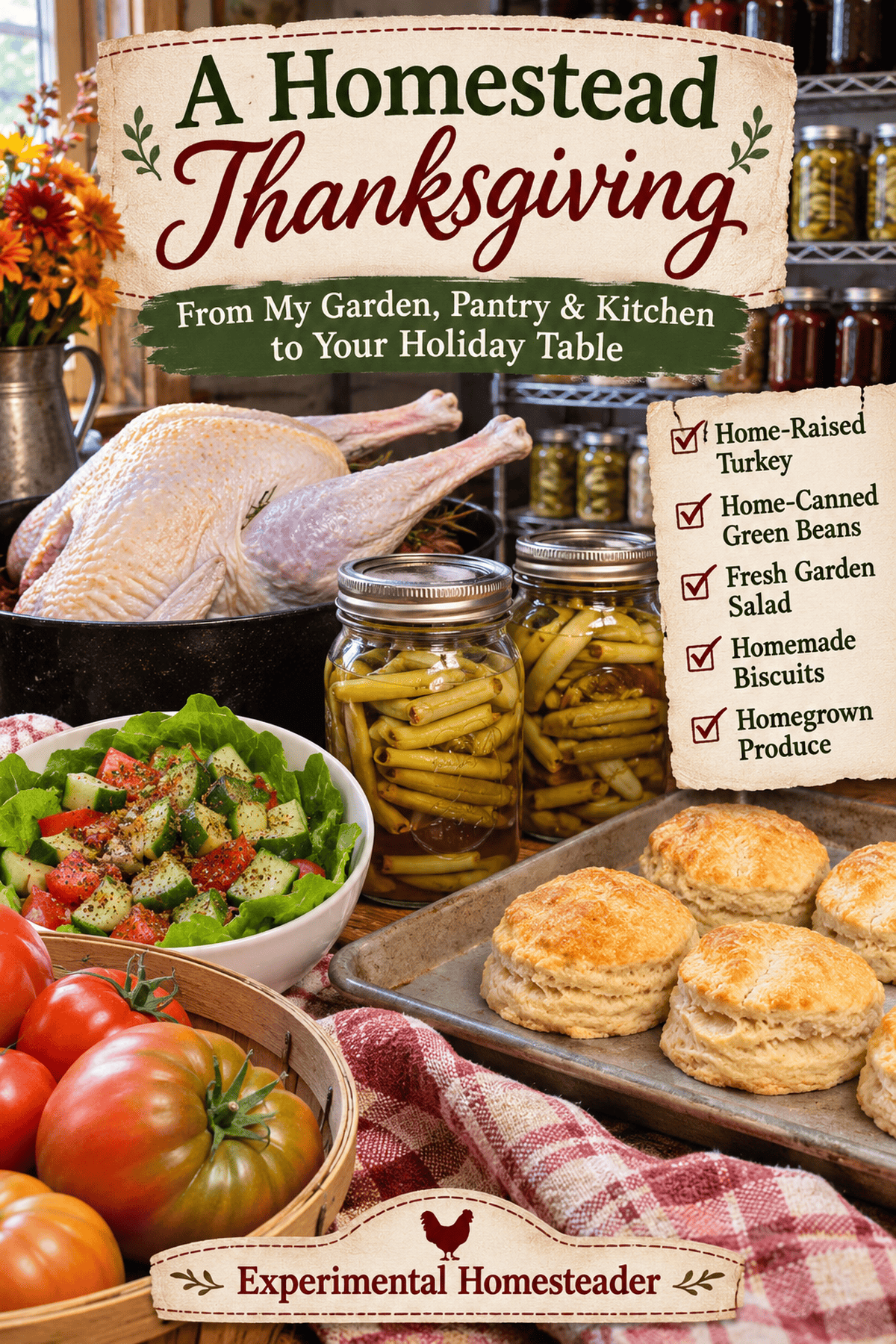
When I'm putting together our Thanksgiving meal, I think first about the food we've raised, grown and put away. Our home-raised turkey is the centerpiece. Home-canned green beans are a Thanksgiving tradition in my kitchen, and I make the dinner rolls from scratch. Potatoes we've grown provide another filling side, while the garden may still offer kale, Swiss chard and salad greens. Rather than build a shopping list around an elaborate menu, I start with the harvest and choose the dishes that work together.
I also pick tomatoes before the first fall frost. I wrap them in newspaper, place them in brown paper bags, and put them in the basement to ripen slowly. If some have ripened and are in good condition by Thanksgiving, they can go into our fresh salad along with greens from the late-fall garden. I check stored tomatoes regularly and use the ripe ones in time. It takes a bit of planning, but I love that the garden can contribute something fresh even so late in the year.
Growing and raising our own food isn't completely free. There are seeds, feed, equipment, preservation supplies and plenty of work involved. Still, when Thanksgiving comes around, I can often make much of the meal from food that is already here. If you don't have a homestead pantry, the same principle works with grocery-store ingredients bought at good prices.
How to save on Thanksgiving groceries if you don't grow or preserve your own
You don't need to raise a turkey or can green beans to prepare an affordable holiday meal. I encourage people to check store apps, weekly advertisements, loyalty programs and digital coupons before buying Thanksgiving groceries. Some retailers run seasonal promotions on a turkey or a holiday meal bundle when you spend a certain amount. Others discount a combination of turkey, potatoes, stuffing ingredients, vegetables and pie supplies. Offers change from year to year and from store to store, so check the current terms rather than assuming the same promotion will return.
Compare the actual cost, not just the word "free"
A free turkey with a qualifying grocery purchase can be an excellent bargain if you already need those groceries. But if you must spend substantially more than planned, the offer may cost you more than buying the bird at another store. Write down the qualifying purchase, exclusions, loyalty-card requirements, redemption dates and whether the advertised savings depend on a rebate or digital coupon. Compare the total price of the groceries you will actually use. A discounted holiday bundle can be a good choice for someone cooking from a smaller kitchen or without an established pantry.
Shop with a short list and use the deals wisely
Look for sales on potatoes, frozen vegetables, bread-baking supplies, canned green beans and other basics. Check unit prices and package sizes, and compare store brands with name brands. Digital coupons can sometimes stack with a regular sale where store policy allows, but don't buy extra food just to reach a threshold unless you know exactly how it will be used. If you eat organic or want to stretch better-quality ingredients, my How to Eat Organic on a Budget post shares more ways to shop thoughtfully. My Top Tips for Prepping on a Budget also discusses shopping lists, coupons and planning purchases over time. For another example of how I have approached coupons, you can read my earlier How to Start Prepping on a Budget with Groupon Coupons post. It covers a past coupon-shopping approach, not a promise that the older promotions are still available.
And remember that a sale doesn't have to be specifically advertised for Thanksgiving. A bag of potatoes or a box of frozen vegetables bought on a good sale beforehand may be more useful than a supposedly special holiday deal. After the meal, my guide to making one meal feed the next can help you use what remains instead of buying an entirely new set of groceries.
How many side dishes do you really need?
These are ten possible dishes, not a recommendation to make all ten. With a small gathering, homemade rolls, mashed potatoes and home-canned green beans may be enough alongside turkey, gravy and a simple salad. For a larger group, add homemade stuffing, another seasonal vegetable or noodles in broth. The most affordable menu is the one that fits your family, not the one with the most pans on the table.
Ask which sides people especially look forward to and which usually come home nearly untouched. Try to balance a starch, a vegetable and something fresh rather than making multiple rich casseroles. Write down roughly how much food your guests ate, especially if you consistently end up with too much of the same dish. Making a sensible quantity is one of the simplest ways to reduce waste without making the table feel sparse.
A make-ahead schedule for a busy homestead kitchen
Thanksgiving doesn't stop the daily homestead chores. Animals still need to be fed and watered, and the kitchen may have only one oven. A simple schedule keeps the side dishes from competing for space when the turkey is roasting.
Two or three days before
Decide which dishes you're preparing, check preserved foods and pantry supplies, and plan when the turkey needs to be ready. Make sure there is space in the refrigerator for any dishes you intend to prepare ahead. Gather pans, serving bowls and ingredients so you won't need a last-minute store trip.
The day before
Prepare suitable bread doughs or bake rolls according to their recipe, wash and trim vegetables, and make bread cubes or other components that can be stored appropriately. If you cook a casserole ahead, cool and refrigerate it promptly. Keep fresh salad ingredients and dressing separate. Some of the work can happen while you are already doing ordinary kitchen tasks.
On Thanksgiving Day
Plan stovetop sides, such as mashed potatoes, noodles or heated green beans, around the main course. Reserve oven time for the turkey, dressing and roasted vegetables. Reheat prepared dishes thoroughly and check their temperatures with a food thermometer. When the turkey is resting, you'll have an opportunity to finish rolls or reheat something that doesn't require a long cooking time.
How to store and reuse leftover Thanksgiving side dishes
I don't like putting work into a holiday meal only to throw the remaining food away. Many Thanksgiving sides can become an entirely different dinner. The key is to put leftovers away in useful portions, label the containers and have a plan for them. A little mashed potato, a serving of greens or half a bowl of corn doesn't look like much by itself, but those ingredients can give a soup, skillet dinner or pot pie a head start.
According to the USDA, refrigerate perishable leftovers within two hours, using shallow containers to help them cool, and keep the refrigerator at 40°F or colder. Use refrigerated leftovers within three to four days or freeze for longer storage. Reheat cooked leftovers to 165°F. The USDA's leftovers guidance explains the storage details, and its reheating guidance covers temperature checks.
Give the vegetables a second job
Extra green beans, peas, corn, carrots and other cooked vegetables can go into soup, a skillet dinner or homemade pot pie. Cooked greens can be added to scrambled eggs, a savory filling or soup. Roasted root vegetables can be blended into a thick soup or chopped into another meal. If your vegetables were prepared in a sweet glaze or heavily seasoned sauce, choose a second dish where those flavors make sense.
Make potatoes, noodles and bread useful again
Mashed potatoes can become potato patties or the topping for shepherd's pie. Leftover roasted potatoes reheat nicely in a skillet. Homemade noodles and broth can become another soup with turkey and vegetables. Freeze suitable bread before it goes stale, or use sound day-old rolls for breadcrumbs or dressing. My ideas for homemade dried noodles and second-meal budgeting guide can help you keep going.
Preserve leftovers in a way suited to the food
Freezing individual portions is often the most practical way to save cooked Thanksgiving leftovers. Plain vegetables, prepared starches and mixed meals may freeze with different changes in texture, so label each container with its contents and date. Do not assume a recipe that was safe to eat at dinner is automatically suitable for home canning. Thickened casseroles, noodle dishes, stuffing, dairy-based mixtures and improvised leftover soups need more than an ordinary pressure-canning time; use a specifically tested canning recipe when you want shelf-stable food. Penn State Extension's guidance on preserving soups explains why some ingredients cannot simply be added to home-canned soup. If there's no tested process for the finished mixture, refrigerating or freezing is the better approach.
Want a little help planning the next meal before the leftovers disappear into the refrigerator? My Stretch-It Kitchen Complete Digital Workbook is a paid printable resource for tracking what you have, planning ways to use it again, and reducing grocery waste. It's the same approach I use with our home-raised meat, preserved vegetables and everyday meals.
Frequently asked questions about budget Thanksgiving sides
Which Thanksgiving side dishes usually cost the least?
Homemade bread, potatoes and simple seasonal vegetables are often economical because they rely on basic ingredients. The cheapest choice depends on what you already have, how many people you're feeding and local sale prices. Home-canned green beans or frozen garden vegetables can reduce the amount you need to buy for the holiday.
Can I use home-canned green beans for Thanksgiving?
Yes. That's something I do every year. Use jars processed according to a tested method and stored properly. Warm and season the beans, or follow one of my green bean recipes if you want a different flavor. For plain green beans, a tested pressure-canning process is required.
Can I use tomatoes picked before the frost in a Thanksgiving salad?
That's one of the ways I extend the fall harvest. I pick tomatoes before our first frost and store them wrapped in newspaper inside brown paper bags in the basement so they ripen gradually. I inspect them as they ripen and use those that remain sound. When I have ripe tomatoes and garden greens available, they're a welcome fresh addition to the holiday table.
Can grocery-app promotions really save money on Thanksgiving?
They can, particularly when a discounted meal bundle or qualifying-purchase offer includes foods you already planned to buy. Compare the complete receipt amount, quantity and quality of the food, and the store's coupon restrictions. A free item isn't a bargain if it requires unnecessary purchases.
How long can I keep leftover Thanksgiving side dishes?
For most cooked, perishable leftovers, refrigerate promptly and plan to eat them within three to four days or freeze them. Reheat leftovers thoroughly to 165°F. Some fresh salads don't hold their texture well, so keep dressing separate and only prepare as much as you expect to eat.
More Thanksgiving ideas and ways to stretch your grocery budget
If you're looking for a bigger collection of recipe choices, visit my Best Thanksgiving Side Dishes roundup. For the rest of the menu, see Thanksgiving Recipes and DIY Decorating Ideas for the Homestead, turkey neck gravy, and homemade Thanksgiving drinks on a budget.
Thanksgiving doesn't have to mean an expensive shopping cart or days of elaborate cooking. Some years the best part of the meal is knowing you grew the potatoes, canned the beans, baked the bread and picked the greens yourself. Other years, the best choice may be a discounted turkey, a store-bought bag of potatoes and a few simple sides that everyone enjoys. What matters is making the most of the food you have. What inexpensive Thanksgiving side does your family always ask for-and how do you use the leftovers?
Get more homestead pantry and food-preservation ideas
If you'd like to keep building a practical pantry long after Thanksgiving, join my Experimental Homesteader newsletter. I share homesteading and food-preservation ideas along with my free 52-week stocking-up list to help you work toward a more useful food supply a little at a time.