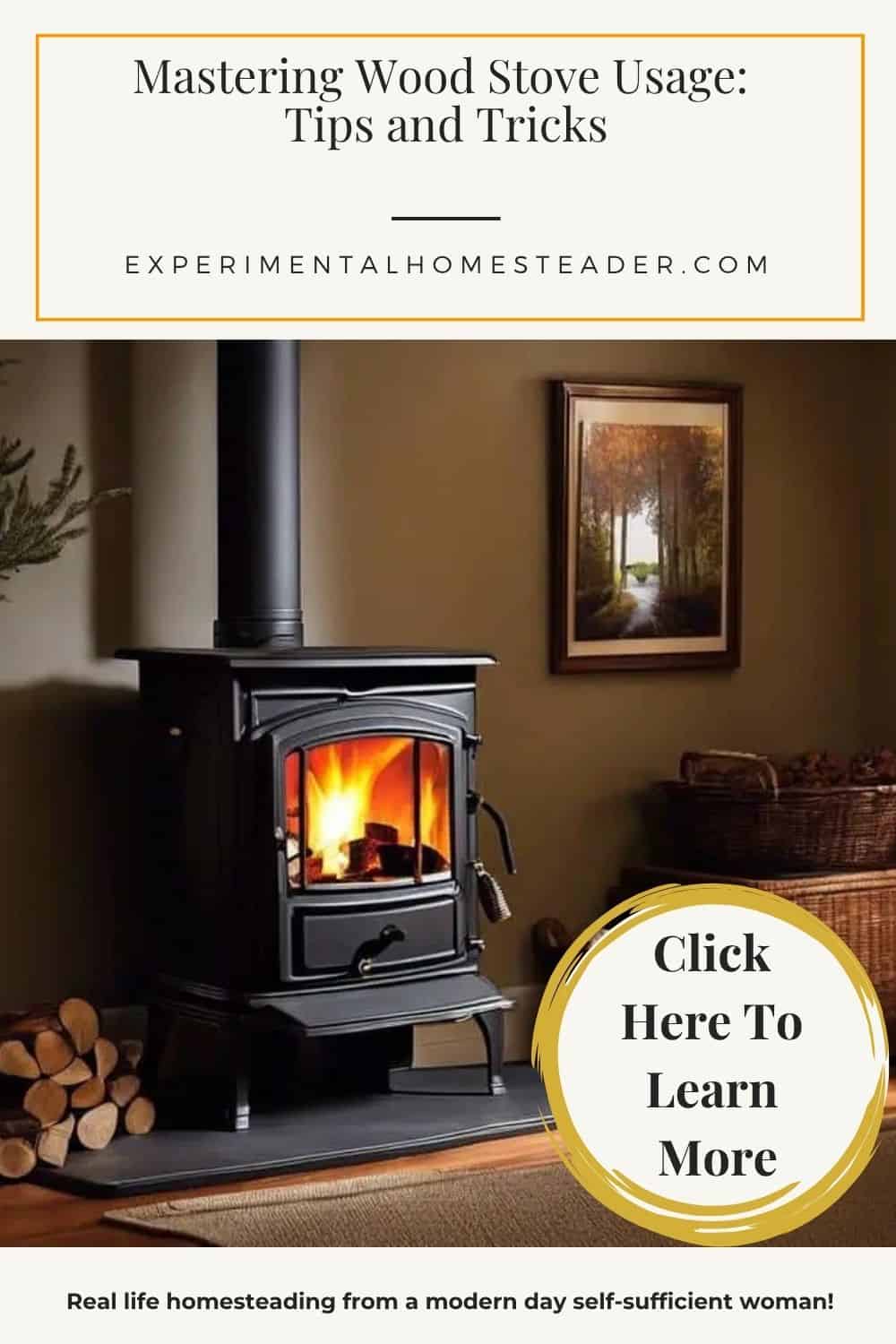
Mastering Wood Stove Usage: Tips and Tricks
Embracing the charm and warmth of a wood stove is one of those true homesteader joys - and mastering wood stove usage can transform a simple heat source into a cornerstone of self-sufficient living.
Whether you're heating your home through the winter, cooking hearty soups, or just enjoying that comforting crackle on a cold night, a wood stove brings both practicality and beauty to homestead life.
Learning to operate, maintain, and fuel your stove properly ensures it runs safely and efficiently, saves money, and gives you peace of mind.
The key is understanding your stove's type, how to manage the fire, and how to care for the system from top to bottom.
So, grab a mug of something warm, pull up a chair by the fire, and let's talk through what every homesteader should know about using a wood stove like a pro.
Unraveling the Different Types of Wood Stoves and Their Unique Uses
Not all wood stoves are built the same - and knowing which type you have, or want, can make all the difference in how you use it.
Freestanding Wood Stoves
These are the traditional favorites - standing proudly in a room, radiating warmth in every direction.
They require no fireplace insert, making them a great choice for homesteads that rely on wood as a primary heat source.
Some even feature a flat cooking surface perfect for simmering soups or keeping a kettle hot.
They burn larger logs and hold heat beautifully.
Catalytic Wood Stoves
These stoves use a catalytic combustor to reburn gases and particles that would otherwise escape up the chimney.
That means more heat from less wood and fewer emissions.
They're excellent for eco-minded homesteaders, though they require a bit more maintenance - the catalytic element needs cleaning or replacing periodically.
Non-Catalytic Wood Stoves
Simpler and more affordable, these stoves use baffles and secondary air tubes to burn off gases.
They give you a clear view of the flames (a big bonus for ambiance) and are easier to use.
They're perfect for beginners who want reliable heat without fuss.
Insert Wood Stoves
If your home already has a fireplace, an insert stove slides right in.
It's a fantastic way to make that fireplace more efficient - instead of losing most of the heat up the chimney, an insert retains and radiates it into your home.
Pellet Wood Stoves
A modern twist on the classic, these stoves burn compressed pellets made from sawdust or other biomass.
They offer steady, controlled heat and are easy to use.
Some homesteaders love them for convenience, while others prefer traditional logs for that old-fashioned satisfaction.
The right stove depends on your space, your goals, and your lifestyle.
But whichever you choose, understanding its operation and maintenance is key to safe, efficient heating.
Ensuring Safe and Effective Use of Your Beloved Wood Stove
Let's be honest - a wood stove can be your best friend or your biggest headache, depending on how well it's maintained.
Safety and upkeep go hand in hand here.
Choose the Right Wood
Burn only seasoned hardwood - oak, maple, hickory, or ash.
It should be split, stacked, and air-dried for at least six months.
Green or damp wood produces smoke, creosote buildup, and poor heat output.
Keep It Clean
Ashes build up faster than you think.
Clean out the firebox regularly and dispose of ashes in a metal container stored outdoors, away from anything flammable.
Use a damp cloth or newspaper dipped in cool ashes to clean soot from the glass window.
At least once a year, remove the baffle plate and inspect for cracks or warping.
Schedule a professional chimney sweep every one to two years, depending on how much you burn.
Chimney and Stovepipe Care
Your chimney is like the stove's lungs - if it's blocked or dirty, nothing works right.
Keep an eye out for soot, obstructions, or shiny black creosote - a major fire hazard.
A stovepipe thermometer is a great tool for spotting issues early.
Rusted pipes or holes mean it's time for replacement.
Avoid Overfiring
It's tempting to build a roaring blaze, but too much heat can warp metal and crack ceramic parts.
Use a thermometer to monitor your stove's temperature - it should stay within the "burn zone" recommended by the manufacturer.
Check the Gaskets
A leaky door seal means you're losing heat and efficiency.
If a piece of paper slips through the closed door, the gasket needs replacing.
Do this quick check each season.
Safety is all about consistency.
A well-maintained stove isn't just efficient - it's dependable, safe, and lasts for decades.
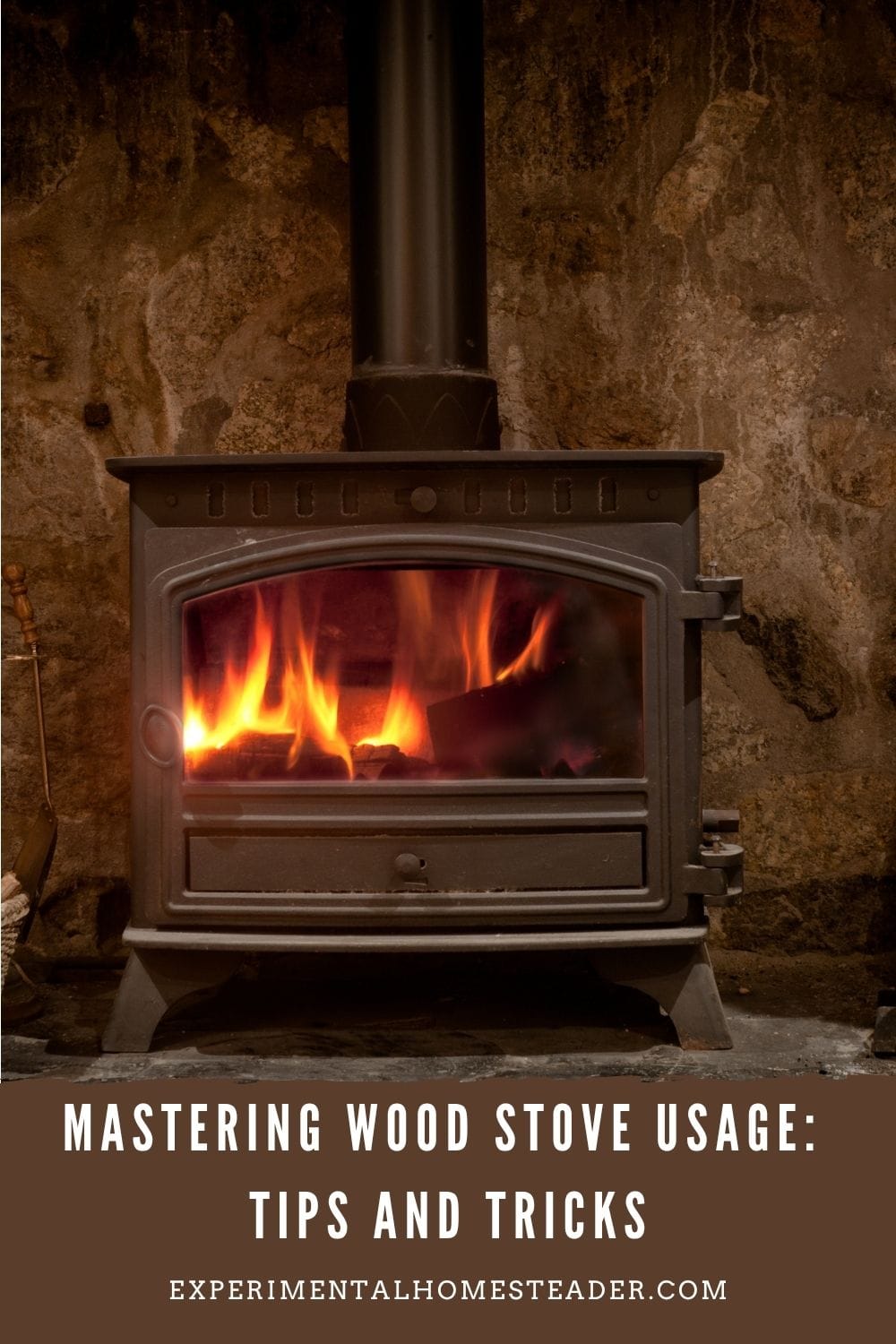
Fueling Your Wood Stove Efficiently for Optimum Heat Control
Once your stove is cleaned and ready, the next challenge is learning how to get the most heat with the least effort - and fuel.
Stacking and Loading
Always start small.
A base of kindling and smaller pieces catches faster and burns hotter, allowing larger logs to ignite easily.
Stack your logs so air can circulate - too tight and you'll smother the flame, too loose and you'll waste heat.
Maintain Airflow
Most stoves have air inlets that control oxygen flow.
More air equals a hotter, faster fire; less air gives a longer, slower burn.
Adjust gradually to find your sweet spot.
Watch the Flame
A healthy fire has lively, dancing flames - not thick smoke or smoldering embers.
Too much smoke means poor combustion.
You'll get better heat and less creosote when the fire burns cleanly.
Use the Right Tools
Invest in a stove thermometer and moisture meter.
Wood with less than 20% moisture burns best, and a thermometer helps you keep the stove in that ideal temperature range (usually 230°F-475°F).
Don’t Overload the Firebox
It's a common mistake to stuff the stove full to make the fire last longer.
Instead, aim for the logs to reach about three-quarters up the firebox.
Overfilling limits airflow and causes incomplete burns.
When you master heat control, you'll burn less wood, get more warmth, and enjoy a steadier, cleaner fire.
Cooking on a Wood Stove: Bringing Homestead Flavor to the Fire
If you love finding new ways to use your wood stove, don't stop at heating your home - try cooking on it too!
There's something incredibly satisfying about preparing a meal over the same fire that keeps your home warm.
Here are a few of my favorite recipes to try:
Each one brings a touch of old-fashioned flavor and modern practicality to your homestead kitchen.
Cooking this way teaches patience, awareness, and creativity - all the same values that make homesteading so rewarding.
Common Mistakes to Avoid When Using a Wood Stove
-
Using unseasoned or green wood - It smokes excessively, wastes energy, and clogs the chimney.
-
Closing the air vent too soon - Starving the fire of oxygen leads to smoldering.
-
Neglecting regular cleaning - Creosote buildup is one of the leading causes of chimney fires.
-
Overfiring - Burns out components prematurely.
-
Poor placement - Stoves too close to walls or furniture can be a serious fire risk.
-
Ignoring the chimney cap - Without one, debris and even animals can block airflow.
-
Using flammable liquids - Never use accelerants like lighter fluid to start a fire.
-
Not checking for drafts - A poorly drafting chimney wastes heat and fills rooms with smoke.
Avoiding these mistakes keeps your stove efficient, safe, and enjoyable to use.
Eco-Friendly Tips for Homesteaders Using Wood Stoves
If sustainability is part of your homesteading mission, a wood stove can be both green and gratifying.
-
Use locally sourced hardwoods. You'll reduce transportation emissions and support local loggers.
-
Plant trees. Replace what you burn - it's the simplest way to make your heating renewable.
-
Compost your ashes. Ash adds valuable nutrients like potassium to the garden, just avoid using it near acid-loving plants like blueberries.
-
Invest in efficiency upgrades. Add a stove fan to circulate heat naturally without electricity.
-
Monitor emissions. A clean burn has minimal smoke - if you see dark plumes, adjust your air intake or fuel quality.
Even small tweaks like these can make a big difference in how eco-friendly your heating system is.
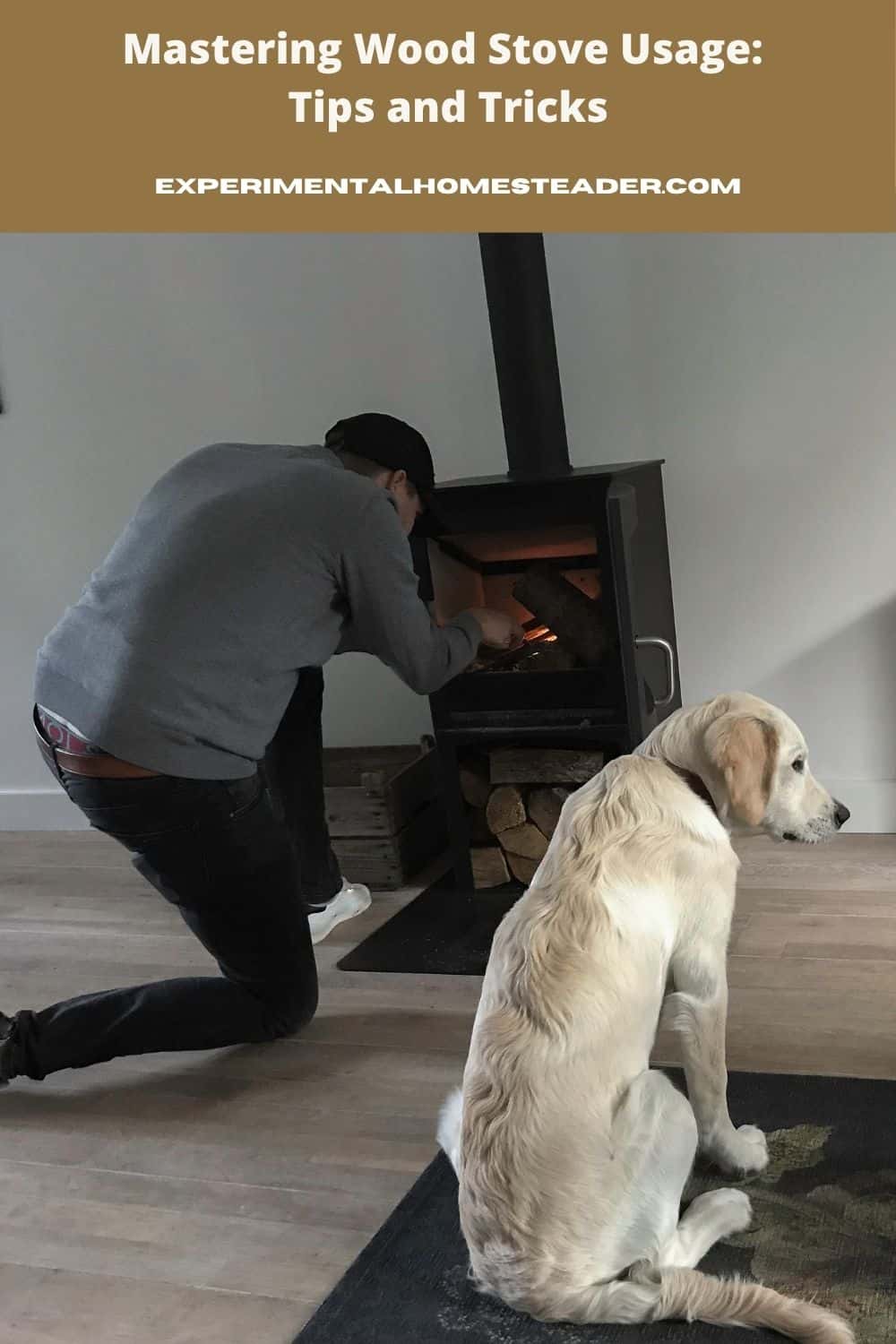
Troubleshooting Common Wood Stove Problems
1. Smoke leaks into the room: Check for a blocked chimney or poor draft. Cold flues often need preheating - light a small piece of newspaper near the flue opening before starting your main fire.
2. Fire won't stay lit: Wood might be too damp, or the air intake too restricted. Open vents fully until the fire is established.
3. Excessive creosote: Burn hotter, cleaner fires and schedule a chimney sweep. Wet wood is the usual culprit.
4. Weak heat output: Try smaller splits of wood, adjust the damper, and make sure ash isn't blocking airflow beneath the fire.
5. Cracked glass or warped baffles: These are safety issues - replace immediately before operating again.
A little observation and maintenance go a long way in keeping your wood stove running smoothly all winter.
FAQs About Mastering Wood Stove Usage
Q. How often should I clean my wood stove and chimney?
A. A full clean-out should happen at least once per year, ideally at the end of the heating season. If you burn daily, inspect every two months for creosote buildup. Light users might get by with a mid-season check.
Q. Can I burn pine or other softwoods?
A. Yes, but sparingly. Softwoods like pine or spruce ignite easily and are great for kindling but burn fast and produce more creosote. Stick with hardwoods for the main fire.
Q. Why does my stove glass keep turning black?
A. Dirty glass usually means poor combustion - either damp wood or restricted airflow. Burn hotter fires with dry wood, and it should stay clear.
Q. How do I safely dispose of ashes?
A. Always use a metal ash bucket with a tight lid and store it outdoors on a non-combustible surface. Even "cold" ashes can hide live embers for days.
Q. Is it okay to leave a wood stove burning overnight?
A. Yes, if you're using dry hardwood and your stove is in good condition. Before bed, adjust airflow for a slow burn and make sure the door is securely closed.
Q. What's the ideal moisture content for firewood?
A. Between 15-20%. Anything higher and you'll lose heat to evaporation; anything lower burns too fast.
Q. Can a wood stove heat an entire home?
A. Absolutely - if sized properly and placed strategically. Larger homes may need additional fans or ducting to distribute heat evenly.
Q. How do I know if my chimney needs sweeping?
A. If you notice reduced draft, excessive smoke, or a shiny black buildup inside, it's time. Most homesteaders schedule an annual sweep just before winter.
Q. Are pellet stoves easier to maintain than log stoves?
A. In some ways, yes - they produce less creosote and burn more consistently. However, they rely on electricity and mechanical feeders, which can fail or require servicing.
Q. Can I cook on a wood stove?
A. Yes! Many homesteaders use the flat surface to simmer stews or keep coffee warm. Cast iron cookware works best, and it's a wonderful way to stretch your stove's usefulness.
Embracing the Homesteader’s Hearth
Mastering wood stove usage isn't just about fire management - it's about reclaiming an old-world skill that brings warmth, resilience, and independence.
Once you understand your stove's personality, the rhythm of the fire becomes second nature.
You'll soon be lighting it without thinking, listening for the perfect crackle, and feeling that deep satisfaction only a well-tended fire can give.
A wood stove embodies everything homesteading stands for: self-reliance, simplicity, and comfort earned through mindful effort.
It connects you to the rhythms of nature and rewards you with the purest kind of heat - the kind you make yourself.
If you enjoyed this guide and want more practical homesteading tips straight from my homestead, join my newsletter.
I share real-life advice, seasonal updates, and insights from my own journey toward living beautifully and self-sufficiently - no fluff, just honest wisdom for everyday homesteaders like you.
Self-Sufficient Living
Explore the ultimate guide to self-sufficient living with our curated list of related blog posts. From food preservation to DIY projects and homesteading inspiration, find everything you need to thrive on your self-sufficiency journey. Perfect for beginners and seasoned homesteaders alike!

The Essential Guide To A Completely Self Sufficient Homestead
Learn how to start living on a completely self sufficient homestead today with this essential guide plus sign up for our FREE eCourse!

How To Be Self-Sufficient In An Apartment
Learn how to be self-sufficient in an apartment. Even if you live in a big city you can learn skills you will use one day on your homestead.

Thriving Through Self-Sufficiency: A Journey to a Balanced Life
Learn how to thrive through self-sufficiency: slow down, live intentionally, and find balance for a healthier and more sustainable lifestyle.

Top 5 Tips for Balancing the Self-Sufficient Lifestyle: Stay Organized, Motivated, and Successful
Discover how to balance the self-sufficient lifestyle with actionable tips for organization, motivation, and sustainable success.

Step-by-Step Guide to Self-Sufficient Living: One Small Step at a Time
Start small with this step-by-step guide to self-sufficient living. Simple, achievable tips to ease into a sustainable lifestyle.
7 Ways To Start On The Path To A Self Sustaining Homestead
A self sustaining homestead is a lot of work but you do get a lot of satisfaction knowing you are living the self sufficient life you've dreamed of.
A Beginner's Guide To A Self Sufficient Homestead Plan
Making a self sufficient homestead plan is the first step to accomplishing your goal of living on a self sufficient homestead.

Seasonal Foraging Guide for Homesteaders: Year-Round Wild Edibles
Enhance your homesteading skills with our comprehensive seasonal foraging guide. Learn how to find and enjoy nature's delicious offerings.

Living The Homestead Lifestyle
Embarking on the homestead lifestyle is not easy. This is why I love Homegrown and Handmade by Deborah Niemann. The homestead tips are great!

Weapons To Include In Your Homesteading Self Sufficiency Survival Kit
Learn what weapons - both lethal and non-lethal - to include in your homesteading self sufficiency survival kit. Also learn why you need to include them.
Mockmill Flour Grinding Mill Makes It Easy To Grind Your Own Grain
The Mockmill flour grinding mill quickly and easily turns wheat berries into flour that is perfect for making freshly baked bread.
Homesteading Today In The USA
Although the Homestead Act of 1862 is no longer in effect, free land is still available for those wanting to try their hand at homesteading today.

How Much Land For A Homestead
When it comes down to the reality of how much land for a homestead you really need, it's much more than just a number. Learn what you need to consider.

What Homestead Living Is Really Like
Learn what homesteading living is really like. It's not always picturesque or romantic. In fact, sometimes it is difficult.

Food Security Preparedness - What To Do Before Disaster Strikes
Learn what food security preparedness skills you need to survive any natural or man-made disaster, and why you should grow your own food.

Learn To Be Self-Sufficient
Learn to be self-sufficient from Sheri Ann Richerson, a modern day self-sufficient woman with these eBooks and printables!

Self Sustainable Living Ideas Using Animals
Animals are a great way to help you acheive your self sustainable living ideas. Learn what animals are best for your self sufficiency plan.
Preserving Herbs For Winter Use eCourse
Do you love fresh herbs but wonder if there is an easy way to preserve them for the winter?
Do you seek other ways to use herbs other than just as a seasoning on food?
There are so many ways to preserve herbs for winter use – from various methods of drying them to freezing them, but it doesn’t end there.
Some of the best ways to preserve herbs in right in the foods you would normally incorporate herbs into – pre-made seasonings, teas, butter or oil.
Then this is the course for you!
What You Will Learn In This Course:
Hang herbs to dry
Use a hanging herb dryer
Dry herbs on a window screen dryer
Dry herbs in a dehydrator
Dry herbs in an oven
Dry herbs in a microwave
Freeze herbs whole
Make herb ice cubes
Add fresh herbs to freezer meals
Add herbs to canned sauces
Preserve herbs in vinegar
Preserve herbs in oil
Preserve herbs in butter
Preserve herbs in salt or sugar
Make pre-made seasonings
Make herbal tea
Make herb jelly (plus tips on how to use these)