Different Ways to Use Edible Flowers in Food, Drinks and Desserts
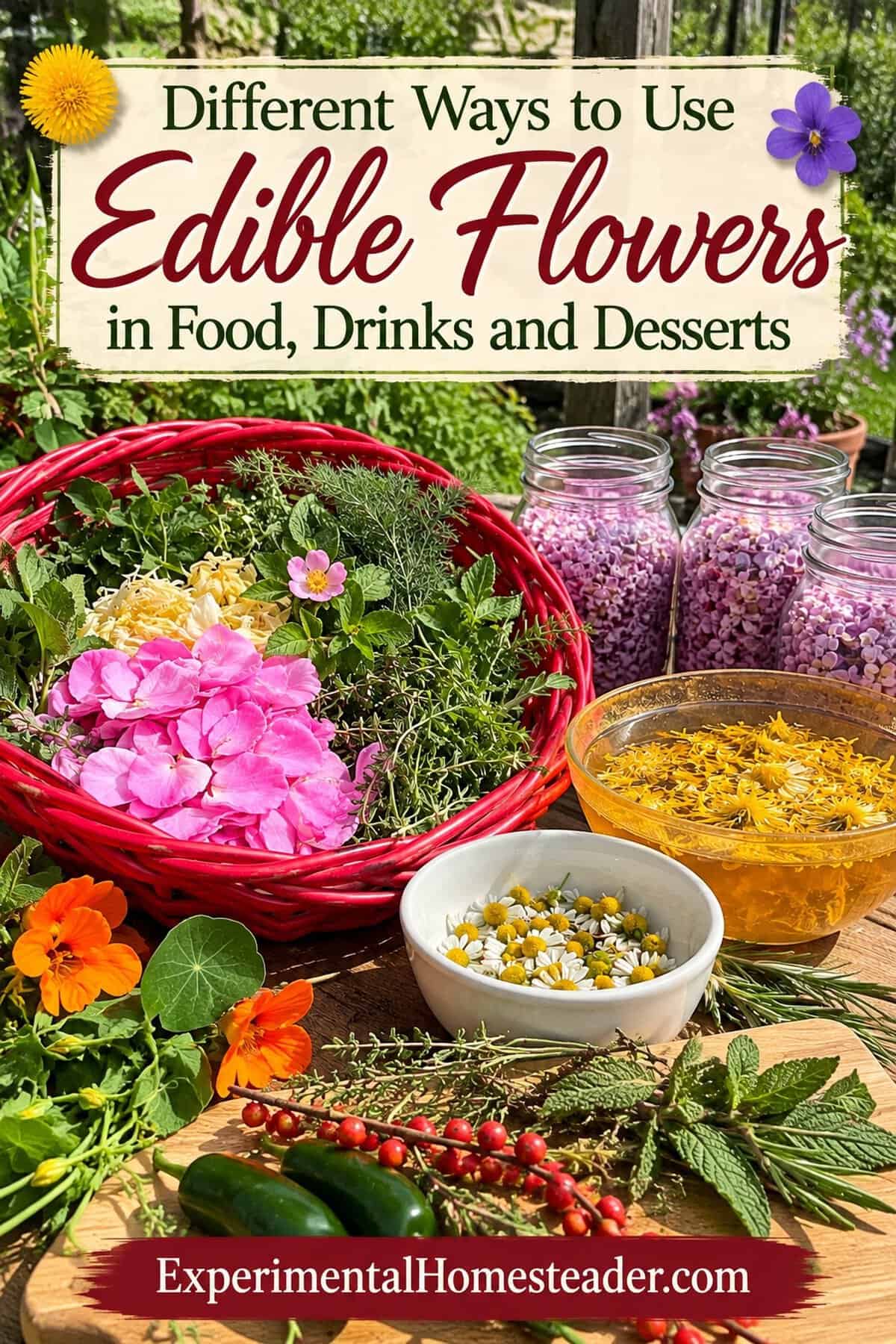
Imagine bringing a basket of roses, chamomile, violets and fresh herbs into the kitchen, then discovering that the most interesting part of the harvest is still ahead of you. Those flowers can do far more than decorate a plate. They can brighten a glass of lemonade, become the centerpiece of a summer dessert, bring fragrance to a cup of tea or turn an ordinary salad into something guests remember.
But not every flower belongs in every recipe. A peppery nasturtium brings something entirely different to the table than a fragrant rose petal or a delicate chamomile blossom. The secret is understanding the flavor, texture and preparation before you start. Here is how to move from garden harvest to food, drinks and desserts, with practical methods, serving ideas and ways to avoid disappointing results.
In This Article
Which Edible Flowers Work Best for Different Uses?
Peppery nasturtiums suit salads and savory platters. Mild pansies and violas are useful for decorative food projects when positively identified and grown for eating. Rose petals are a traditional choice for sweet preparations, while culinary lavender is strongly flavored and should be used sparingly.
Choose the exact species and edible plant part before starting. Not every flower called a marigold, violet or mum has the same culinary use, and a florist bouquet is not a food source. For help choosing flowers to grow for the kitchen, see 4 Easy To Grow, Edible Organic Flowers on Exotic Gardening. If you want to combine edible blooms and culinary herbs in containers, see Growing Edible Flowers and Herbs in the Same Pot.
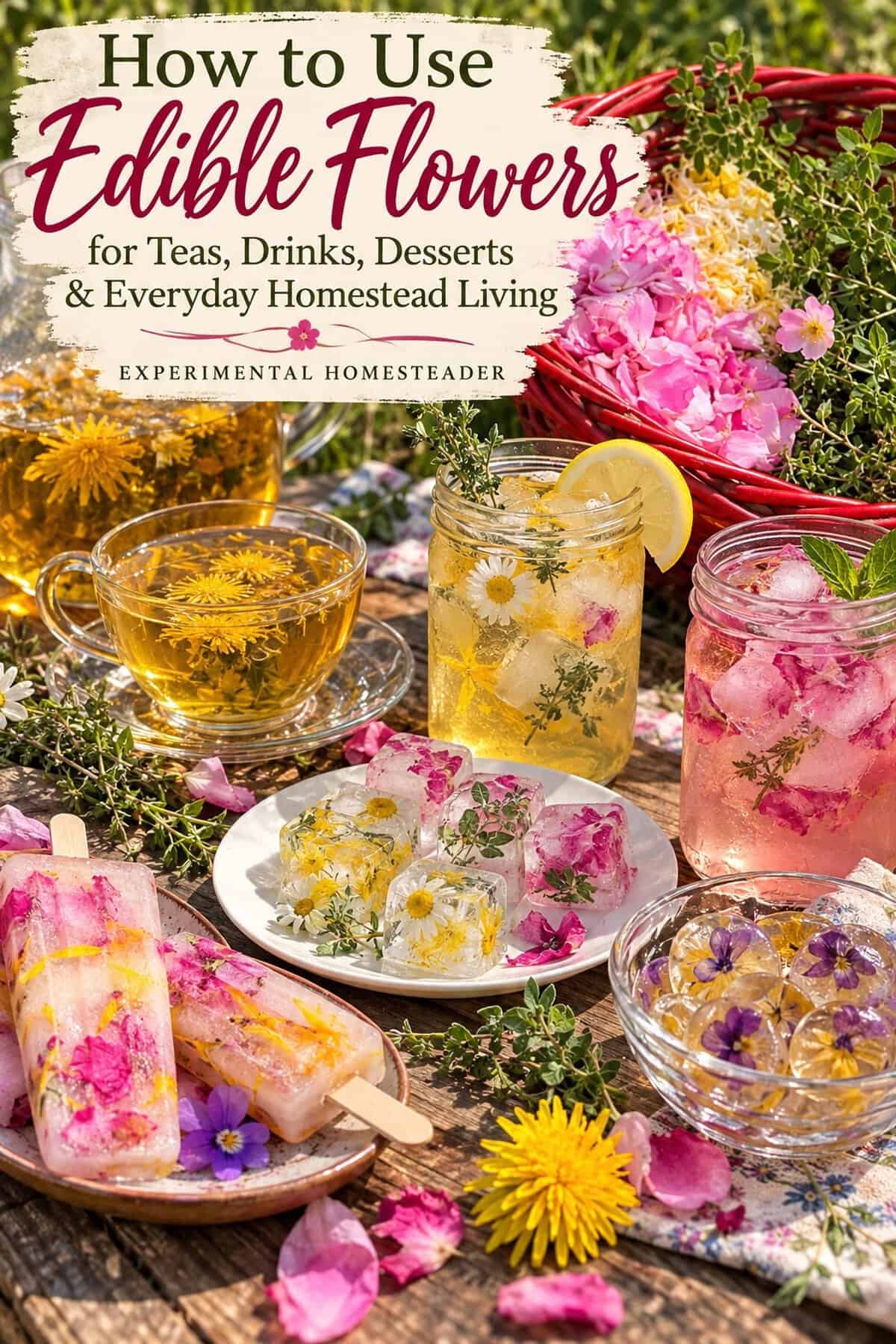
Flower Ice Cubes for Drinks
For the clearest cubes, start with a tray that makes large cubes rather than crushed ice. Tiny petals may float, so the two-stage freezing method helps hold them in place. Keep each flower small enough that the ice still fits comfortably into the drinking glass. If you are preparing for a party, make the cubes a day ahead and transfer them to a covered freezer container once frozen so they do not pick up freezer odors.
For one standard 12-cube tray, gather 12 small edible blossoms or 12 to 24 individual petals and enough potable water to fill the tray, usually around 1 to 2 cups depending on cube size. Rinse and dry the flowers carefully. Add a shallow layer of water to each compartment and freeze until firm, position the petals on the ice, cover with a little more water and freeze again. Finally fill each compartment, leaving room for expansion, and freeze solid. The layered approach reduces floating and keeps the flowers more visible. If the flowers shift between layers, use less water during the second pour.
Serve the cubes in water, sparkling water or another drink that suits the flower's flavor. Label the flowers if you are serving guests and avoid using unfamiliar blossoms as decoration that people may accidentally eat.
How to Make Flower Popsicles
For six small popsicles, start with approximately 2 cups of chilled lemonade or another light-colored fruit drink and 1 to 2 tablespoons of small, clean edible petals. Divide the petals among six clean molds, then add the liquid, leaving the expansion space recommended by the mold manufacturer. Insert the sticks and freeze until completely firm, usually at least 4 to 6 hours depending on mold size and freezer temperature. To release, briefly run the outside of the mold under cool water rather than pulling hard on the stick. This is a suggested starting formula, not a claim about a previously tested personal recipe.
A light-colored liquid shows off the flowers best, while a strongly flavored fruit base can overwhelm delicate floral notes. Keep the popsicles frozen until serving and identify the flowers for anyone who will eat them.
Edible Flowers in Homemade Lollipops
Clear candy makes flowers visible, but working with hot sugar requires more care than freezing or garnishing. Use a reliable hard-candy recipe and heatproof candy molds, keep children away from boiling syrup and make sure any edible petals are completely dry before adding them.
Do not drop wet flowers into hot sugar, which can sputter. If you have never made hard candy, practice the candy recipe without flowers first. This is a project for cooks comfortable handling very hot syrup, not the easiest starting point for edible flowers.
Candied Flowers and Petals
Traditional candied violets and petals make attractive cake decorations. Begin with clean, fully dry, correctly identified flowers. Use a food-safe candying method and an appropriate coating, then allow the flowers to dry thoroughly before storing or serving.
Many older methods use raw egg white, which is unsuitable for some people and carries food safety considerations. Choose a suitable pasteurized or egg-free preparation when needed, and do not assume homemade candied flowers are shelf-stable without a reliable method and storage guidance.
Flower Jellies and Chilled Gelatin Desserts
A chilled gelatin dessert can hold edible petals in suspension and is different from a home-canned jelly. Prepare the gelatin according to its package or recipe, cool it sufficiently before adding suitable flowers and refrigerate until set. Serve cold and follow the recipe's storage limits.
For a specific garden-to-kitchen example, see my rose petal jelly recipe. For canned flower jelly, use an established tested recipe and do not change its flower infusion, acid, sugar or processing instructions. Adding a handful of extra flowers to a shelf-stable recipe is not the same as garnishing a refrigerated dessert.
Cake, Cupcake and Frosting Decorations
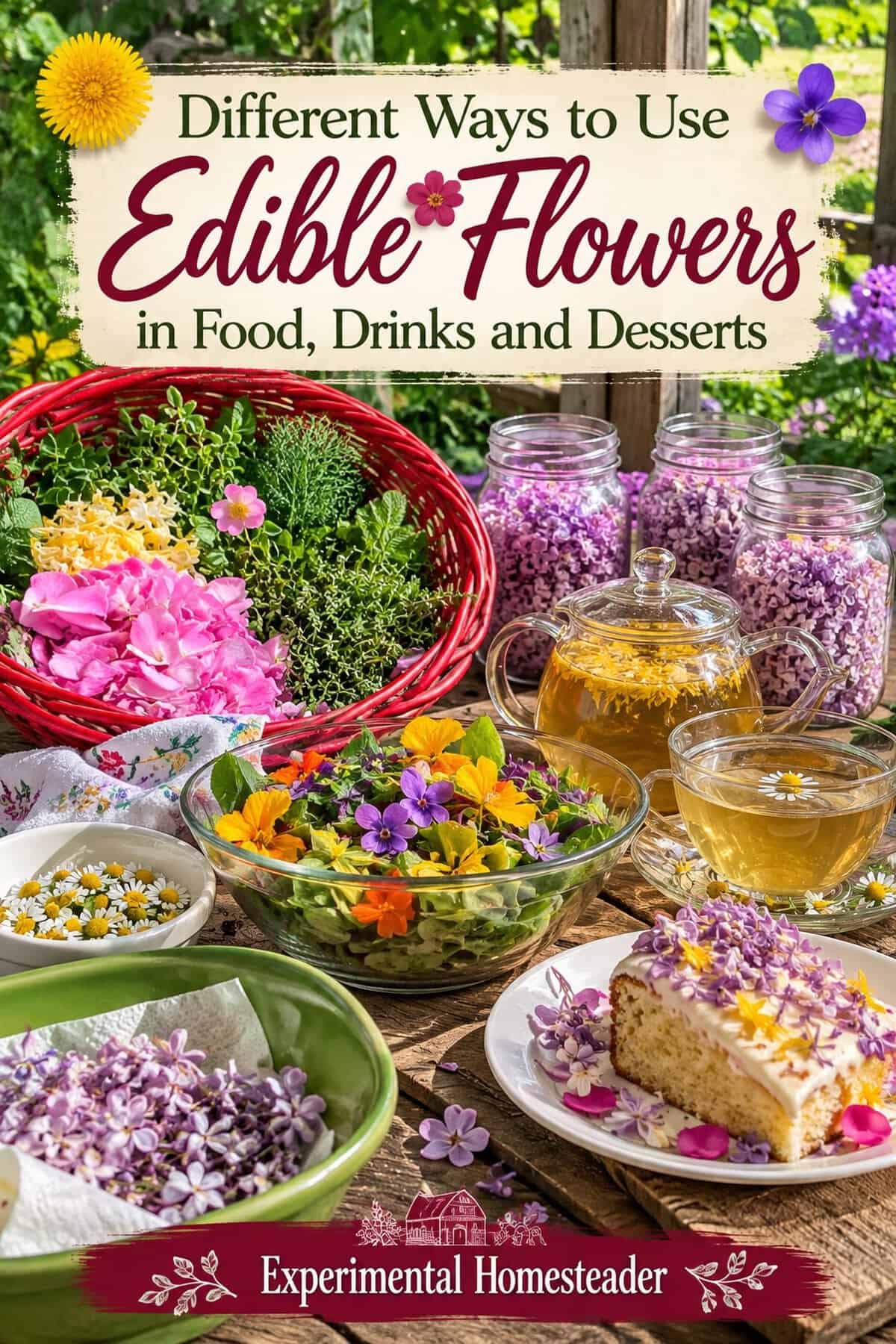
A few fresh edible blossoms can make a simple frosted cake look special, but the arrangement matters as much as the flowers. Start with a completely cooled cake and finished frosting. Place the largest suitable edible blossoms where you want the eye to land, then use individual petals to connect the arrangement rather than covering every inch of frosting. Add them close to serving time, after confirming the plant and removing any inedible parts. Keep stems or florist wires out of food and do not use flowers that were grown or treated for ornamental display. If you are transporting the cake, carry the prepared flowers separately and decorate at the destination to avoid bruising.
For a cake decorating project with detailed assembly instructions, see my Wilton castle cake tutorial. For cupcakes, a small blossom or several separated petals can be easier to eat than a large flower. Culinary rose or lavender can also be used in a suitable frosting recipe, but taste the flavoring before spreading it over an entire cake.
Edible Flower Cookies
A familiar sugar cookie dough is a good place to experiment with petals, but delicate flowers can brown or lose color in the oven. Press small, dry edible petals gently onto the surface of prepared cookies and test a few before decorating the whole batch.
If appearance matters more than baking the petals into the dough, use a suitable frosting or glaze after the cookies cool and add edible flowers shortly before serving. This avoids exposing delicate petals to prolonged oven heat.
Cheese Boards, Appetizers and Savory Platters
For a quick garden appetizer, spread softened cream cheese or another favorite soft cheese on crackers or small pieces of toast, then finish each serving with a little chopped fresh herb and one or two clean edible petals. Peppery nasturtiums work differently from fragrant roses, so match the flower to the food instead of mixing every blossom you have into one platter. Keep a separate small bowl of identified edible flowers nearby so guests know exactly what is on their food.
Place clean nasturtium blossoms near a savory cheese spread, or scatter a few chive florets over soft cheese. For more ways to prepare the flowers and leaves, read How to Eat Nasturtiums, or try my nasturtium butter. Keep flowers that are meant to be eaten on the food itself and avoid using unidentified garden material as decoration.
Add flowers immediately before guests arrive, and keep perishable cheeses and spreads appropriately chilled. For more substantial edible-flower ideas, see my edible flowers for fall recipes and homemade gifts.
From the garden to your kitchen
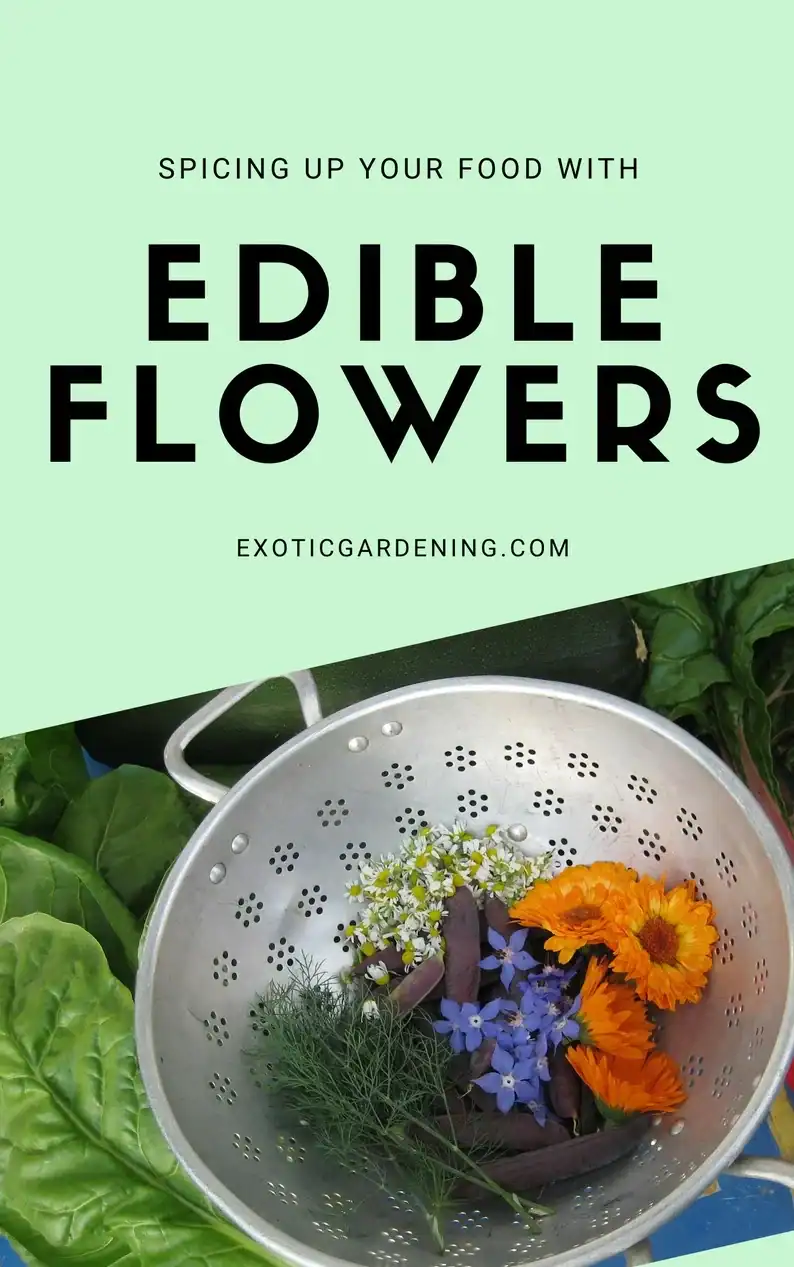
Turn Your Edible Flowers Into Something Delicious
Want more ideas for using your edible-flower harvest? Explore my Spicing Up Your Food With Edible Flowers Quick Guide.
Floral Syrups, Mocktails and Cocktails
A flower-flavored syrup is one of those small kitchen projects that can turn an ordinary glass of sparkling water or lemonade into something you look forward to making again. If you have the LEVO available, it gives you another way to explore floral infusions. I discuss the machine and its everyday uses in my LEVO II+ review.
Start by choosing a flower you have positively identified as edible and think about the drink you want to make. Rose can suit fruit drinks, while culinary lavender has a much stronger flavor, so I would start with a small batch rather than trying to make enough syrup for the entire summer.
For a LEVO project, begin with a recipe intended for your particular LEVO model and the edible flower you are using. Follow the machine's preparation, infusion and cleaning instructions, and use the syrup recipe's specified ingredient amounts and storage directions.
The LEVO is a tool for infusing flavor, not a guarantee that the finished syrup is safe to store at room temperature. Keep homemade syrup refrigerated according to the recipe, and do not assume that adding sugar makes it shelf-stable.
When your syrup is ready, pour a little sparkling water into a glass, add a small amount of the floral syrup and stir. Taste before adding more. That first sip tells you whether the flavor is too faint, just right or stronger than you expected. If you like it, try the same syrup in lemonade or another drink that complements the flower.
Make notes about the flower, the recipe and how much syrup you enjoyed per glass. That is how you turn a one-time experiment into something you can confidently serve again.
Begin with a mild concentration, taste before adding more and consider whether the flower is better suited to sweet or savory drinks. A strongly flavored lavender syrup and a delicate rose syrup will not behave the same way.
Flower Teas and Herbal Blends
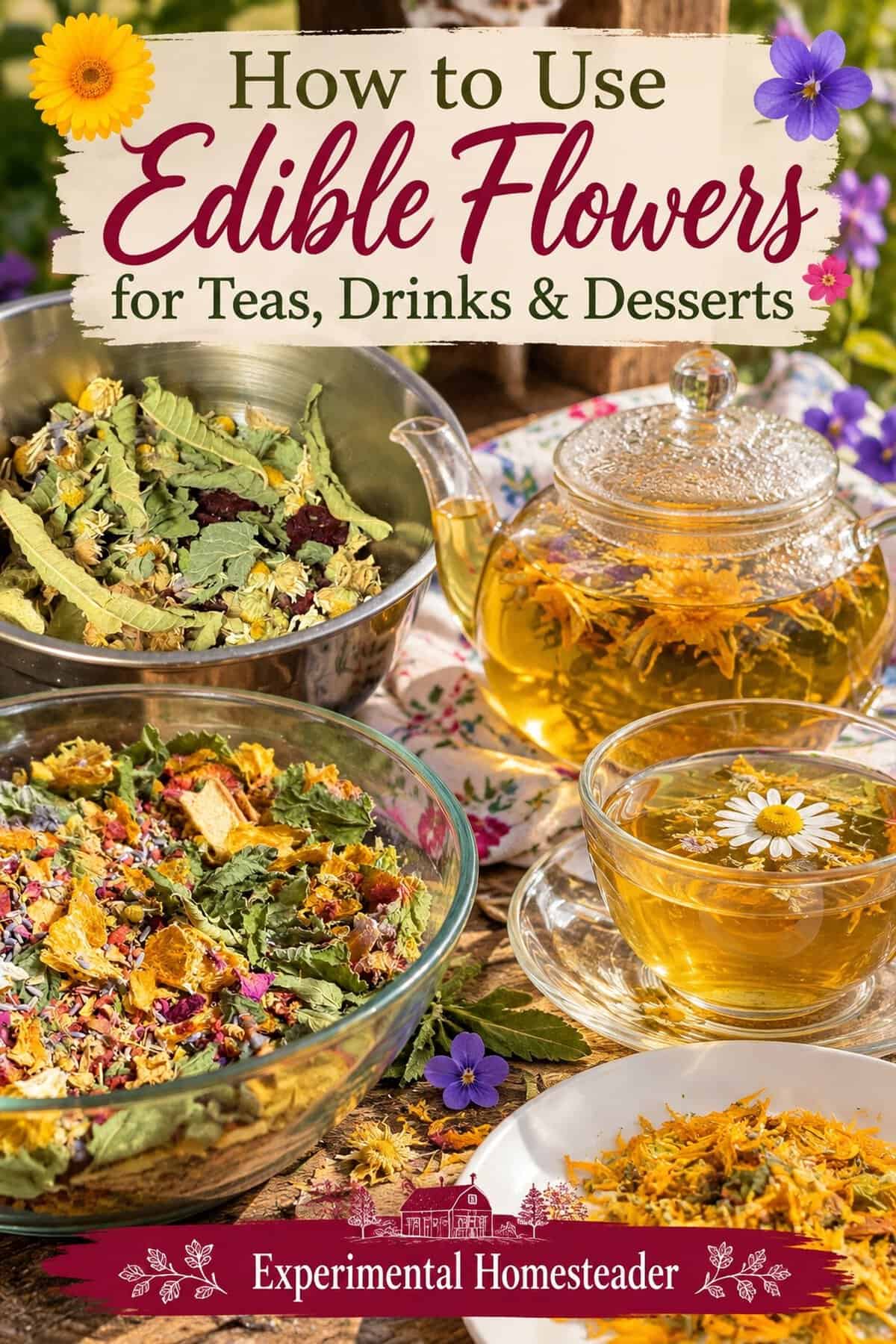
Some flowers, such as appropriately sourced hibiscus or chamomile, are traditionally used for teas. Use ingredients specifically intended for food, follow a reliable preparation method and be cautious about allergies, pregnancy, medications and concentrated herbal preparations.
A tea ingredient should be identified by species and suitable plant part, not selected because it happens to have a pleasant scent. For a broader look at turning harvested flowers and herbs into meals, see Cooking with Edible Flowers and Herbs. Drying an ornamental flower does not automatically make it safe to steep and drink.
Yogurt Parfaits and Simple Desserts
Layer plain or flavored yogurt with fruit and granola, then finish with a small amount of edible petals just before serving. The petals provide color without needing a complicated recipe. Choose a mild flower that suits the fruit and make sure the petals are clean and dry.
For a more substantial dessert, pair a familiar fruit dish with a modest amount of culinary lavender or rose. Keep the edible flower as a supporting flavor rather than allowing it to overwhelm the fruit.
How to Choose Your First Project
Think about when you need the finished food. For something you can serve within minutes, choose a salad, cheese spread or decorated dessert. For a gathering later in the week, frozen cubes are more forgiving than fresh garnishes. Flowers that are especially fragrant may be better in a carefully measured syrup or tea than piled on a plate, while sturdy blossoms are easier to arrange than petals that bruise when handled.
If you have only a few flowers, garnish a salad or yogurt parfait. For a garden-to-table example, see my herb and rose petal salad. If you want something to make ahead, try frozen flower ice cubes or popsicles. If you are experienced with candy-making, consider lollipops or candied flowers using a reliable method.
If you want to save flowers for later recipes, my guide to drying edible flowers and herbs includes a dehydrator temperature and time chart, storage tips and a beginner-friendly walkthrough. Start with one flower, one recipe and a small batch. Record the variety and amount used, then decide whether the flavor improved the dish. That is how decorative experiments become repeatable recipes.