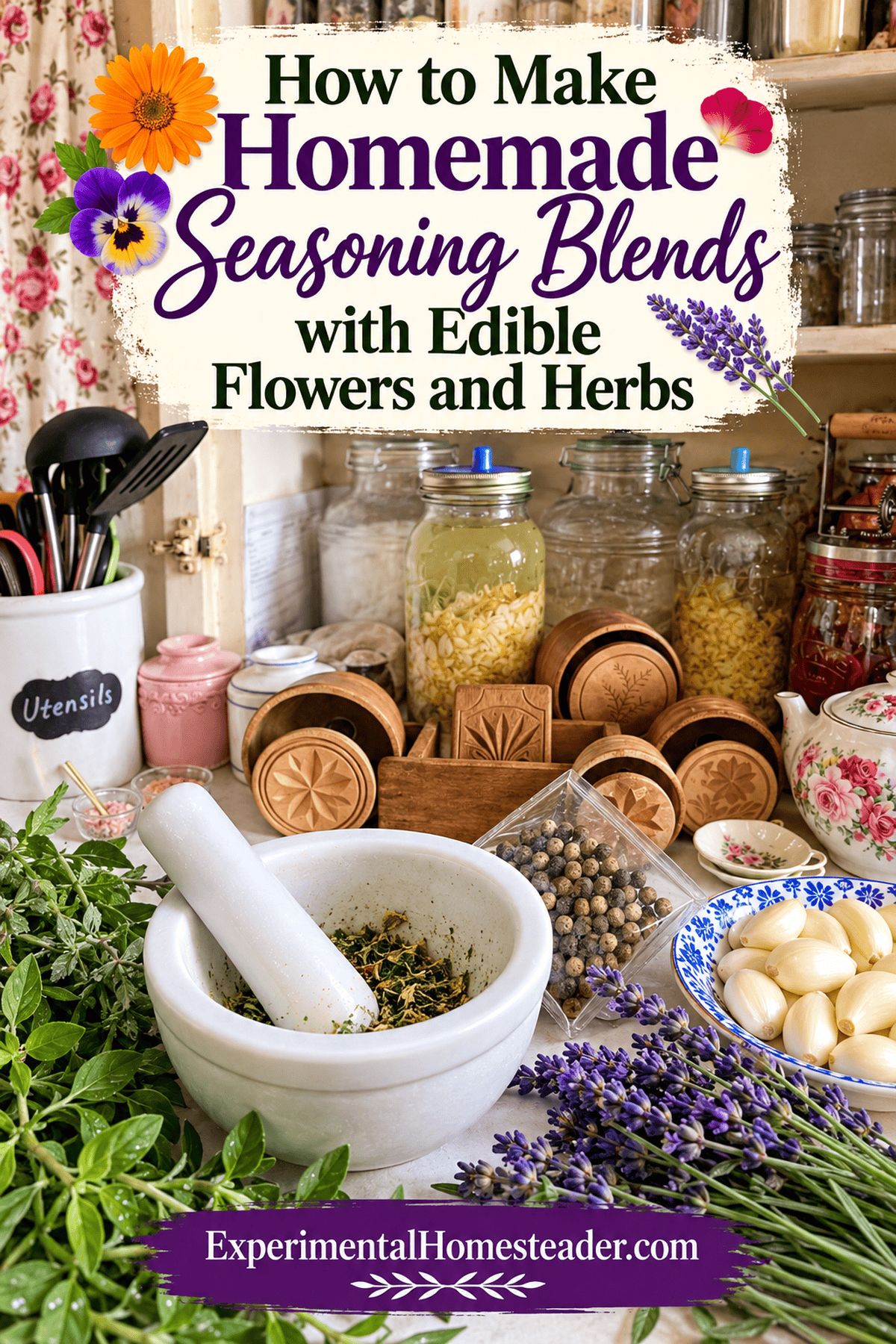
How to Make Homemade Seasoning Blends with Edible Flowers and Herbs
There is something wonderful about opening a jar of seasoning and recognizing the fragrance of herbs you grew, harvested and dried yourself. A pinch of rosemary and thyme can transform a pan of roasted potatoes, while basil and oregano bring familiar flavor to a simmering tomato sauce. Now imagine adding carefully chosen edible flowers to some of those homemade blends, not just for their beauty, but for the flavor they contribute.
You do not need a dozen ingredients or an elaborate herb garden to make something useful. Begin with two or three herbs you know you like, learn how their flavors work together and mix a small batch for a dish you actually cook. Here is how to choose ingredients, dry them properly, measure repeatable combinations and use the results.
In This Article
What Makes a Good Homemade Seasoning Blend?
Before choosing ingredients, picture the plate you are serving. A seasoning that makes roast chicken taste wonderful may be too strong for a delicate vegetable, and a floral mixture that suits a dessert may have no place in beef gravy. Start with one purpose, choose two or three complementary herbs, and make just enough to test. Taste the finished dish before you decide whether the recipe deserves a permanent place in your kitchen.
A useful blend has a job: seasoning potatoes, chicken, tomato sauce, soup or a particular vegetable. Start with the food you want to cook, then select herbs that complement it. A general-purpose Italian-style blend will taste different from a rosemary-and-thyme mixture meant for roasted meat.
Edible petals should contribute a flavor that suits the dish. A small amount of suitable culinary lavender might work in a specialized mixture, while peppery nasturtium leaves are better tested in savory applications. Not every colorful blossom improves a seasoning blend.
Who Should Make Their Own Seasonings?
This is especially rewarding when you are growing herbs in containers or a garden bed, but you can learn the technique with purchased dried herbs too. Choose one recipe your family requests often and experiment with a small batch for that meal. You will learn what each herb contributes, control what goes into the mixture and avoid wasting ingredients on combinations nobody wants to eat.
Home cooks who use the same herbs regularly can benefit from mixing small batches, particularly when they grow and dry their own ingredients. It is also useful for anyone who wants to control salt, avoid an ingredient they dislike or make a thoughtful kitchen gift.
If you are new to edible flowers, first become comfortable with plain culinary herbs. Add flowers only after identifying the exact edible species and understanding its flavor. Guests and gift recipients should receive a full ingredient list.
Which Herbs and Flowers Should You Grow?
If you are unsure where to begin, make a short list of the meals you cook every week. Tomato sauce suggests basil and oregano; roast potatoes suggest rosemary and thyme; pork and savory gravy suggest sage. Grow the herbs that match those meals first. Add edible flowers after you know which species and edible parts you want to use and have a specific food in mind. There is no advantage to filling the garden with ingredients you will never reach for at supper.
Check your pantry and recipes before buying seeds. Oregano and basil are useful for tomato-based dishes; thyme and rosemary work well with potatoes and meats; sage is particularly useful in savory fall cooking; parsley adds a milder green flavor.
You can grow many herbs in garden beds or containers with appropriate light and drainage. Give spreading mint its own container. Match plant choices to your climate and growing space, and keep the food-harvest area free from unsuitable ornamental treatments.
Before adding blossoms to a seasoning jar, review my edible flower safety guide for identification, harvesting and preparation precautions. If you want to experiment with peppery flowers and leaves, my guide to eating nasturtiums is another useful starting point.
When to Harvest and How to Dry Ingredients
For a first homegrown batch, pick one familiar herb and harvest only enough to dry on a small tray. Separate damaged leaves, spread the rest so air can circulate and follow the appropriate drying method for that herb. Allow the finished material to cool and test it for dryness before storing it. If the leaves are still soft or damp, they are not ready for a pantry seasoning jar. Keeping each herb separate until it is completely dry makes it easier to spot problems and adjust the final recipe.
Harvest healthy foliage after dew dries and before severe heat when possible. Remove damaged leaves and dry each herb separately so you can judge its moisture level and flavor. Use a dehydrator or another suitable method until the material is thoroughly dry before mixing.
Do not combine moist fresh garlic, fresh herbs or wet flowers into a jar of shelf-stored dried seasonings. Moisture can cause spoilage. If you want fresh garlic flavor, add it to the dish when cooking rather than to a dry pantry blend.
Equipment and Batch Preparation
Let's do the first batch right on the counter. Put your clean, dry bowl beside the measuring spoons and measure every ingredient into its own little pile before mixing. If the recipe calls for a teaspoon of rosemary, make sure the dried needles are broken into small pieces so nobody bites into a tough fragment. Stir the ingredients, smell the mixture and write down exactly what you used. That note matters when you discover a combination your family loves and want to make it again.
Gather clean, completely dry measuring spoons, small bowls, a funnel, labeled jars and a notebook. Rub or crush dry leaves gently to the texture you prefer, but avoid grinding everything to dust, which makes it harder to judge individual ingredients.
Mix a small test batch first, preferably just a few tablespoons. Record the exact proportions so you can repeat the mixture after tasting it in a real dish.
Print
Basic Italian-Style Herb Blend
A small-batch dried Italian-style herb blend for tomato sauce, pasta and roasted vegetables.
- Yield: 6 ½ teaspoons 1x
Ingredients
- 2 teaspoons dried oregano
- 2 teaspoons dried basil
- 1 teaspoon dried marjoram
- 1 teaspoon dried thyme
- ½ teaspoon dried rosemary, finely crumbled
Instructions
- Make sure all herbs are thoroughly dried and the mixing bowl and jar are clean and dry.
- Crumble the rosemary finely, then measure each herb.
- Stir the herbs together until evenly combined.
- Transfer to a labeled airtight jar and keep in a cool, dark, dry place.
- Start with about 1 teaspoon in a pot of tomato sauce. Simmer, taste and adjust to your preference.

Basic Italian-Style Herb Blend
Try this blend on an ordinary weeknight rather than saving it for a special occasion. Add a small amount to tomato sauce, let the sauce simmer, and taste it with a spoonful of pasta. Does it need more oregano, or is the rosemary already noticeable enough? You can also toss a small portion of vegetables with oil and a pinch of the mixture before roasting. Comparing those two uses helps you decide whether this will become your all-purpose Italian-style seasoning or a blend you keep mainly for sauces.
For a small test batch, combine 2 teaspoons dried oregano, 2 teaspoons dried basil, 1 teaspoon dried marjoram, 1 teaspoon dried thyme and ½ teaspoon dried rosemary, crumbled finely. Stir thoroughly and store in a labeled dry jar. This is a suggested kitchen blend, not a traditional fixed formula.
Begin with about 1 teaspoon of the mixture in a pot of tomato sauce, then taste after simmering and adjust. Add fresh garlic separately while cooking if you want it. A little blend can also season roasted vegetables or a simple pasta dish.
PrintRosemary, Thyme and Sage Savory Meal Herb Blend
A savory dried herb blend for roasted potatoes, chicken, soups and gravy.
- Yield: 4 teaspoons 1x
Ingredients
- 2 teaspoons dried thyme
- 1 teaspoon dried rosemary
- 1 teaspoon dried sage
Instructions
- Make sure the herbs and equipment are completely dry.
- Crush the dried rosemary into small pieces.
- Measure and stir together the thyme, rosemary and sage.
- Transfer to a labeled airtight jar and store in a cool, dark, dry place.
- Start with a modest pinch on roasted potatoes or chicken, then adjust after tasting.
Rosemary, Thyme and Sage for Savory Meals
If you are making a roast with potatoes and gravy, do not automatically use the same quantity of seasoning in every part of the meal. Begin with a little on the meat and potatoes, then taste the gravy separately before adding a small pinch. Sage can be lovely in gravy but too much can dominate the whole plate. Keep the seasoning jar at hand while you cook, and note which dish benefits most from the mixture. Those small decisions turn a recipe into a seasoning that suits the way you actually feed your family.
Mix 2 teaspoons dried thyme, 1 teaspoon dried rosemary and 1 teaspoon dried sage. Crush the rosemary well so there are no long, tough needles. Try a modest pinch on roasted potatoes or use the mixture to season chicken before cooking.
For a pot of soup, add a small amount early, taste as it simmers and adjust. If you prefer using whole sprigs, tie them securely in a cooking-safe bundle and remove them before serving rather than leaving woody stems in the finished dish.
How to Use Edible Flowers in a Blend
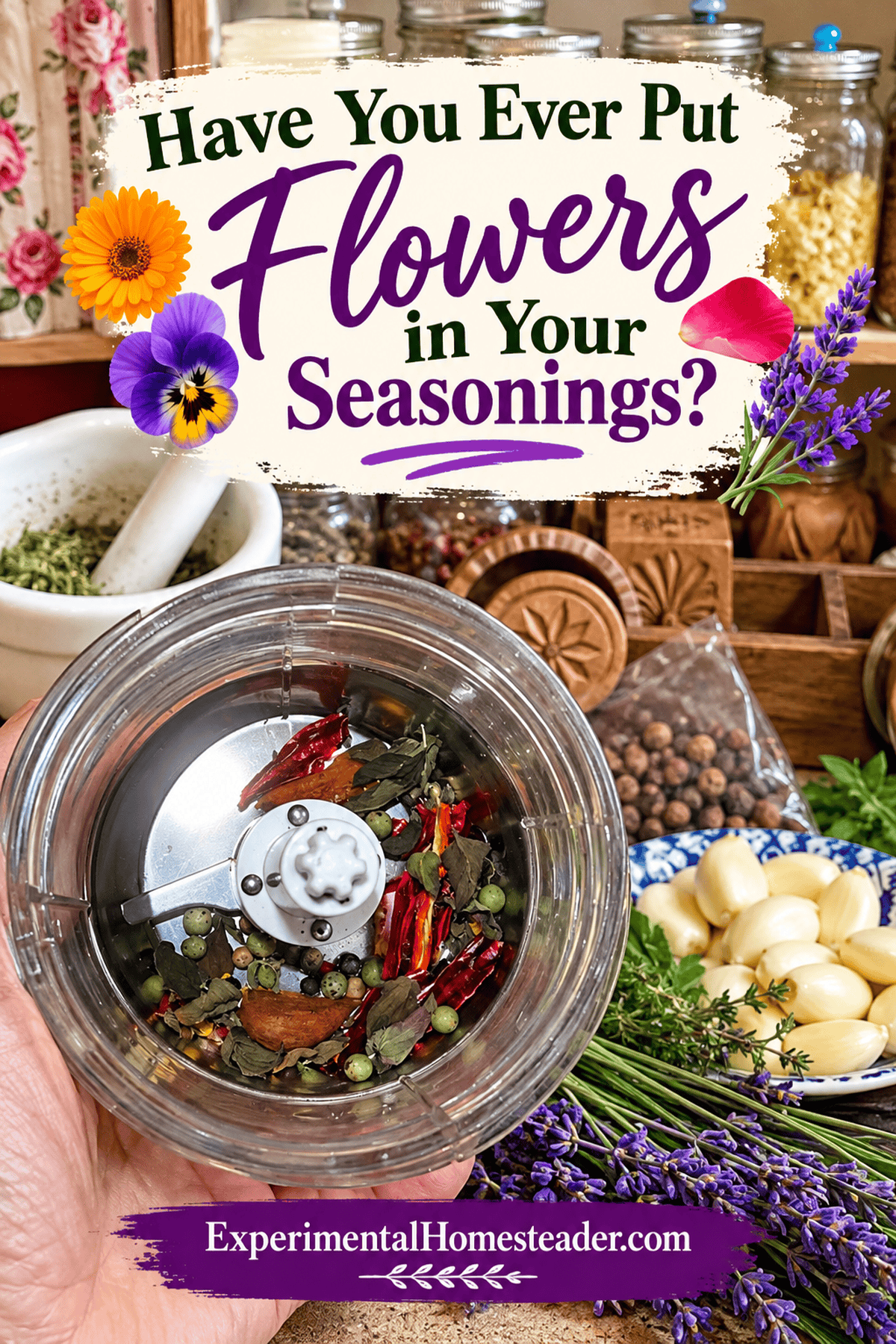
For a beginner, I would not mix dried flowers directly into the entire jar. Place a teaspoon of your finished seasoning in a small dish and add the tiniest pinch of a correctly identified, suitable dried edible flower. Test it on one bite of food and compare that bite with the original blend. If the flower adds something pleasant, record the amount and try another small batch. If it tastes bitter or perfumed, leave it out. Edible flowers should earn their place through flavor, not simply because the petals look pretty.
Start by tasting a tiny amount of the dried, properly identified flower on its own. Decide whether its flavor is floral, spicy, herbal or bitter. Add only a small proportion to a familiar herb blend, then test it on one serving of food before mixing a full jar.
Some flowers lose their attractive color during drying, while others become more concentrated in flavor. The purpose is to make the food taste better, not simply to create a decorative mix. Label every flower by its specific name and edible part.
Seasoning Ideas for Potatoes, Chicken and Vegetables
Here is a simple way to experiment without risking dinner. Cut a few extra potatoes into even pieces and place them on one end of the roasting pan. Season those with a small pinch of your new blend while leaving the others with your usual seasoning. When everything is cooked, compare them side by side. Do the same with a small serving of cooked vegetables. You will know whether you want more thyme, less rosemary or a different mixture entirely before seasoning a full family-sized batch.
For roasted potatoes, toss cut potatoes with oil and a modest amount of rosemary-thyme seasoning before roasting. Add salt separately to taste. For chicken, use thyme and sage as part of your usual seasoning and cook the chicken to a safe internal temperature.
For roasted carrots or other vegetables, try a small amount of thyme or parsley-based seasoning. Taste before increasing the amount, because dried herbs can become more prominent during cooking.
Bouquet Garni Versus Dry Seasoning Mixes
Think about what you want the finished food to look and feel like. In a clear broth, you may prefer a removable bundle of herbs so the liquid stays smooth. In tomato sauce, on potatoes or on roasted chicken, crushed herbs can stay in the dish and contribute both flavor and texture. If you are using bay leaves or woody herb stems in a bundle, remember to remove them before serving. Once you understand that distinction, choosing between a bouquet garni and a dry blend becomes a practical cooking decision.
A bouquet garni is a bundle or sachet of herbs placed into soup or stew during cooking and removed before serving. It is useful when you want herb flavor without loose leaves throughout the finished dish.
A dry seasoning blend is different: the crushed herbs remain in the food. Choose the method that fits the texture of your recipe. Whole bay leaves and woody stems should be removed before serving.
For a broader look at keeping garden harvests for later use, see my home food preservation methods guide. Keep seasoning blends completely dry and label every jar with its ingredients and preparation date.
Get Your Free Edible Flowers Starter Guide | Explore the Edible Flowers Quick Guide in the Shop
Storing and Gifting Homemade Blends
If you plan to give a blend as a gift, imagine the recipient opening it on a busy evening. A label that says 'rosemary, thyme and sage seasoning' is helpful, but a note suggesting a small pinch on roasted potatoes or chicken is even better. Include the full ingredient list, particularly when edible flowers are involved, and identify each flower clearly. Keep the jar dry and airtight until you give it away. A thoughtful homemade gift should be easy to use, not another mystery jar in somebody else's cupboard.
Keep the finished blend in an airtight, food-safe container away from light, heat and moisture. Label the ingredients, date and intended use. Make batches small enough to use while the herbs still smell fresh.
For gifts, include a full ingredient list and a practical suggestion such as 'start with 1 teaspoon in tomato sauce.' Do not promise that a homemade blend is allergen-free unless you can verify every ingredient and handling step.
Troubleshooting and Adjusting Flavor
Try changing just one ingredient between batches. If rosemary overwhelms the first version, keep the thyme and sage amounts the same and reduce only the rosemary. Cook the same kind of food again so you have a fair comparison. If the herbs seem weak, check whether they still have a pleasant aroma before adding more. This kind of simple kitchen testing saves ingredients and teaches you why one mixture works while another does not. You are building a recipe you can rely on, not guessing every time you open the jar.
If rosemary overwhelms a blend, reduce its proportion next time. If the mix tastes flat, check the age and aroma of the dried herbs before adding more. If a floral addition tastes perfumed or bitter, leave it out or use much less.
Keep a simple notebook of batch ratios and the meals where you used them. That is more valuable than filling a cupboard with jars you never reach for.
Let's Make a Seasoning for Tonight's Supper
Choose one meal before choosing your herbs. For roast chicken, combine two teaspoons dried thyme, one teaspoon dried rosemary and one teaspoon dried sage in a small dry bowl. Crumble the rosemary so the pieces are not tough, stir the mixture thoroughly and smell it. Use a modest pinch on a small portion of chicken or potatoes first, then decide whether you like the balance. A beginner does not need to make a huge jar. You need enough to learn what works, write down the measurements and try it again.
Now think about the rest of supper. Rosemary and thyme can flavor roasted potatoes, a tiny pinch of sage can complement gravy, and a milder herb can season carrots or green beans. For beef, pork or soup, adjust the proportions to suit the dish rather than treating one blend as the answer to every meal. Add salt separately so you can control the final seasoning. Once you know which mixture your family enjoys, make a little more and label it. That is how a kitchen staple begins.
Let's Experiment with Edible Flowers
Before adding dried edible flowers to a whole jar, make a tiny test. Positively identify the flower and edible part, then taste a little of the properly dried material. Put one teaspoon of a familiar herb blend into a small bowl and add just a pinch of the flower. Try the mixture on one bite of food and compare it with the plain seasoning. Does it improve the flavor, or does it make the food taste bitter or perfumed? Either answer tells you something useful.
Culinary lavender may have a place in a carefully chosen specialty mixture, but it can overwhelm savory food. Some flowers work better in desserts, teas or drinks than on meat and potatoes, and there is nothing wrong with keeping them for those uses. Write down the flower, the amount and the food you tested. The goal is a seasoning you genuinely want to cook with, not simply a colorful jar.
Frequently Asked Questions About Homemade Seasoning Blends
Can I make a seasoning blend with store-bought dried herbs? Yes. Use familiar dried culinary herbs to practice measuring and tasting. When your garden harvest is ready, you can replace purchased herbs with ones you grew and dried yourself.
Should I add salt to every homemade blend? No. Keeping salt separate gives you more control when seasoning chicken, potatoes, gravy or vegetables. Taste the finished dish before deciding how much it needs.
Can I add fresh garlic or fresh flowers to a pantry seasoning jar? No. Fresh ingredients introduce moisture into a mixture meant to stay dry. Add fresh garlic or flowers when you cook, and keep shelf-stored blends made from thoroughly dried suitable ingredients.
How much seasoning should a beginner use? Start with a small pinch on one serving and taste the cooked food. Dried herbs vary in strength, so it is easier to add more next time than to rescue an over-seasoned meal.
How do I know whether a dried edible flower belongs in a blend? Identify the edible plant and plant part, taste a tiny amount and test it in a single serving. If it does not make the food better, leave it out.
How should I store homemade seasoning blends? Use clean, completely dry, airtight food-safe containers, label the ingredients and date, and keep the jars away from light, heat and steam. Discard blends that become moldy, damp or musty.
Want a free starting point for using edible flowers in your kitchen? Get my Edible Flowers Starter Guide and join my Experimental Homesteader email list. For additional recipes and ideas, you can also explore my Edible Flowers Quick Guide.
For more ways to put your harvest to work, see how to dry edible flowers and herbs for cooking and storage and cooking with edible flowers and herbs.
Bring the Garden to the Dinner Table
A good homemade seasoning blend should earn its place in your kitchen. Begin with the meat, potatoes, gravy and vegetables you already make, then choose herbs that make those foods taste even better. When you are comfortable with your first few mixtures, experiment with edible flowers in dishes where their flavors belong. You do not have to get everything perfect on the first try. Start with one small batch, make supper, take notes and enjoy knowing you made something useful from the garden. Which dish would you like to season first?