How to Eat Nasturtiums: Flowers, Leaves, Salads and Easy Kitchen Ideas
What if the bright orange, yellow and red flowers spilling out of your garden weren't just something pretty to look at, but something you could bring straight to the supper table? Nasturtiums have a surprise waiting for anyone who has only grown them for their flowers. Take a bite of a tender leaf or a fresh petal and you'll discover a peppery flavor that can wake up an ordinary salad, give homemade butter a little bite and turn a simple cheese appetizer into something guests will ask about.
And you don't need a huge harvest to try them. A few blossoms picked before supper are enough to get started, but there is more to using nasturtiums than scattering flowers over a plate and hoping for the best. Which parts can you eat? Do the leaves taste like the flowers? When should you pick them, and how do you get them clean without bruising those delicate petals? I'll show you how to take nasturtiums from the garden to the kitchen, including a tomato, feta and caper salad you can make tonight, along with other ways to use the flowers and leaves you worked to grow.
In This Article
What Nasturtiums Are Edible?
The familiar garden nasturtium, Tropaeolum majus, is edible. That includes the common bush and trailing varieties grown for their rounded leaves and bright yellow, orange, red or cream-colored flowers. Named garden varieties such as 'Alaska,' 'Empress of India,' 'Jewel Mix' and 'Peach Melba' are forms of this edible species, so you do not need a special variety marketed for cooking. Both the flowers and leaves can be eaten, and the young, still-green seed pods can be used in appropriate culinary preparations. The mature, hard seeds are not used in the same way as the tender pods.
Other plants in the same genus, including Tropaeolum minus (dwarf nasturtium), Tropaeolum peregrinum (Canary creeper) and Tropaeolum tuberosum (mashua), also have documented food uses, although the parts eaten and methods of preparation differ. For the fresh flower and leaf recipes in this article, I am talking specifically about common garden nasturtiums, Tropaeolum majus. If you are buying seeds to grow edible flowers for the first time, look for that botanical name on the packet.
Not every plant with "nasturtium" in its name is the same plant. Watercress has the botanical name Nasturtium officinale and is a different edible species. Nor should you assume that an unidentified ornamental flower is safe simply because it looks similar to a garden nasturtium. Check the botanical name and the growing history before putting any flowers or leaves on your plate.
Garden nasturtiums are particularly useful for home cooks because you can harvest more than one edible part from the same plant. A gardener who only has a container on a porch can pick a few leaves for lunch, a few blossoms for supper and, later in the season, notice the green seed pods forming after the flowers fade. You do not need a separate bed of herbs or a large harvest to make them worthwhile. What you do need is a reliable plant identity and an understanding of how each part behaves in food.
Which Nasturtiums Should You Choose?
For most beginners, a labeled seed packet of garden nasturtium, usually Tropaeolum majus, is the easiest choice. Bush types stay comparatively compact and suit larger pots and edging, while trailing or climbing forms can spill over the sides of containers or spread through a bed. Choose based on your space rather than assuming one flower color will taste better than another. A packet that clearly identifies the species is more useful for an edible garden than an unlabeled ornamental plant. The genus Nasturtium is also used botanically for watercress, so rely on the actual plant identity rather than a common name alone.
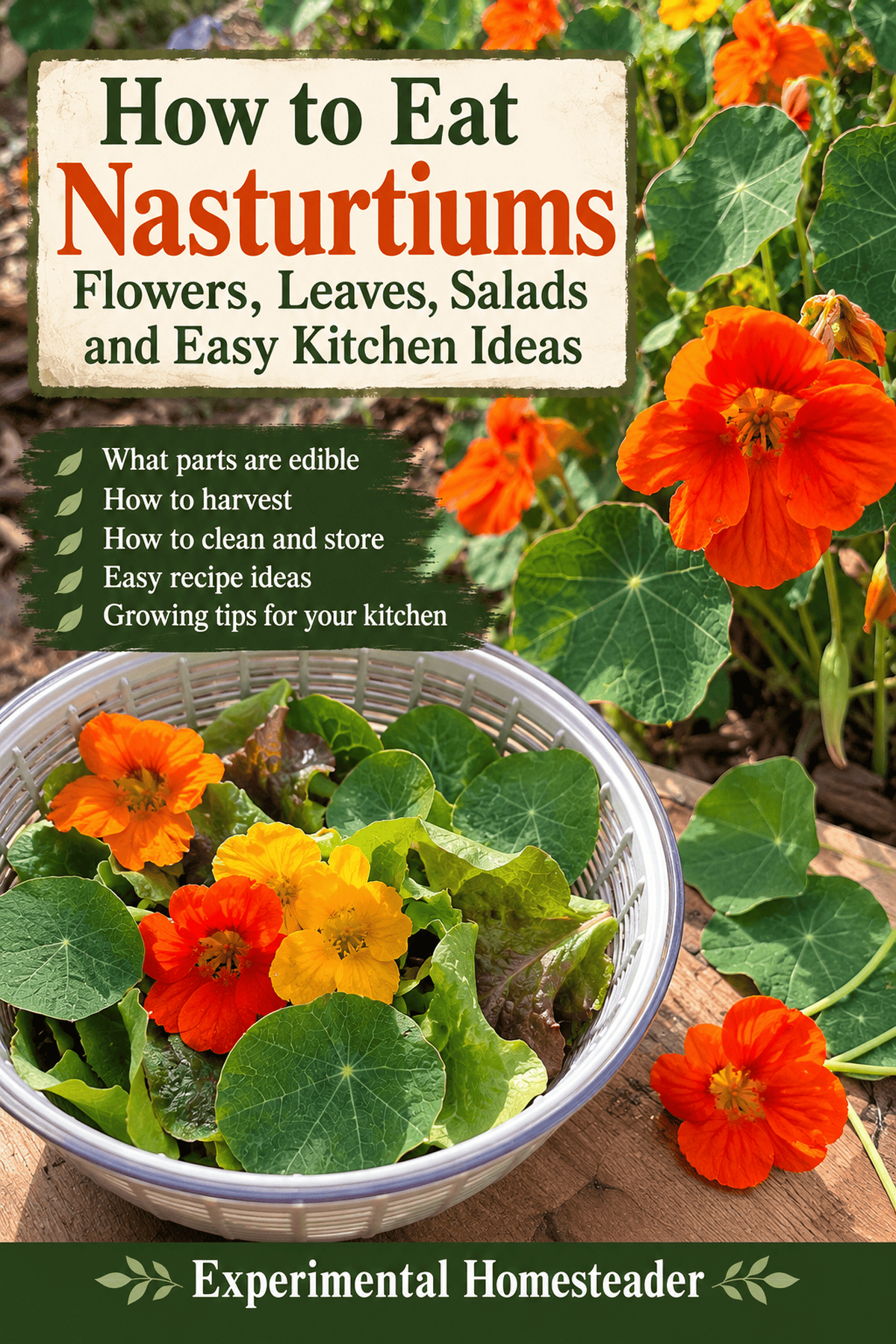
Flowers, Leaves and Green Seed Pods: Which Part Goes Where?
Use tender leaves when you want the peppery taste mixed through a dish, as you might use arugula. Use flowers when you want both flavor and a visible finishing touch. Their delicate texture makes them more suitable for adding after cooking than simmering for a long time. The immature seed pods are firmer and more pungent, and their best-known culinary use is a caper-style preparation. Because pickling introduces food-preservation questions, it deserves a recipe of its own instead of a casual instruction to cover pods with vinegar and put them on a pantry shelf.
The familiar garden nasturtiums grown for their round leaves and bright yellow, orange or red flowers are usually varieties of Tropaeolum majus or related edible Tropaeolum plants. Their leaves and flowers are eaten fresh, and the immature green seed pods also have culinary uses when properly prepared. This is not the same plant as watercress, which is sometimes called nasturtium in botanical naming. Check the plant label or seed packet so you know exactly what you are growing.
For a beginner, the flowers and tender leaves are the easiest parts to use. The flowers have a mild-to-noticeable peppery flavor, while the leaves can taste sharper, especially when they are mature. The small green seed pods have a stronger bite and are sometimes pickled as a caper-style condiment. If you want to experiment with them, use a tested recipe for the intended storage method rather than assuming a homemade pickle is safe to store on the shelf.
Who Should Be Careful About Eating Nasturtiums?
People with known allergies to nasturtiums or related plants, anyone who has reacted to edible flowers before, pregnant or breastfeeding people considering medicinal amounts, young children, and people with medical conditions or medications that make herbal preparations a concern should be especially cautious.
There is a difference between eating a few correctly identified petals in a salad and taking concentrated extracts, large quantities of leaves or homemade medicinal teas. Culinary use does not establish that a plant is safe as a treatment or supplement.
People with Food or Plant Allergies
If you have had an allergic reaction to nasturtiums, do not eat them. If you have reacted to other flowers or plants, do not assume nasturtiums will be safe just because they are edible for many people. Someone trying them for the first time should start with a small amount rather than eating an entire serving. Stop eating them if you develop itching, hives, mouth irritation or other symptoms. Difficulty breathing, throat swelling or faintness after eating any food requires emergency medical attention.
Pregnant or Breastfeeding People
There is not enough dependable safety information to recommend nasturtium extracts, medicinal teas or large medicinal doses during pregnancy or breastfeeding. That is different from a small culinary garnish, but if you are unsure whether eating the plant is appropriate for you, ask your maternity care professional before trying it. Do not use nasturtium as a home treatment for an infection during pregnancy.
People Taking Medication or Managing a Medical Condition
Anyone taking regular medication or managing kidney problems or another significant medical condition should check with a healthcare professional before using nasturtium supplements, concentrated preparations or medicinal teas. Do not substitute the plant for prescribed treatment. A few petals used as food are not the same exposure as drinking repeated cups of an herbal infusion, and claims about traditional medicinal use are not proof of safety or effectiveness.
Young Children and Anyone Trying Edible Flowers for the First Time
Children should only be served flowers that an adult has positively identified, cleaned and prepared, and they should be supervised while eating. Offer an age-appropriate small portion rather than a whole blossom to a very young child. Adults new to edible flowers should also begin with a small taste to learn the flavor and check for sensitivity.
Anyone Who Cannot Confirm How the Flowers Were Grown
This caution applies to everyone, even if they have eaten nasturtiums for years. Do not eat flowers from a florist, roadside planting or ornamental nursery container unless you can verify the plant's identity and that any products used on it were suitable for edible crops. Rinsing flowers does not reliably remove all pesticide residues. When you do not know what has been sprayed, leave the flowers off the plate and grow your own from labeled seed instead.
Only eat plants you can positively identify and that were grown for food without treatments unsuitable for edible crops. Do not pick flowers from florist arrangements, roadside plantings or garden-center pots when you do not know their spray history. If you have a plant allergy, sensitivity to edible flowers or a medical reason to avoid unfamiliar foods, ask an appropriate healthcare professional before trying them. Give children only correctly identified, cleaned flowers under adult supervision. As with any new food, begin with a small taste.
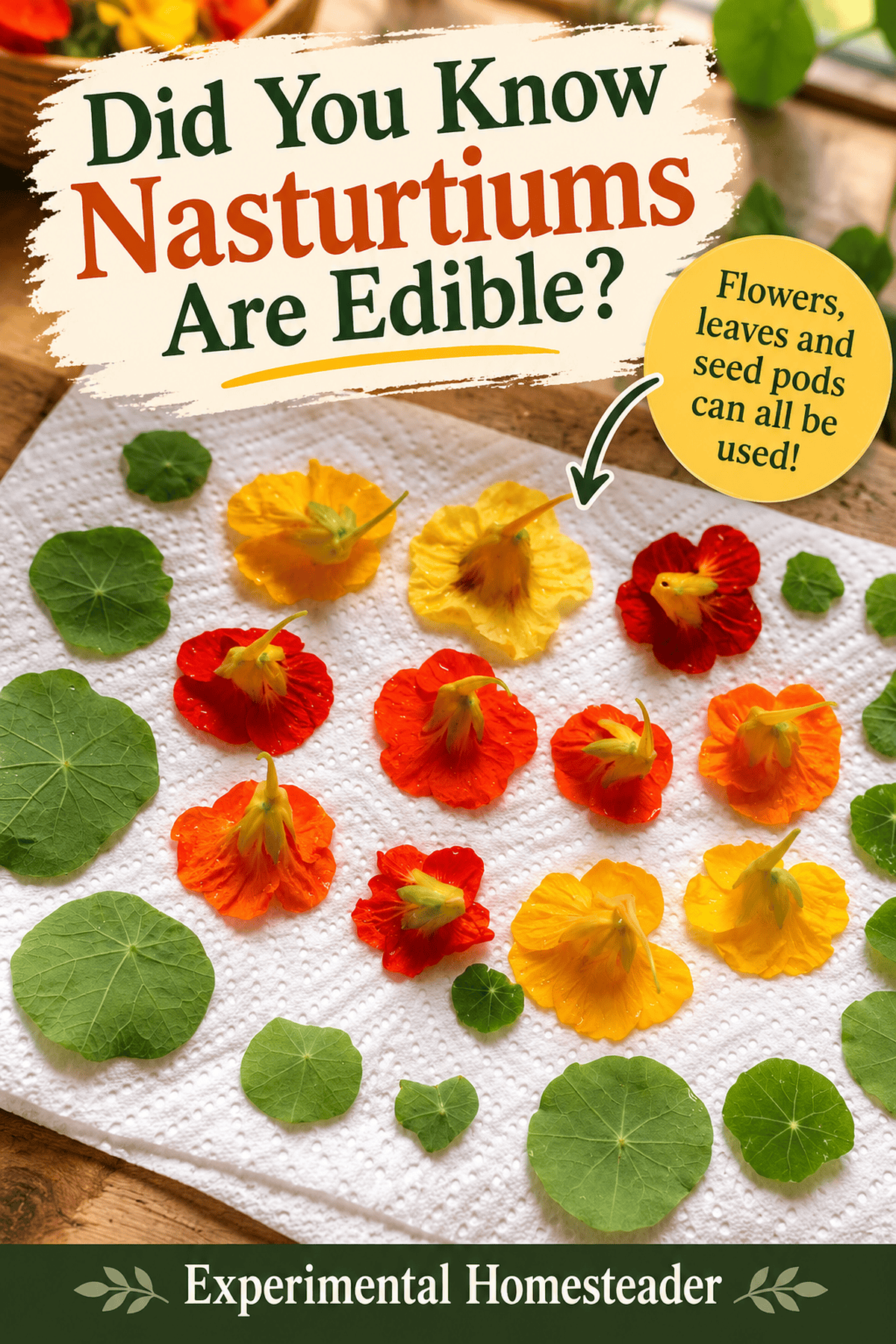
What Do Nasturtium Flowers and Leaves Taste Like?
If you like the peppery edge of watercress or arugula, you may enjoy nasturtiums. Their flavor is often described as peppery or mustard-like, but it can vary with the plant, the age of the leaf and growing conditions. A tender young leaf may be pleasant tucked into a sandwich, while an older leaf can be too strong if you use a large handful. Flowers offer a gentler way to experiment because you can add just a few petals at a time.
That flavor tells you where nasturtiums belong in the kitchen. They work particularly well with mild, rich foods such as butter, cream cheese, goat cheese and eggs for people who eat them. They also bring contrast to tomatoes, cucumbers and salad greens. I would not start by adding a large quantity to a delicate sweet dessert. Taste a clean petal first and decide whether the peppery note is what that dish needs.
Should You Use the Whole Flower or Just the Petals?
For salads and garnishes, you can use a correctly identified, clean whole flower after removing the stem and checking carefully for insects. If you prefer a lighter texture or need smaller pieces, separate the petals. For butter or spreads, chopping petals makes them easier to distribute. Remove any tough or damaged parts and avoid adding wet flowers to butter or cheese because the extra moisture affects the texture.
When and Where to Harvest Nasturtiums for Eating
Harvest nasturtium flowers and leaves from healthy, positively identified plants in your own untreated food garden or containers, preferably in the morning after the dew dries. You can begin picking flowers once the plants are blooming and take tender leaves as the plants become established. Continue harvesting throughout the growing season while the foliage and flowers remain healthy. In areas with freezing winters, that usually means from summer into fall, until frost damages the plants. Do not assume flowers from a florist, roadside display or recently purchased ornamental container are suitable for eating.
Where Is It Safe to Pick Nasturtiums?
The best place is a garden bed, hanging basket or container you planted yourself, because you know which seeds or plants went into it and whether any pesticides or other treatments have been used. You can also harvest from someone else's food garden if they can confirm the plant's identity and growing history. Avoid roadside plants, public landscaping, sprayed ornamental beds and any flowers growing where runoff or other contamination is a concern. A flower can look perfectly healthy and still be unsuitable for the kitchen if its treatment history is unknown.
When Is the Best Time of Day to Harvest?
Go out after the morning dew has evaporated but before the strongest heat of the day. The petals are less likely to be limp than they are after a hot afternoon, and dry flowers are easier to handle without bruising. If you are making supper, you can harvest later in the day as long as the blossoms are fresh, dry and healthy. After a heavy rain, give the plants time to dry and inspect the flowers for damage. Avoid picking flowers already wilted by heat, bruised by wind or injured by frost.
Which Stage of Growth Is Best?
For whole-flower garnishes, choose newly opened blossoms that hold their shape and have bright, undamaged petals. For salads and sandwiches, select younger, tender leaves rather than large, leathery or yellowing ones. If you are interested in the immature seed pods, look for the small, firm green pods that form after flowering rather than hard, mature seeds, and use a recipe appropriate to that ingredient. You can pick modestly and often during active growth, but leave enough healthy foliage for the plant to keep producing.
What to Look for Before You Pick
Walk around the plant before you harvest. Check the underside of leaves and the center of flowers for aphids and other insects, and look for discoloration, mold, chew damage or signs that the plant is stressed. A small amount of ordinary insect activity is not unusual in a garden, but heavily infested or damaged pieces are not what I would bring into the kitchen. Choose tender leaves that are fully green and blossoms that have opened without beginning to collapse. If the plants have just been watered overhead or rained on, wait until the surfaces are dry enough to handle without bruising the petals.
How Much Should You Harvest?
For your first meal, a few flowers and leaves are plenty. Take a modest amount from several areas of the plant rather than stripping one stem bare. That leaves the plant with foliage to continue growing and flowers for pollinators and future harvests. Bring a shallow container into the garden so you can lay the blossoms in a loose layer. When you get indoors, inspect them immediately rather than leaving them in a warm bag while you prepare the rest of the meal.
What If Your Harvest Is Small?
One or two flowers are still useful. Pull the petals apart and scatter them over individual servings of salad or a cheese appetizer. A single tender leaf can be tasted in a sandwich before you decide to harvest more. There is no reason to wait until you have enough flowers to fill a bowl. Small harvests are actually ideal for learning the flavor and finding out which combinations you enjoy.
Harvest from your own garden, a container you planted or another food garden where you know exactly what has been applied to the plants. The best time is usually a dry morning after dew has evaporated and before the heat of the day makes the flowers wilt. Choose open, fresh-looking blossoms and tender leaves without yellowing, spots or insect damage. If your plants are still blooming in fall, keep harvesting while the flowers remain healthy, but don't use petals damaged by frost.
You do not need to strip the plant. For a salad serving two, start with a small handful of leaves and four to six flowers, then adjust to your taste. Pick only what you plan to prepare soon because the petals are delicate. Use clean scissors or pinch off the stems gently without crushing the blossoms. Carry the harvest in a shallow basket or container instead of stuffing it into a pocket or tightly packed bag.
How to Clean and Prepare the Harvest
Spread the flowers and leaves on a clean towel and look closely for insects, dirt and damaged pieces. Shake the flowers gently. If they need washing, rinse briefly in cool potable water, then dry them carefully on a clean towel or paper towel. Don't leave them soaking in a bowl of water, where the petals can become bruised and waterlogged. Remove stems and any parts you do not intend to eat. Keep the prepared flowers chilled until you are ready to use them, and add them to finished dishes at the last minute.
Can You Pick Nasturtiums Ahead of Time?
Freshly harvested is best for appearance and texture, especially if you plan to serve whole flowers. If you must prepare them ahead, keep them clean, dry and refrigerated in a covered food-safe container lined with a dry paper towel. Check them again before serving and discard anything slimy, wilted or off-smelling. For a dinner party, it is often easier to wash the salad greens ahead and leave the flowers for the final few minutes.
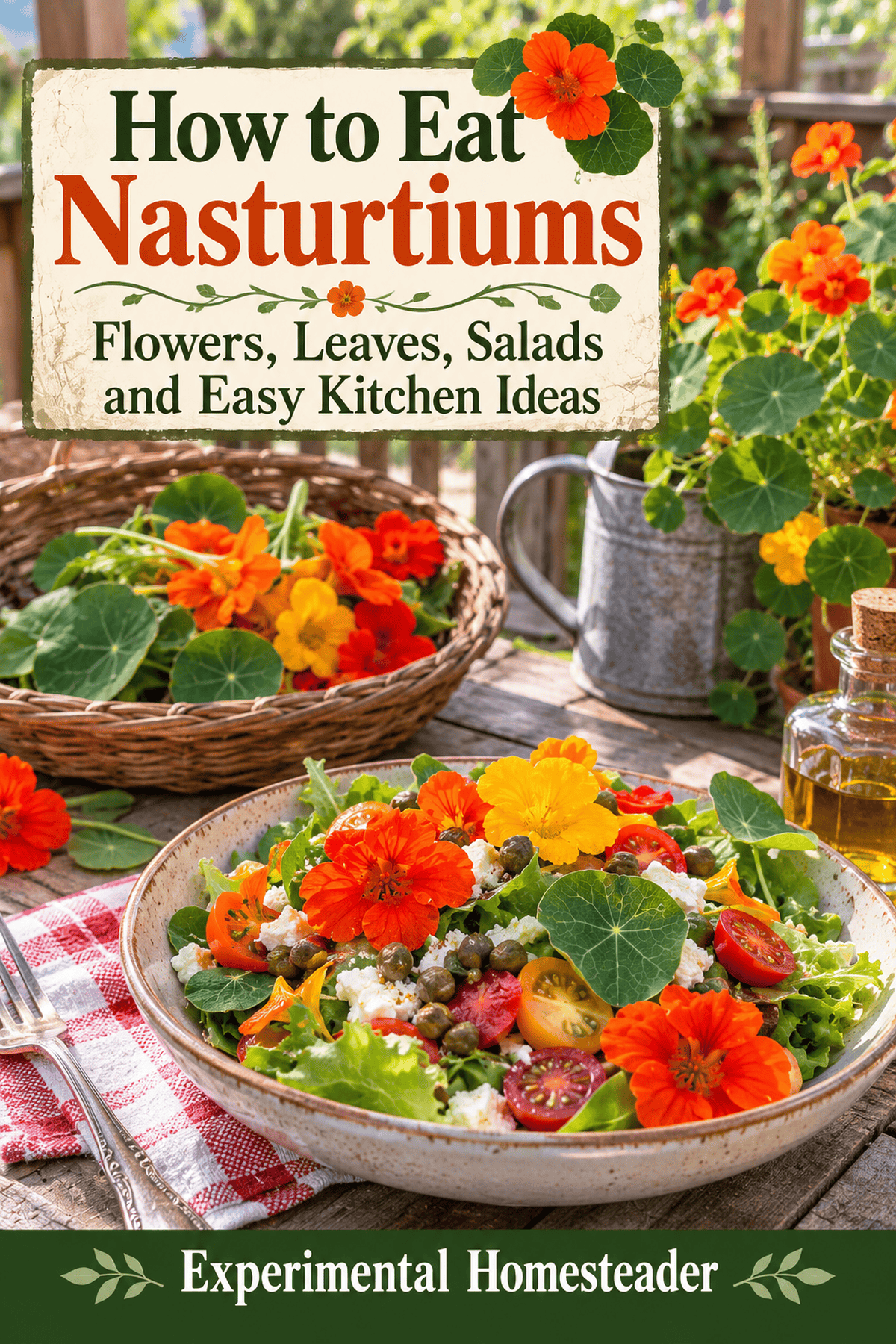
Easy Nasturtium Salad with Tomatoes, Feta and Capers
This is the kind of recipe that makes edible flowers feel approachable. You are making a familiar green salad, then adding a little peppery flavor from the garden. The salty feta and capers balance the leaves, and the flowers go on top just before serving. You can use iceberg, butter lettuce or romaine, whichever you already have. The quantities below are a starting point, so reduce the nasturtiums the first time if you prefer a milder salad.
Why These Ingredients Work Together
The lettuce gives you a familiar, mild base, so the peppery nasturtium leaves do not have to carry the whole salad. Tomatoes add moisture and acidity, feta adds richness and salt, and the capers provide small bursts of sharp, briny flavor. The flowers are the finishing ingredient. This combination makes it easier to taste what the nasturtiums contribute without the entire dish becoming overwhelmingly peppery. It is also forgiving: if you have no capers, the salad still works, and if your nasturtium leaves are particularly strong, use fewer of them.
Equipment and Preparation Before You Begin
You need a cutting board, knife, colander or salad spinner, a small bowl for dressing and two plates or one serving bowl. Prepare the ordinary vegetables first. Keep the flowers separate on a clean towel while you chop the tomatoes and crumble the cheese, so you are not repeatedly handling delicate petals. Dry the lettuce thoroughly, because dressing clings better to dry leaves and the finished salad will not collect a puddle of water at the bottom of the bowl.
Print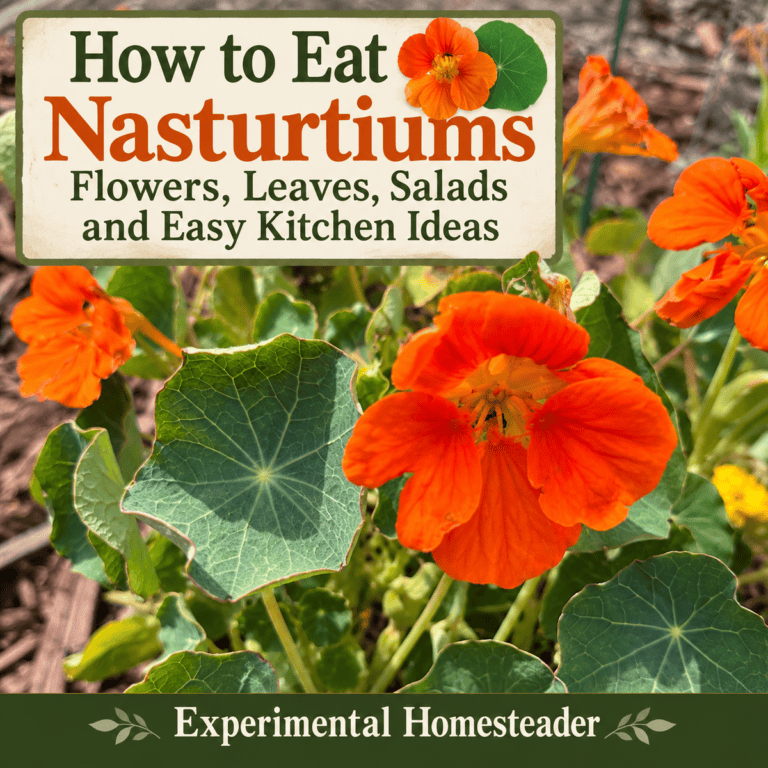
Easy Nasturtium Salad with Tomatoes, Feta and Capers
A fresh garden salad with edible nasturtium flowers and peppery leaves, ripe tomatoes, feta and capers in a light lemon and olive oil dressing.
- Total Time: 15
- Yield: 2 generous side salads 1x
Ingredients
- 4 cups washed and dried lettuce, torn into bite-size pieces
- 4 to 6 fresh, correctly identified nasturtium flowers
- 4 to 6 small tender nasturtium leaves, or fewer to taste
- 1 cup ripe tomatoes, chopped, or halved cherry tomatoes
- ⅓ cup crumbled feta cheese
- 1 tablespoon drained capers
- 1 tablespoon olive oil
- 2 teaspoons lemon juice
- Freshly ground black pepper, to taste
Instructions
- Wash and dry the lettuce and tomatoes. Put the lettuce in a wide salad bowl or divide it between two plates.
- Inspect the nasturtium flowers and leaves for insects and damage. Rinse briefly if needed, dry thoroughly and remove the stems.
- Taste a small piece of a leaf. Tear or thinly slice the leaves and scatter a modest amount over the lettuce. You can add more later if you like the peppery flavor.
- Add the tomatoes, feta and drained capers.
- Whisk the olive oil and lemon juice together, then drizzle lightly over the salad. Add black pepper to taste. The capers and feta are already salty, so taste before adding extra salt.
- Arrange the nasturtium flowers on top just before serving so they remain fresh and visible.
Equipment
Notes
Use only positively identified edible nasturtiums grown without unsuitable treatments. Start with fewer leaves for a milder salad. Serve immediately; store washed greens and toppings separately and add dressing and flowers just before serving. Feta and capers are salty, so taste before adding salt.
- Prep Time: 15
Nutrition
- Serving Size: 1 side salad

How to Serve It and What to Change
Serve this salad immediately alongside pizza, grilled meat, sandwiches or a simple soup. For a more filling lunch, add another protein you already enjoy. If you do not like feta, leave it out or use another cheese; if capers are too salty for your taste, omit them. A few sliced cucumbers are also good here. What matters is keeping the nasturtium flavor noticeable without allowing it to overwhelm everything else.
The finished salad is best eaten right away. Store the separate washed greens and toppings in the refrigerator if you are preparing ahead, and dress and garnish only when you are ready to eat. Once the flowers are mixed with dressing, they lose their crisp appearance quickly. For another approach, see my fresh garden salad with herbs and flowers and herb and rose petal salad.
More Easy Ways to Eat Nasturtiums
Once you know you enjoy their peppery flavor, nasturtiums can become an ordinary ingredient rather than a novelty. You can use a few flowers as a finishing touch, chop petals into butter, tuck tender leaves into sandwiches, or dress up a chilled cheese appetizer. The best choice depends on how much you harvested, what else you are cooking and whether the flowers will be eaten right away. Here is how to make those choices without wasting the harvest.
How to Decide What to Make Tonight
If you have only two or three flowers, use them as a garnish on a salad or a cheese plate. If you have a handful of blossoms and butter already softened, make nasturtium butter. If your plant is producing mostly leaves, try a couple in a sandwich before you commit them to a full salad. This is a useful way to match the recipe to the actual harvest instead of picking everything and then trying to find a way to use it. Fresh flowers do not wait patiently in the refrigerator for a week, so choose a preparation you can finish soon.
Can You Use Nasturtiums in Hot Food?
You can add clean petals to food after cooking, but prolonged heat tends to reduce their fresh appearance and change their texture. For a baked potato, let it finish cooking, add butter or another topping, and scatter a few petals over it just before eating. For soup, put the flowers on individual bowls after ladling rather than boiling them in the pot. If the goal is the peppery taste rather than a decorative flower, finely cut leaves can be tried in small quantities as a finishing herb. Taste first because the leaves may be stronger than you expect.
Make Nasturtium Butter
If you have butter in the refrigerator and a few blossoms in the garden, this is an easy place to start. Clean and dry the petals, then follow my how to make nasturtium butter recipe for the amounts and method. The butter works on warm bread, with cooked vegetables or as a small addition to a savory meal. Don't guess at storage times; follow the recipe's guidance and keep flower butter refrigerated.
Add Leaves to Sandwiches and Wraps
Try one or two tender leaves in a sandwich with cheese, tomato or your favorite savory filling. The leaves bring a peppery flavor without needing a special sauce. Wash and dry them, remove any tough stems and layer them just as you would other salad greens. Start with fewer leaves than you think you need, taste the sandwich and add more next time if you like it.
Finish a Cheese Appetizer with Flowers
Whole nasturtium blossoms look attractive on a cold cheese board, and their peppery taste pairs naturally with rich cheese. Use clean, dry flowers and place them on the board or appetizer shortly before serving. My pecan-crusted goat cheese appetizer is one place to try that idea. Keep perishable cheese cold until serving and identify the flowers for guests who may not recognize them.
Use Flowers as an Edible Finishing Touch
A single flower on a plate of salad or beside a savory sandwich can be enough. The goal is not to cover everything with blossoms. Use them where the peppery flavor makes sense and where they will be eaten, rather than treating them as an unidentified decoration. If you want more seasonal gift and recipe ideas, my edible flowers for fall recipes and homemade gifts article brings several projects together.
How to Grow Nasturtiums for Your Kitchen
You don't need a large garden to grow a useful supply. Nasturtiums can be grown from seed in a sunny bed, a large container or a hanging basket with adequate drainage. They generally prefer soil that is not overly rich; too much nitrogen can encourage leaves at the expense of flowers. Give plants room to spread or trail, water as needed without keeping the soil waterlogged and harvest gently once the plants are established. In areas with freezing winters, they are generally grown as annuals and are damaged by frost.
Starting Nasturtiums from Seed
Nasturtium seeds are large enough to handle individually, which makes them a friendly project for a beginner. Choose a pot with drainage holes or a prepared garden bed and follow the depth and spacing directions on the seed packet for your particular variety. In a climate with spring frost, sow outdoors after the danger of frost has passed and the soil has warmed, or start indoors according to the packet if you want a head start. Water the soil after sowing and keep it evenly moist, not saturated, while the seeds germinate. Once seedlings appear, give them the light and room they need rather than crowding several vigorous plants into a tiny pot.
Sun, Soil, Water and Containers
Most garden nasturtiums perform well with plenty of light, although afternoon shade can help where summers are very hot. Use a container large enough for the mature variety and a potting mix that drains freely. Do not automatically feed them heavily every week: excess nitrogen can produce impressive foliage with relatively few flowers. Check moisture with a finger rather than watering by the calendar. If the top layer is dry and the container feels light, water thoroughly and let excess drain away. If the soil is still wet, wait and check again. Trailing varieties need room to spill, and compact varieties still need airflow around their leaves.
Why a Nasturtium Plant Might Not Flower
If the plant has plenty of leaves but few blossoms, first consider whether it is getting too much nitrogen or too little light. If leaves are yellowing and growth is weak, check whether the roots are sitting in soggy soil or whether the container is drying out repeatedly. Look under the leaves for aphids, which are attracted to nasturtiums. Start with observation and gentle, food-garden-appropriate management rather than spraying something on a plant you intend to eat. Check the product label before applying any pest control, including homemade mixtures, and follow all food-crop directions.
What Happens When Frost Arrives?
Garden nasturtiums are tender and typically stop producing when freezing weather damages them. If frost is forecast, harvest the fresh flowers and leaves you can use promptly rather than waiting for damaged blossoms. Container plants may be moved into protection temporarily when conditions permit, but a dark garage is not a long-term growing environment. If you want nasturtiums again next year, plan to start another crop from seed. On Exotic Gardening, my edible organic flowers guide is a good place to explore other plants that can join them in the garden.
For this article, the important growing decision is to treat them as a food crop from the beginning. Use seeds or plants that are correctly labeled, and avoid sprays that are not approved for edible crops. That way, when the first flowers open, you know their history and can use them with confidence. For more edible flower choices and growing information, visit my four easy-to-grow edible organic flowers guide on Exotic Gardening. You can also explore growing edible crops in pots if containers are your main growing space.
What About the Green Seed Pods?
Young green nasturtium seed pods are sometimes used as a caper-style ingredient. That is a separate kitchen project from eating fresh flowers or leaves. Do not assume a vinegar mixture makes a homemade pickle safe for room-temperature storage; use a reliable tested preserving recipe or keep preparations refrigerated according to a suitable recipe. If you are just getting started with nasturtiums, I recommend mastering the fresh leaves and flowers first.
Common Questions About Eating Nasturtiums
Most questions about eating nasturtiums come down to three things: identifying the plant, deciding which parts to use and handling the harvest as food. The answers below address the practical concerns that come up when you move from admiring flowers in the garden to serving them at the table.
Can you eat nasturtium flowers raw?
Yes, the flowers of correctly identified edible garden nasturtiums are commonly eaten raw. Use flowers from plants grown without unsuitable treatments, check them for insects and wash and dry them as needed. Try a small amount first to see whether you enjoy the flavor.
Are nasturtium leaves edible too?
Yes. Tender leaves are often used raw in salads and sandwiches. They can taste stronger than the flowers, so start with a few leaves and adjust the amount to your preference.
Can you eat flowers from a nursery plant?
Not unless you can verify that the plant was grown and treated for edible use. An ornamental plant may have been sprayed with products not suitable for food crops. Growing your own from seed is often the simplest way to know what has been used on the plant.
Do you need to cook nasturtium flowers?
No. Fresh petals and flowers are commonly used raw as a garnish or in salads. Add them at the end of preparation so they do not become bruised or wilted.
Can nasturtiums help treat a sore throat?
You may see traditional remedies that suggest chewing leaves or making tea. That is not the same as having reliable evidence that nasturtiums treat a sore throat or infection. I recommend treating them as food, not a replacement for medical care or proven treatment.
What should you make first?
Try a few petals on a simple salad or make my nasturtium butter. Both let you taste the flowers without investing in a complicated recipe. If you enjoy that peppery flavor, make the tomato, feta and caper salad above next.
Start with What You Have in the Garden
You do not need a whole bed of nasturtiums or a complicated plan to start eating edible flowers. One healthy plant, a few clean blossoms and an ordinary salad are enough to find out whether you like them. Once you know how the leaves and flowers taste, you can use them in butter, cheese appetizers and other meals you already make. That is what I enjoy about practical kitchen projects: they begin with something simple and give you another useful way to make the most of what you grow.
If you try nasturtiums in a salad, butter or another dish, I'd love to hear what you made and whether you preferred the flowers or the leaves. And if you're still deciding what to plant, take a look at the edible flower growing guide on Exotic Gardening before you order seeds.