Creamy Sage Sauce with Bow Tie Pasta: Easy Homemade Recipe
There is something about the smell of sage warming in real butter that makes me want to stay right there beside the stove. That earthy, almost woodsy fragrance rises out of the pan, the butter begins to bubble, and suddenly I'm hungry for a meal I haven't even finished making.
And when the sage comes from herbs I've grown, harvested, and dried myself, there's another little pleasure in it. I can take a few whole leaves from the jar, crumble them between my fingers, and smell that wonderful fragrance come alive again. It's one of the reasons I love preserving herbs from my garden. Months after the growing season ends, they're still finding their way into my kitchen.
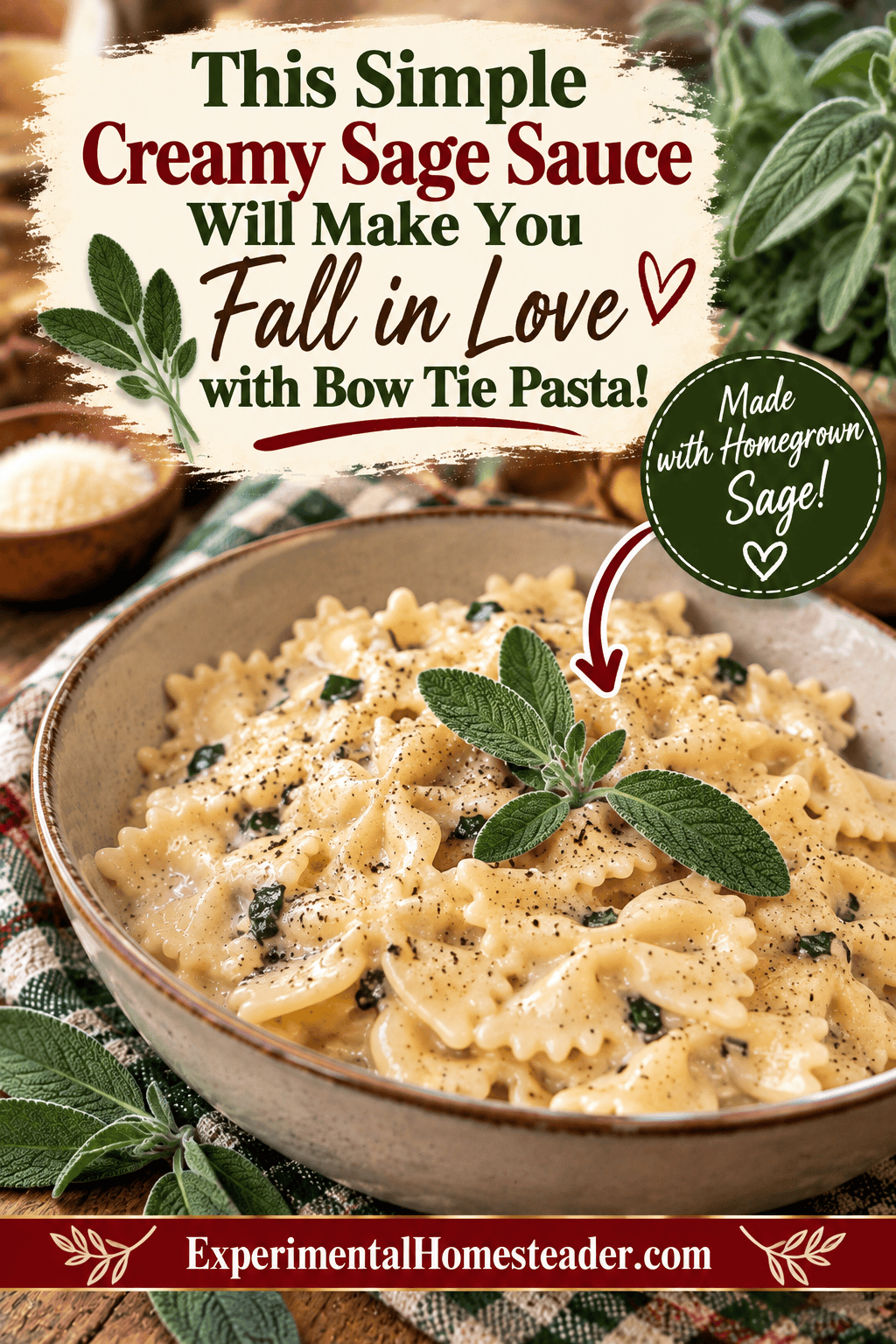
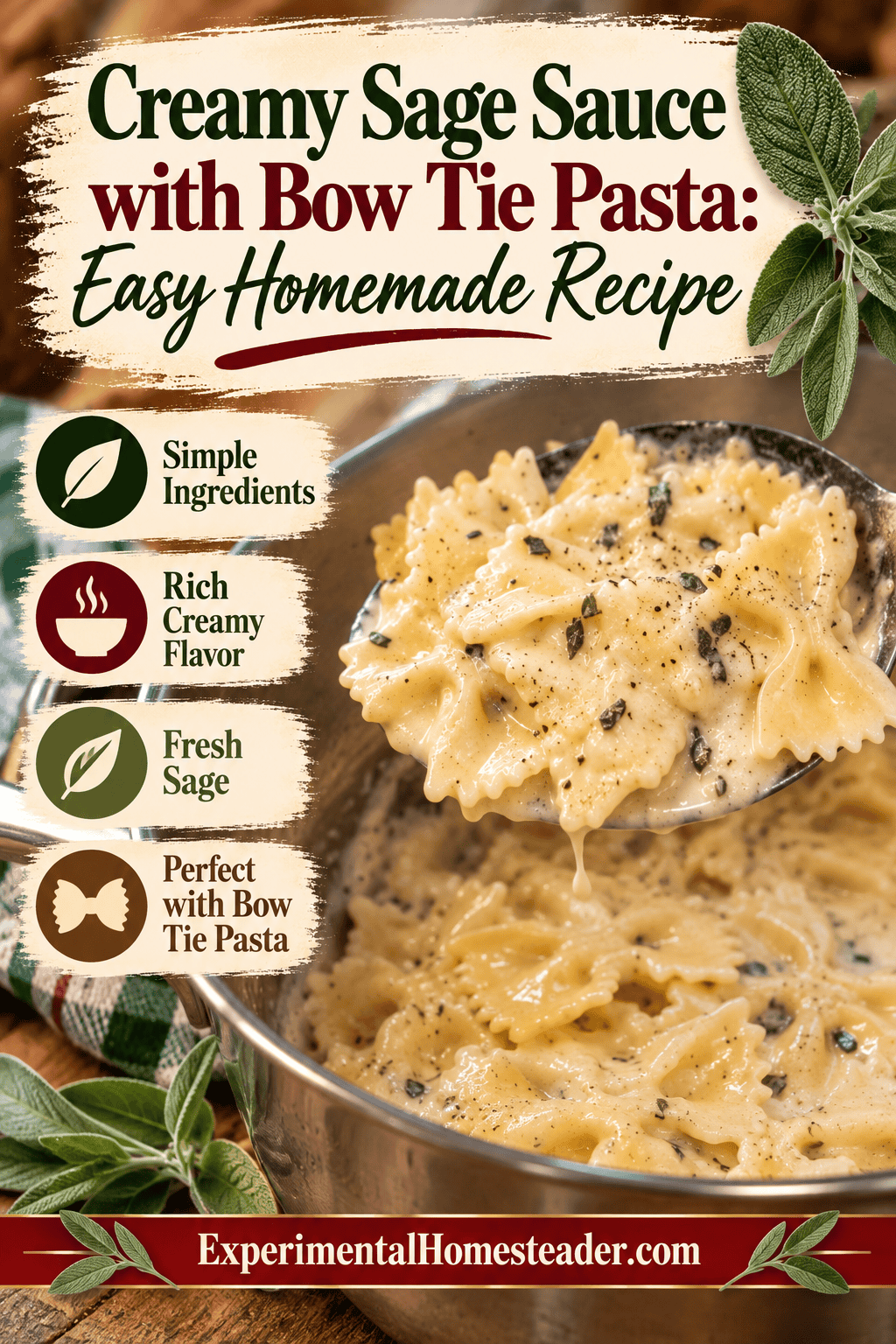
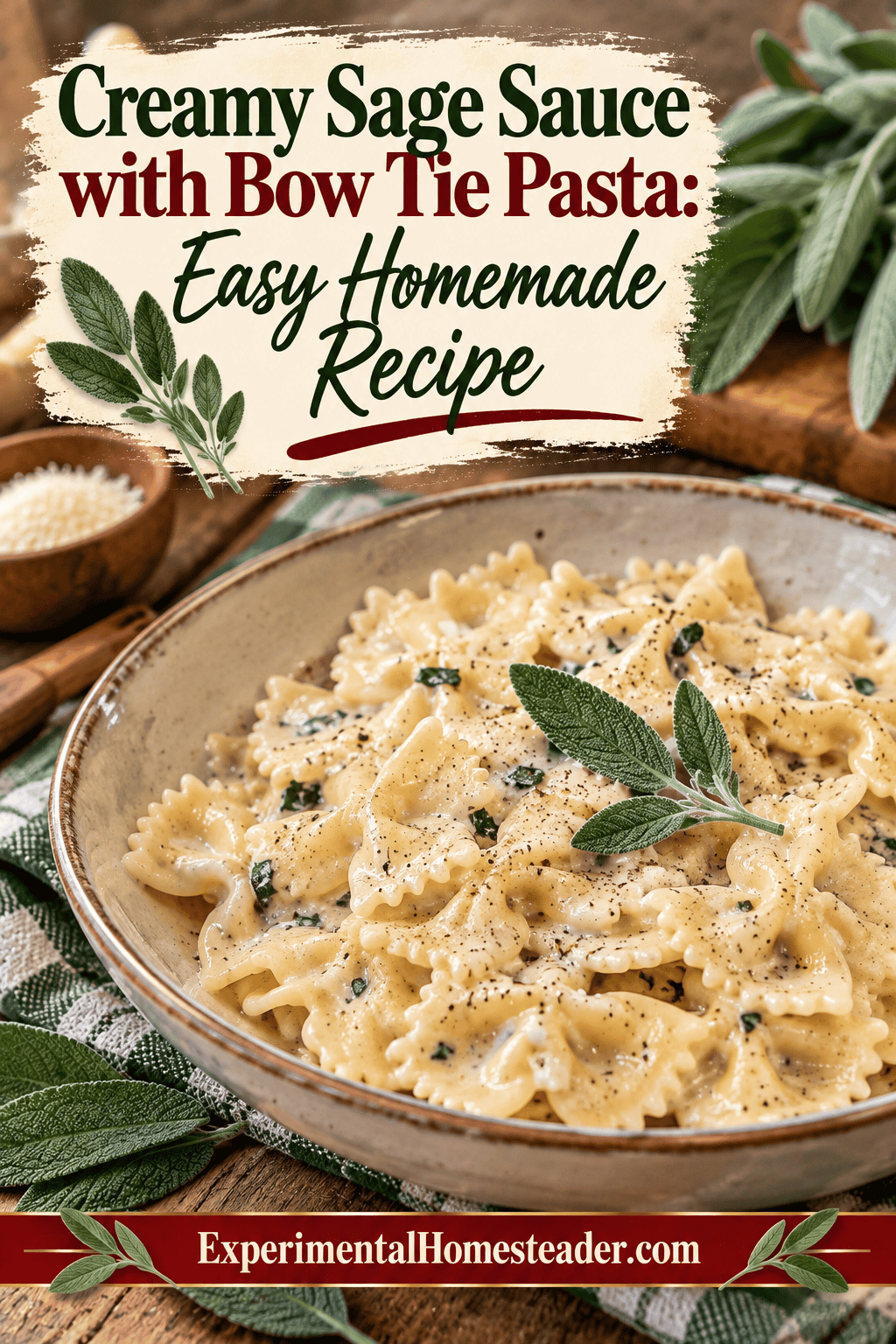
That's how this creamy sage sauce with bow-tie pasta comes together. A handful of ingredients - butter, sage, heavy cream, and Parmesan - turn ordinary pasta into something rich, savory, and just a little elegant.
But there's a catch. A cream sauce can go from beautifully smooth to oily or grainy if you get impatient with the heat. And sage, wonderful as it is, can take over a dish if you use too much.
The secret isn't adding more ingredients. It's knowing when to let the butter bubble, when to turn down the heat, and when to let the cheese melt gently into the sauce. And those little bow ties? There's a reason I like them for this recipe beyond how pretty they look on the plate.
In This Article
What Sage Adds to a Cream Sauce
Sage has an earthy, woodsy fragrance with a slightly peppery, almost pine-like edge. Its flavor is bold and pleasantly savory, which makes it especially good with butter and cream. The fat carries the herb's aromatic compounds while the cream softens its sharper notes. Parmesan adds salty, nutty depth, so the sauce tastes layered rather than simply rich.
The original recipe uses six dried sage leaves, crumbled into warm butter. Sage can dominate a dish when used too generously, so start with the amount in the recipe and taste before adding more.
I developed this version using dehydrated sage from my garden. Growing and drying herbs myself lets me know when they were harvested and how they were stored. Those details matter because aromatic oils gradually fade with time, light, heat and exposure to air.
I prefer drying sage leaves whole, storing them in a sealed jar away from heat and light, then crushing them immediately before cooking. Whole leaves expose less surface area than pre-ground sage, helping them hold onto their fragrance. Fresh sage also works, but it tastes different and contains more moisture, so chop it finely and adjust to taste. Homegrown is not automatically superior to every store-bought herb; the advantage is knowing that yours was handled carefully and used while still fragrant.
Choosing Sage: Fresh, Dried Whole Leaves, or Ground?
This is a useful recipe for anyone who grows culinary sage, but you do not need a garden to make it. Look for common culinary sage (Salvia officinalis), not an ornamental salvia or an unrelated plant sold under a similar name. You can make the sauce any time of year because dried sage stores well when handled properly. I especially appreciate that during the colder months, when the garden is no longer supplying fresh herbs.
For this particular recipe, whole dried sage leaves are my first choice because that is what the original ingredient list calls for. Open the jar and smell them before cooking. They should still have a recognizable herbal fragrance. If they smell dusty, musty, or barely smell at all, they will not give the butter much flavor. If you have fresh culinary sage instead, rinse it if needed, dry the leaves thoroughly, remove tough stems, and chop the leaves finely. Fresh sage contains more water and usually tastes less concentrated by volume than dried sage, so adjust cautiously rather than substituting leaf for leaf without tasting.
Ground sage is the least predictable substitute because a small spoonful packs in far more finely divided leaf than you might expect. It also disperses throughout the sauce, sometimes giving it a speckled appearance and a stronger flavor. If ground sage is all you have, begin with a very small pinch, let it warm in the butter, and taste before deciding whether it needs more. You can always add a little more sage; removing an overpowering herbal flavor is much harder.
How to Dry and Store Sage for Better Flavor
Pick healthy, clean culinary sage leaves and dry them promptly until they are thoroughly dry and crisp. Any remaining moisture can encourage spoilage during storage. I prefer to keep the dried leaves whole in a clean, airtight jar in a cool, dark cupboard, then crumble only what I need directly into the pan. Label the jar with the herb and harvest date so you are not guessing how long it has been there.
Store-bought sage can be excellent when it is fresh and properly packaged. For other ways to use herbs in your kitchen, see my guide to making your own seasoning blends. The difference with herbs I grow is that I control the harvest, drying and storage. I do not have to wonder whether a jar has spent years sitting in a warehouse or on a grocery shelf. And there is something satisfying about turning a handful of leaves saved from the garden into the flavor that makes a simple meal memorable.
What Each Ingredient Does in This Sauce
The recipe is short, but every ingredient has a job. Understanding those jobs makes it easier to cook confidently instead of just following the clock.
Butter: The Flavor Foundation
The two tablespoons of butter are where the sauce begins. Butter gives the sage a flavorful fat to warm in, allowing its aroma to spread through the finished sauce. Watch for melting and gentle bubbling, not dark brown bits or smoke. If the butter begins to brown rapidly before the sage has had time to warm, lift the pan from the burner and lower the heat.
Heavy Cream: Body and Richness
The cup of heavy cream gives the sauce its silky texture. If you raise dairy goats, my guide to separating and using goat milk cream explains the homestead side of that ingredient. Heavy cream has enough fat to tolerate gentle simmering better than low-fat milk, which is one reason this is an approachable cream sauce for beginners. It still needs attention: a vigorous boil can make it reduce too quickly, and it will thicken more as it cools. The goal is a light simmer with small bubbles near the edges.
Shaved Parmesan: Savory Flavor and Thickening
The cup of shaved Parmesan contributes saltiness, nuttiness and body. Shaving it from a block is helpful because you know you are using real cheese rather than a shelf-stable powdered topping. The pieces should be thin enough to melt readily. Take the pan off the heat before stirring them in, and keep stirring until the sauce looks smooth. If the cheese does not melt immediately, give it a little time rather than turning the burner to high.
Bow-Tie Pasta: The Sauce Carrier
The six ounces of farfalle give the sauce somewhere to go. Pasta starch and the uneven folds of the bow ties help the creamy mixture cling to each piece. Salt the cooking water so the pasta itself has flavor, and check a bow tie from the pot before draining. The thick pinched center may need a little more time than the thinner wings. The finished pasta should be tender, with a slight bite rather than a hard center.
How to Keep a Cream Sauce Smooth, Not Grainy
I always use real butter, and when my goats are in milk I sometimes make my own goat milk butter. Butter carries the sage flavor through the sauce. Melt it gently, let the crumbled sage perfume it, and lower the heat before adding heavy cream. You want a quiet simmer, not a hard boil.
The biggest risk with this kind of sauce is excessive heat. Boiling the cream hard can reduce it too much, while adding Parmesan over high heat can make the cheese clump or the sauce turn grainy. Stir the cream gently, then take the pan off the heat before stirring in the shaved cheese. If the finished sauce becomes too thick, loosen it with a spoonful of reserved pasta cooking water.
I noticed a new brand on my grocer's shelf called Challenge. It comes from cows not treated with the Growth Hormone rbST which is a plus for me. The one thing I noticed was this butter has a richer taste than regular sweet cream butter. So far, I'm liking this new butter and intend to buy more.
Step-by-Step: What to Watch for While Cooking
The printable recipe card below gives the original quantities and directions. These extra cues explain what you should see, smell and feel at each stage, especially if this is your first homemade cream sauce.
1. Get the Pasta Water Going First
Fill a pot with enough water for the farfalle to move around, bring it to a full boil, salt it, and add the pasta. Stir shortly after adding it to keep the pieces from sticking together. Follow the package's cooking range, but test an actual bow tie near the end. Before draining, scoop out a little of the cloudy cooking water and set it aside. You may not need it, but it is useful if the finished sauce is thicker than you want.
2. Melt the Butter and Wake Up the Sage
While the pasta cooks, melt the butter over medium heat. When most of it has melted, crumble in the six dried sage leaves. The fragrance should become noticeable as the herb warms. Follow the original recipe's instruction to lift the pan off the heat, swirl it, return it briefly, then reduce the heat after that first bubble. The point is to infuse the butter, not fry the sage until it becomes dark or bitter.
3. Add Cream and Keep the Heat Gentle
Pour in the heavy cream and stir so the butter and cream come together. Let the mixture simmer for about five minutes, stirring as needed. Look for small bubbles around the edges and a sauce that begins to coat the back of a spoon. If you see rapid boiling, turn the heat down. The sauce does not need to be thick like gravy in the pan because the cheese and cooling will thicken it further.
4. Melt the Parmesan Off the Heat
Add the shaved Parmesan as directed, remove the pan from the burner, and stir steadily. Give the cheese time to melt into the warm cream. Taste before adding optional salt because Parmesan is already salty. Add pepper and parsley if you like. The finished sauce should look glossy and pourable, not stringy or curdled.
5. Sauce the Pasta and Serve Promptly
Drain the bow ties and add the sauce while everything is still hot. The original directions pour the sauce over the pasta, which works well for serving; you can also toss them gently to coat the folds. If the sauce has thickened too much, add reserved pasta water a spoonful at a time, stirring until it loosens. Serve immediately, while the sauce is silky and the sage aroma is strongest.
Why Bow-Tie Pasta Works with Creamy Sage Sauce
Bow-tie pasta, also called farfalle, is more than a pretty shape. The pinched center stays pleasantly firm while the broad, folded wings give a creamy sauce plenty of surface to cling to. Sauce gathers in the folds and around the narrow middle, so you get a little richness with each bite instead of a puddle left in the bottom of the bowl. Cook the pasta just until tender with a little bite, and toss it with the sauce while both are warm.
Other short pasta shapes can work, but farfalle gives this simple side dish an elegant look without requiring a complicated technique. I especially like that it makes the sage and Parmesan sauce the star rather than hiding it under a pile of long noodles.
Remember to always use the freshest ingredients possible when cooking. It really does make a difference - both taste and nutrition wise.
The recipe card below has the original ingredient amounts and step-by-step directions. The sauce thickens as it cools, so serve it promptly.
Troubleshooting Creamy Sage Sauce
Why Is My Sauce Grainy?
Parmesan can turn grainy when it meets too much heat or does not melt evenly. Remove the pan from the heat and stir gently. Thin shavings of real Parmesan tend to melt more readily than thick chunks. Avoid boiling the sauce after the cheese goes in. A badly separated sauce may not become perfectly smooth again, but lowering the heat and adding a little warm cream while stirring can sometimes improve its texture.
Why Is the Butter Separating or Floating on Top?
A little sheen is normal, but distinct pools of fat suggest the sauce is not holding together. Take the pan off the heat and stir until the mixture looks more uniform. If it is very hot, let it settle briefly before continuing. Gentle simmering and regular stirring are much safer than trying to hurry the process over a high flame.
Why Is My Sauce Too Thick?
Cream and Parmesan both thicken as the sauce stands. This is especially noticeable once the pasta begins absorbing moisture. Add a spoonful of reserved pasta water, stir and reassess before adding more. Warm cream can also loosen it, although it will make the dish richer. Avoid pouring in a large amount of liquid at once, or you may end up with a watery sauce.
Why Is My Sauce Too Thin?
If the sauce runs off the spoon like plain cream before the cheese is added, give the cream a little more time at a gentle simmer. Once the Parmesan is stirred in, allow a moment for the sauce to settle and thicken. It should still flow easily. Remember that the pasta will take up some of the sauce, and it will become thicker as it cools.
What if I Used Too Much Sage?
Sage is not a delicate background herb. If the flavor becomes medicinal, harsh or bitter, adding more pepper or salt will not solve it. Your best option is to dilute the sauce with additional unsalted cream and butter, then adjust the Parmesan carefully. That changes the yield, which is why I recommend starting with the original six leaves and tasting before adding any extra.
Serving Suggestions: Side Dish or Simple Supper?
This recipe makes four servings as written and is particularly good as a side dish alongside roasted chicken, pork chops or another simply seasoned main course. Sage and pork are a classic pairing because the herb's assertive flavor balances richer meat. Roasted vegetables such as carrots, winter squash or Brussels sprouts add color and contrast to the creamy pasta.
If you want to make the pasta the center of the meal, pair it with a substantial green salad or cooked vegetables and a protein of your choice. A little freshly cracked black pepper or chopped parsley at the table adds contrast without covering up the sage. Because the sauce is rich, I would keep the other dishes fairly simple rather than putting several heavy sauces on the same plate.
Storing and Reheating Leftovers
Refrigerate leftovers promptly in a covered container, within two hours of cooking, and use within three to four days. Cream sauces are best fresh because they thicken as they chill and can separate when reheated. For the best texture, warm leftovers slowly in a saucepan over low heat with a splash of milk, cream or water, stirring gently until heated through. Avoid a hard boil.
You can freeze creamy pasta, but I would not choose freezing for the best eating quality: the dairy sauce may become grainy or separate after thawing, and the pasta can soften. If you know you will have leftovers, refrigerating a small portion and reheating it gently is usually the better option.
Frequently Asked Questions
Can I Make the Sage Sauce Ahead of Time?
You can prepare the ingredients ahead of time, but I recommend cooking the sauce close to serving. It takes only minutes, and the texture is noticeably better fresh. If you must make it early, cool and refrigerate it promptly, then reheat very gently and loosen it as needed before combining with freshly cooked pasta.
Can I Use Milk Instead of Heavy Cream?
Milk is thinner and contains much less fat than heavy cream, so a direct substitution will not produce the same sauce. It may also separate more readily with heat and cheese. For the recipe as written, use heavy cream. If you want a lighter milk-based sauce, that is a different recipe and generally needs a thickener or a different technique.
Can I Use Another Pasta Shape?
Yes. Penne, shells or other short pasta can hold this sauce nicely, although each shape gives a slightly different bite. Bow ties are especially attractive because their folds catch the sauce and their pinched centers add texture. If you substitute another shape, follow its own cooking directions rather than using the farfalle timing.
Can I Substitute Pre-Grated Parmesan?
Freshly shaved Parmesan is the recipe's preference. Some packaged shredded cheeses contain anti-caking ingredients that can make melting less predictable. If you use packaged Parmesan, choose a refrigerated product made from real cheese and add it gradually off the heat. Avoid the dry powdered cheese sold as a shelf-stable topping for this sauce.
Can I Double the Recipe?
Yes, provided you use a pan large enough to stir the sauce without crowding. Double each ingredient in the recipe card and allow enough time for the larger amount of cream to warm and gently reduce. Do not automatically double the heat. Taste the sage and salt before serving, since the strength of dried herbs and Parmesan can vary.
Is This the Same as Alfredo Sauce?
It belongs to the same broad family of rich butter, cream and Parmesan pasta sauces, but the sage is the defining flavor here. Traditional Alfredo preparations also vary, including versions based on butter and cheese without heavy cream. This is best described as a creamy sage and Parmesan sauce rather than treating the two dishes as identical.
Print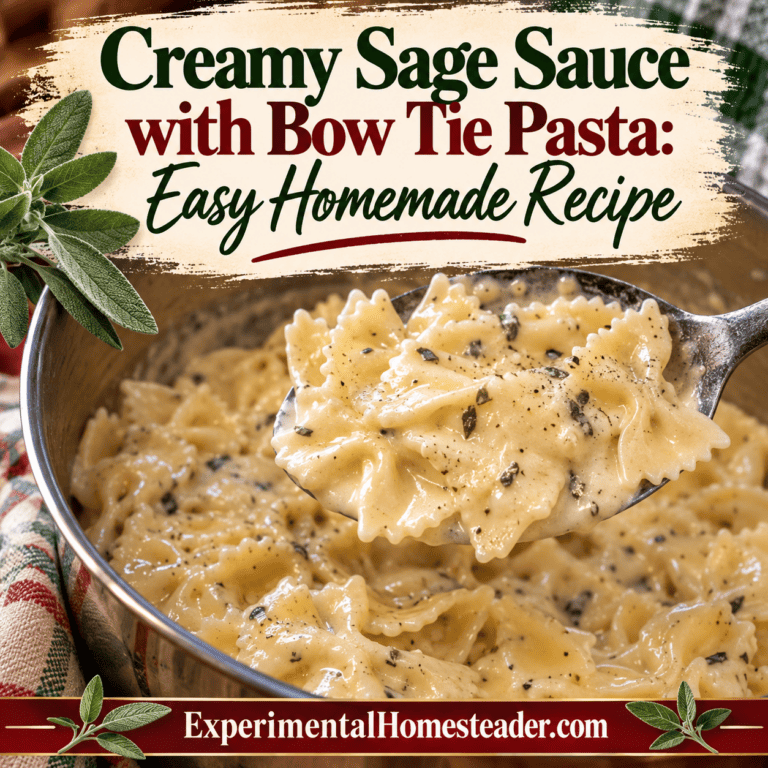
Bow Tie Pasta In A Creamy Sage Sauce
- Total Time: 20 minutes
- Yield: 4 servings 1x
Ingredients
- 6 ounces bow tie pasta
- 2 Tablespoons butter
- 1 cup heavy cream
- 1 cup shaved Parmesan
- 6 dried sage leaves
- Salt, optional
- Pepper, optional
- Parsley, optional
Instructions
- Begin by putting a pan of salted water on the stove for the bow tie pasta. I bought my bow tie pasta and simply followed the directions on the side of the box. If you make your own pasta, follow the recipe for cooking times.
- While the water comes to a boil, melt the butter in the pan over medium heat.
- Once the butter is ¾ of the way melted, crumble up the dehydrated sage and add it. If you are using fresh sage, I encourage you to chop it up before you add it to the butter.
- Remove the pan from the heat at this point and swirl it, then set it back on the heat. You want it to bubble up - once, then turn the heat down to simmer.
- Add the heavy whipping cream to the butter sage mixture and stir to combine.
- Allow the mixture to simmer for five minutes, stirring as necessary to make sure the butter and cream remain combined.
- Add in the shaved Parmesan cheese. Do not use grated. If you cannot find shaved Parmesan cheese in your grocer's refrigerated section, buy a chunk and shave it yourself.
- Remove the pan from the heat and stir continually until the cheese melts, then add salt, pepper and a few crumbled parsley leaves.
- By this time, the bow tie pasta should be done. Remove it from the heat, drain it and pour the creamy sage sauce on top.
- Serve hot. This sauce gets very thick once it cools.