Anastasia Confections Salt Water Taffy Review: Soft, Chewy and Full of Flavor
Disclaimer: I received this candy for free or at a reduced price in exchange for an honest review. My opinions are my own. This article may contain affiliate links, which can earn me a commission if you make a purchase through them.
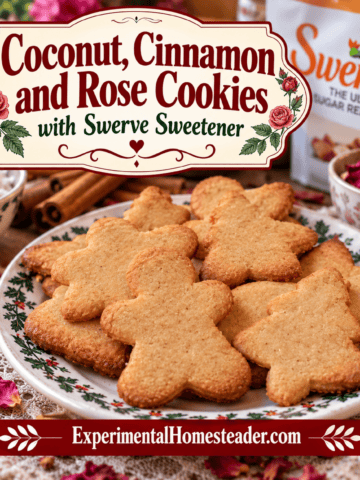
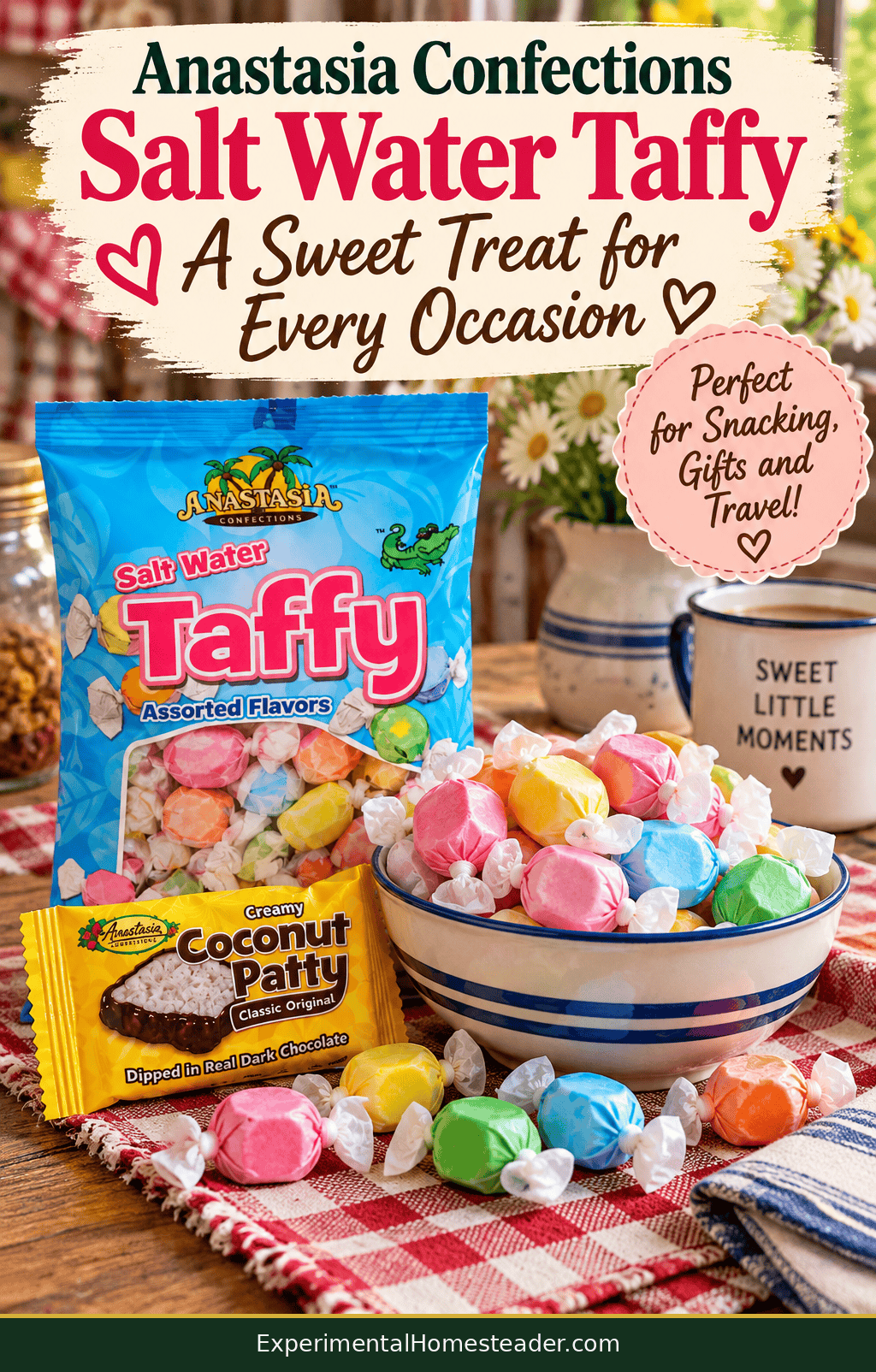
I have a weakness for salt water taffy. For another sweet treat worth exploring, see my gourmet caramel candy review. Not the kind that makes you wonder whether you are going to lose a filling, and not the kind that looks prettier in its wrapper than it tastes once you get it open. I mean the soft, chewy kind with a flavor that makes you want to reach back into the bag and see what else is in there. When I tried Anastasia Confections Salt Water Taffy, that is what I found. The assortment was creamy, flavorful, and entirely too easy to keep eating. I liked it, and the bag disappeared quickly.
That ought to be enough to say about a bag of candy, shouldn't it? It tasted good. I enjoyed it. But I kept thinking about why salt water taffy has stayed with us for so long. There are plenty of sweets in the world, and most of them don't come with a name that makes people ask whether somebody put seawater in the recipe. This one has a history, a little folklore, and a connection to the kind of old-fashioned food making that has always interested me. Once I started looking into it, the candy in that bag became a good deal more interesting.
In This Article
A Little Candy That Carried a Vacation Home
Before you could order just about anything and have it arrive at your door, a treat bought while traveling meant something different. You might bring home a postcard, a small souvenir, or a box of candy from a place you had been fortunate enough to visit. Salt water taffy became one of those treats. By the late nineteenth century, candy makers were selling it to visitors in Atlantic City, New Jersey, where the boardwalk and the seaside crowds provided the perfect setting for something sweet, portable, and easy to share.
I can understand why it caught on. Think about coming home from a trip and opening a box of little wrapped candies with people who had stayed behind. There would be flavors to choose, stories about the trip to tell, and probably someone reaching for another piece before the box was put away. That is my picture of how a simple candy becomes a tradition. It isn't only about the ingredients. It is about the occasion, the people, and the memories that begin to collect around it.
Then there is the name. One of the best-known Atlantic City stories says that in 1883, a storm flooded a candy seller's stand, and when someone asked for taffy, he jokingly offered what he called salt water taffy. The story is usually associated with a seller named David Bradley. It is charming, but it is a legend, not a settled account of exactly how the candy was invented or named. What is certain is that taffy was part of Atlantic City's candy trade in the 1880s and that the name became closely associated with the shore. The Atlantic City Free Public Library has historical material on the subject if you enjoy digging into the origins of old foods as much as I do.
And despite the name, salt water taffy is not made by carrying pails of ocean water into a candy kitchen. The name has outlasted the story, and the story has outlasted generations of vacationers. I love that. A candy can be ordinary enough to eat without thinking about it, yet still carry more than a century of history in its little twisted wrapper.
Why the Texture Matters So Much
If you have ever made candy, you know that sugar can be both wonderful and unforgiving. A few degrees of temperature can make the difference between a syrup that stays soft and one that sets too hard. With taffy, there is another step that makes the process especially interesting: pulling. The cooked candy is stretched and folded over itself, again and again, incorporating air and changing the way it feels when you bite into it. That familiar light, chewy texture doesn't happen by accident. It takes a recipe that works and someone who understands what the sugar is doing.
I have always appreciated the work behind food that looks simple when it is finished. A jar of preserves on the shelf doesn't tell you about the fruit that had to be picked, washed, prepared, and cooked. A loaf of bread doesn't tell you how much attention went into getting the dough just right. A piece of taffy is the same way. By the time you unwrap it, the cooking, pulling, cutting, and wrapping have all been done. You get the pleasure without seeing the work.
That is why texture is the first thing I notice. I have had taffy that was hard and unpleasant to chew. I have had pieces that were sweet without tasting like much of anything. The Anastasia assortment I tried was neither of those. It had the softness I wanted, and the flavors were different enough that I didn't feel as though I was eating the same candy over and over. I did not sit down with a notebook and rank every flavor. I simply ate it, enjoyed it, and kept reaching for another piece. That was my experience, and it is the reason I remember this assortment favorably.
The Florida Story Behind Anastasia Confections
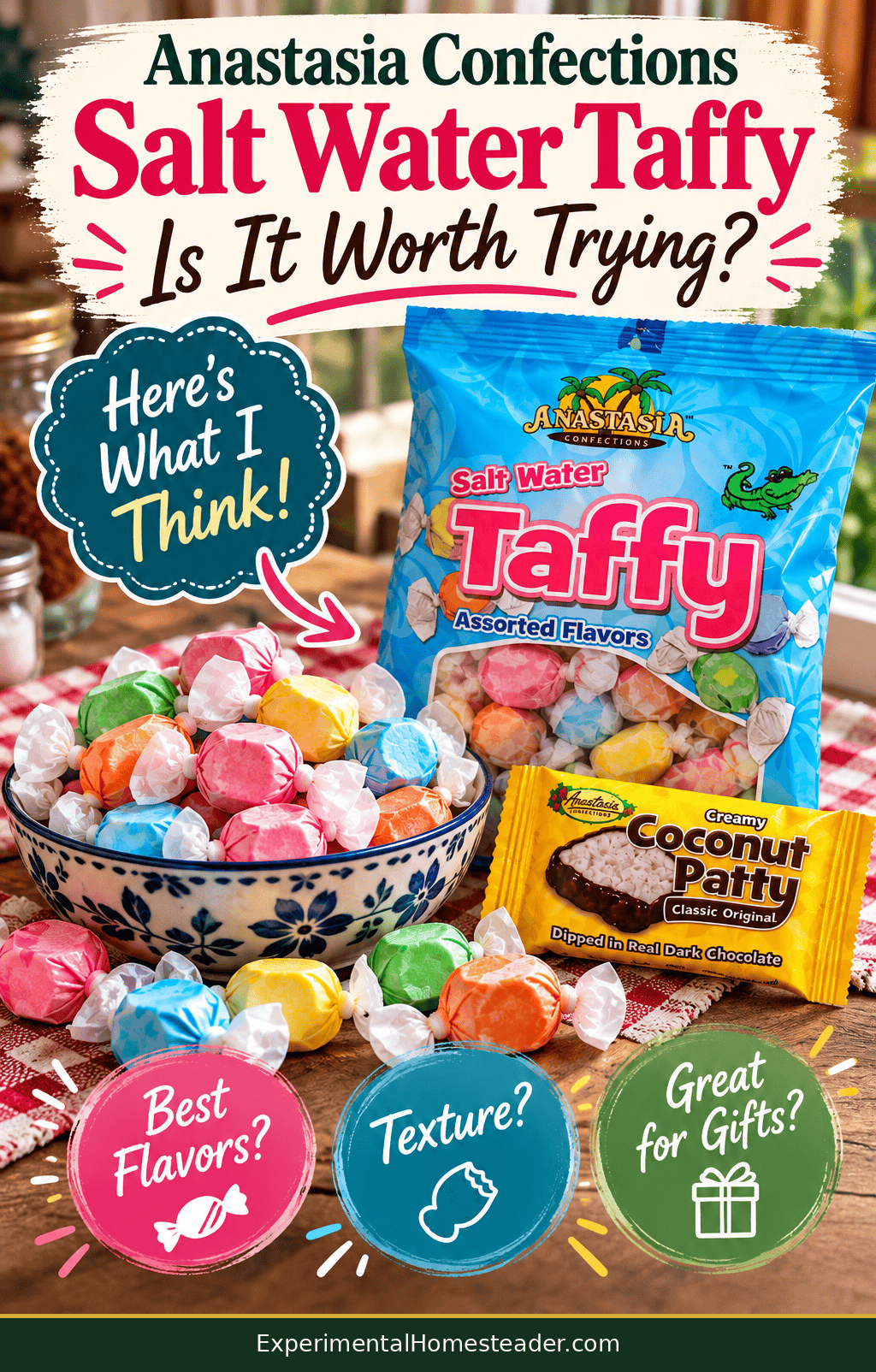
The name on the bag led me to another bit of candy history, this time farther south. Anastasia Confections grew out of a Florida candy business started in the 1980s by Mike Constantine. The company developed sweets that appealed to visitors looking for something to take home from Florida. Its products included chocolate and fudge alligators, along with coconut patties that became one of its best-known treats. Salt water taffy fit naturally into that world of vacation candy and little edible souvenirs.
I find that business history appealing because it reminds me that food businesses often begin with a person who sees an opportunity and is willing to make something people will enjoy. Not every successful food product has to be new or complicated. Sometimes it is a familiar treat made well, packaged attractively, and offered to people who want to share a taste of where they have been. I also tried one of the company's coconut patties when I originally sampled its candy, and I liked that, too. The two treats were different, but both made me interested in the company behind them.
The company has changed over the years, so I would not assume the ownership or the exact product assortment today is the same as when I first received my samples. Still, its Florida roots add another layer to the story. The taffy tradition may be famous for Atlantic City, but other coastal destinations embraced it, too. The idea of a sweet souvenir traveled well.
What a Bag of Taffy Has to Do With Life on a Homestead
On a homestead, there is always something waiting to be done. Maybe the garden needs attention, maybe something needs preserving, or maybe the ordinary work of cooking and caring for everyone at home has already filled the day. I believe in knowing how to make things for yourself, and I enjoy the process of turning ingredients into something useful or delicious. But I also know the difference between wanting to make something and having the time to make it right now.
Salt water taffy is a perfect example. You can make it at home. You can cook the syrup, watch the temperature, wait until it is safe to handle, and pull the candy until it changes texture. Then you still have to cut it and wrap each piece. That sounds like a satisfying project for a day set aside for candy making. It does not sound like something I want to squeeze in between everything else that needs doing just because I happen to want a sweet treat.
To me, self-reliance has never meant refusing to enjoy something another person made. I would rather appreciate good candy than rush through a batch of my own when my attention is needed elsewhere. There is something to be said for respecting another person's craft, especially a craft with roots that stretch back through generations of candy makers. I can make things from scratch and still enjoy a bag of taffy. Those two ideas belong comfortably in the same kitchen.
I also think about how small treats fit into everyday hospitality. You don't have to set an elaborate table to make someone feel welcome. A pot of coffee, a place to sit, and a little dish of something sweet can turn an ordinary visit into a chance to catch up. Individually wrapped taffy works nicely for that. The colors are cheerful, people can pick what appeals to them, and there is no plate of homemade dessert to fuss over. The candy is there to enjoy while the conversation takes center stage.
The Part of This Review That Matters Most
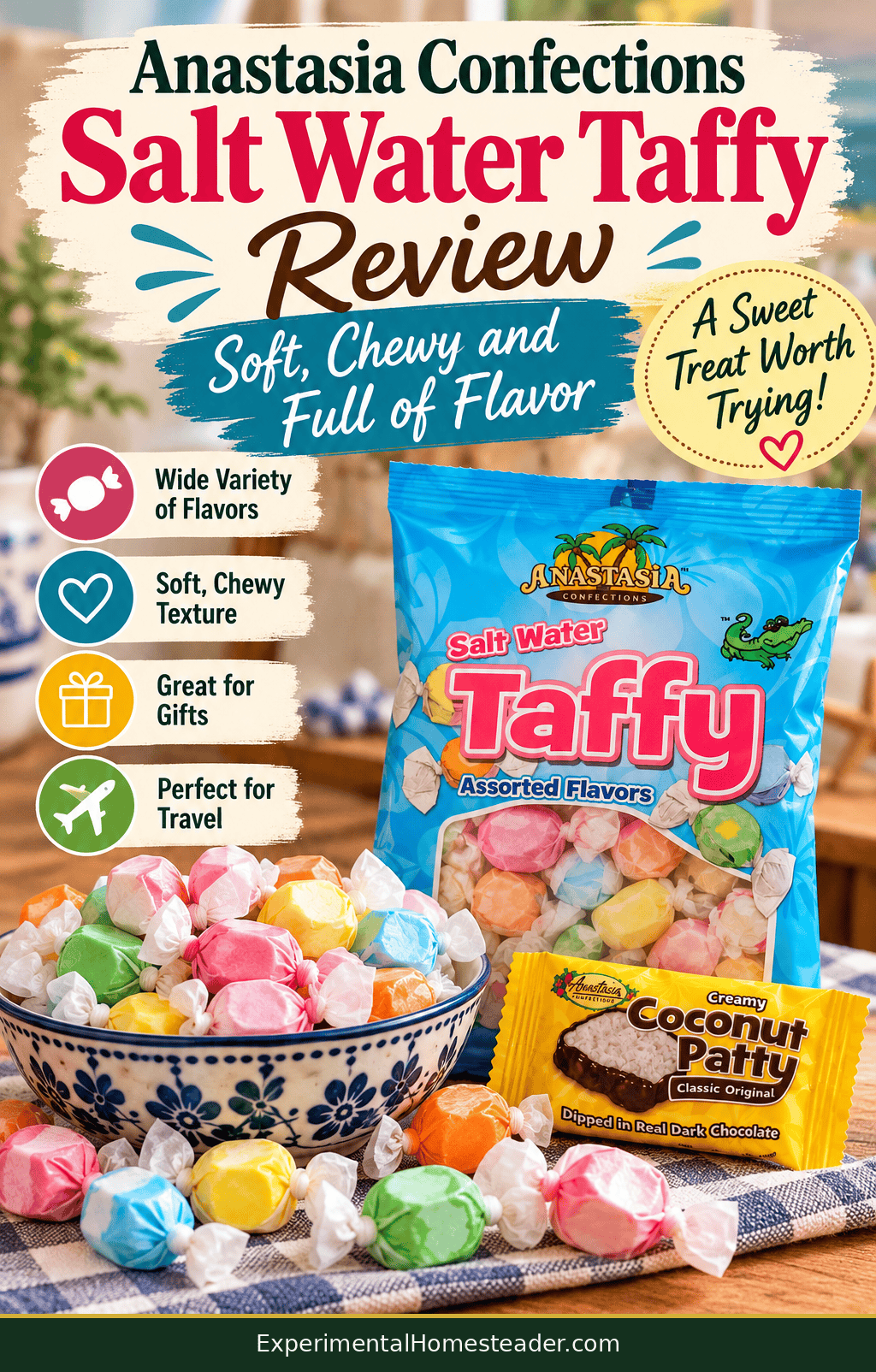
After all the history and the thoughts about candy making, I still come back to the simple question I would want answered if I were reading somebody else's review: was it good? Yes. The Anastasia Confections salt water taffy I received tasted good. I liked the soft, creamy chew, and I liked that the assortment offered different flavors. The individual wrappers made the pieces easy to put in a dish or share without leaving the rest of the candy exposed.
That doesn't mean I can promise every bag sold today will be identical to the one I tasted. Recipes, flavor assortments, packaging, and even ownership can change. If you are interested in trying it, you can look for the Anastasia Confections salt water taffy assortment and check the current details. I can only speak for the candy that came into my kitchen, and that was an assortment I genuinely enjoyed.
An Old-Fashioned Treat for More Than Summer
Although salt water taffy brings to mind seaside boardwalks, I don't think it needs to be saved for a beach vacation. In winter, when the days are shorter and the kitchen becomes a gathering place, a jar of colorful candy can be a cheerful addition to the table. It also makes sense tucked into holiday stockings, divided among small gift bags, or added to a basket of food treats. I like the idea of combining something homemade with something purchased from a candy maker. A gift can be thoughtful without requiring you to produce every item in it yourself.
If I were putting together a gift basket, I might include wrapped taffy alongside homemade cookies or preserves, or pair it with another candy. My gourmet caramel candy is one option if you want a kitchen project of your own. I would keep the taffy in its original wrappers and make sure any ingredient and allergen information stays with it, particularly if it is going to someone who does not live with you. And because heat can affect the texture, I would store it according to the package directions rather than leave it sitting in a warm window.
Why I Would Happily Eat It Again
The Anastasia taffy didn't need a grand occasion. I enjoyed it because it was a good piece of candy, plain and simple. But knowing more about the tradition makes me appreciate it differently. I think about the old boardwalk candy shops, the people who learned to cook and pull sugar into something light and chewy, and the Florida candy business that made the assortment I tried. There is a surprising amount of work and history behind something small enough to fit in the palm of your hand.
And perhaps that is what makes a treat like this special. It asks very little of us. Unwrap a piece, enjoy the flavor, and maybe offer another to somebody nearby. On days when the homestead work seems endless, there is nothing wrong with taking a moment for something sweet. I certainly enjoyed mine.