Here is an update on what is in the pantry. Some of the items I canned have been used and were removed from the earlier list. New items have been canned and added.
Currently, there are 373 jars of food and spices preserved for the winter of 2010-2011.
Please note, this does not include items in the freezer.
Apple pie filling 2-pint jars
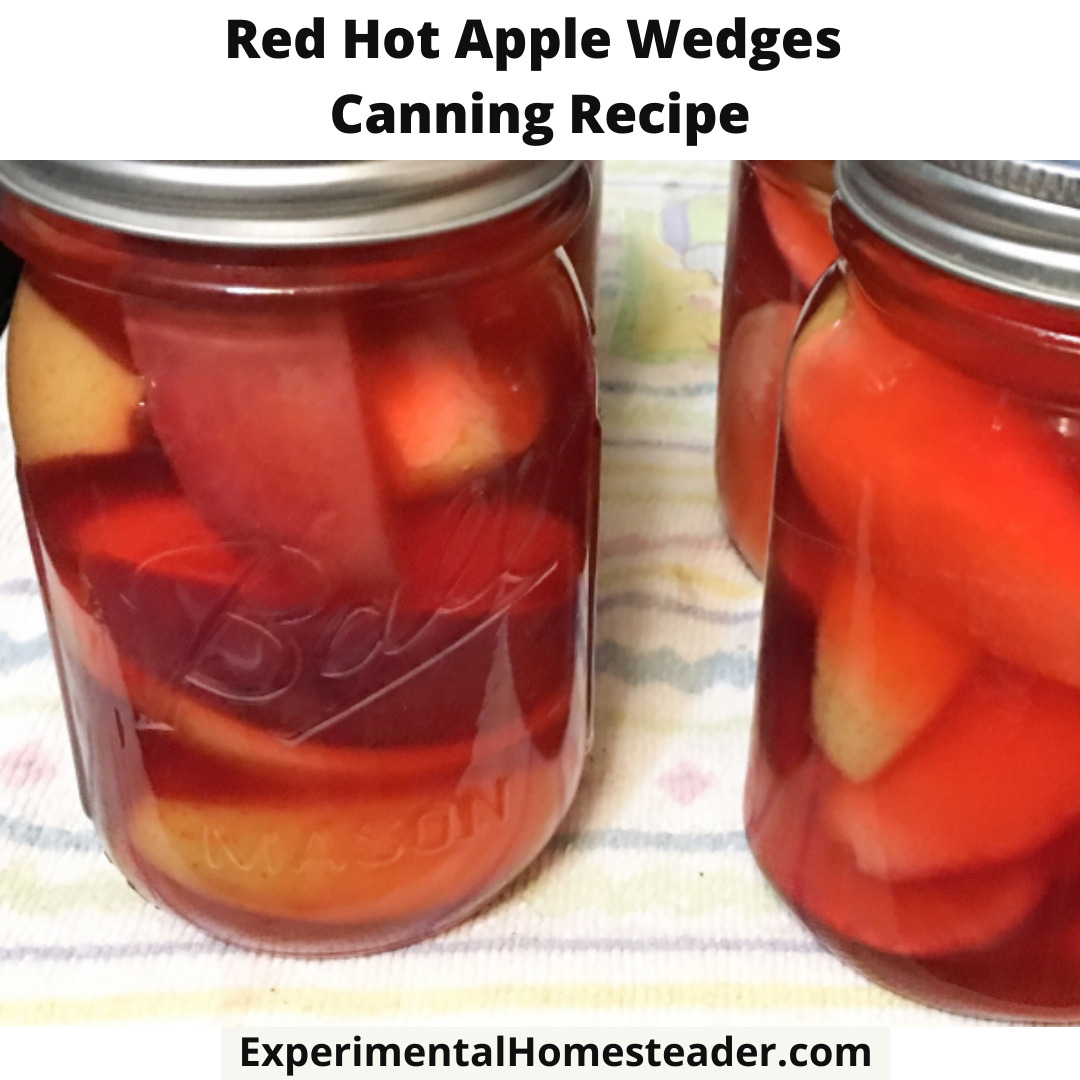
Apples in red hot sauce 1-pint jar
Applesauce 5-pint jars
Banana peppers – 1 pint
Bayleaf – 1 pint
BBQ Sauce 6-pint jars
Bell peppers – 1/2 gallon
Blueberries 4-4 ounce jars and 1-half pint jar
Chamomile – ½ pint
Celery leaf – 1/2 gallon
Celery seed – 4-ounce
Cestrum nocturtum extract – 1 pint (preserved for perfume use)
Cherries 1-half pint jar
Cherry juice 2- half pint jars
Chicken broth 1 quart and 1 pint
Chicken wing sauce 1-pint jar
Chili peppers – 1 pint
Chives – 1 pint
Chocolate raspberry sundae topper 5-pint jars
Cinnamon pears 2-pint jars
Cinnamon sticks – 1/2 gallon + 1-quart
Cloves 4-ounce
Corn – 11 pints
Costmary – 2 pans
Dehydrated banana chips – 1 quarts + 1 vacuum sealed container
Dehydrated dandelion flowers – 1/2 gallon
Dehydrated celery – 1 pint
Dehydrated cranberries – 1 quart
Dehydrated pears – 1 vacuum sealed container
Dehydrated potatoes – 1/2 gallon
Dehydrated tomatoes – 1 vacuum sealed container
Dehydrated violets – 1 quart
Dill weed – 1 pint
Domestic Meat & Wild Game Sausage Seasoning & Cure – Cheddar Polish – ½ gallon
Domestic Meat & Wild Game Sausage Seasoning & Cure – Pepperoni – ½ gallon
Fennel – 1/2 pint
Grapefruit peel – 1 pint
Grape jelly 1-pint jar and 7-4 ounce jars
Grape juice 3-pint jars.
Green Beans – 3 quarts and 7 pints
Green Tomatoes 1 quart jar
Hole Mole hot peppers – 1 pint
Hot sauce – 7 jars, various sizes
Jalapeno peppers – 1 pint
Jerky Seasoning & Cure – Cajun Blend – ½ gallon
Jerky Seasoning & Cure – Pepper Blend – ½ gallon
Jon’s Pickles – 55 pints
Kosher Dill Pickles – 35 quart
Lavender flowers – 1 quart
Lavender flower spikes – 1 pan
Lemon balm and lemon verbena jelly 6-4 ounce jars and 1-cup jar
Lemon grass – ½ gallon
Lemon peel – 1/2 pint
Lemon verbena – 1/2 pint
Lemon verbena extract – 1 quart
Lilac flowers – 1 ½ pint
Maple syrup – 2 pints
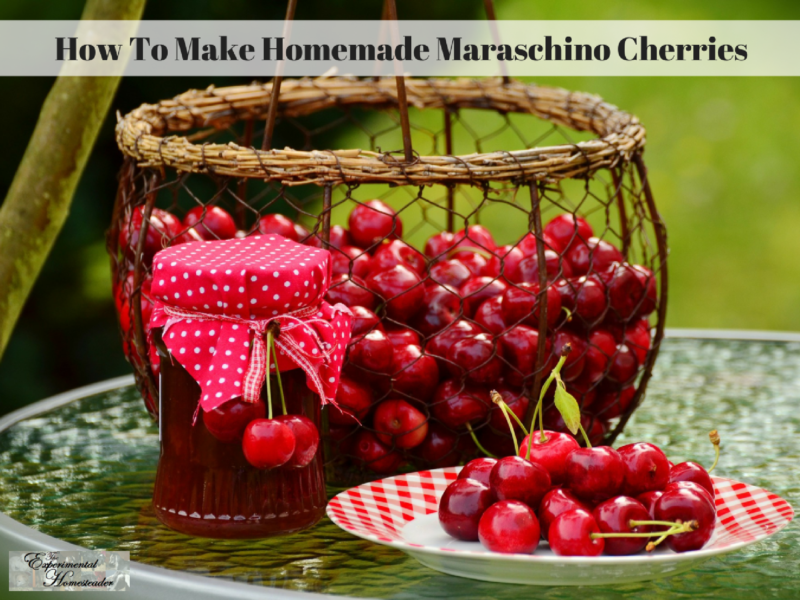
Marachino cherries 5-4 ounce jars and 3-half pint jars
Marachino cherry juice 1-4ounce jars and 3-half pint jars
Mixed berry preserves 1- cup and a half jar
Mixed herb vinegar 4-4 ounce jars and 2- half pint jars
Mixed Raspberry Vinegar – 1 ½ pint
Mystical grape wine – 16 bottles
Orange peel – 1 quart
Oregano – 1 1/2 gallon and 2 quarts
Orris root – 1/2 pint
Paprika – 1 quart
Parsley – 1 ½ gallon and 2 quarts
Passion fruit mojito 1-quart jar
Paw paw extract – 1 quart
Peach juice – 13 quarts
Pear butter – 4 quarts
Pear juice 1-pint jars
Pear sauce 4-pint jars
Peppers for grilling – 1 quart
Perpetual cinnamon (cinnamon extract) – 1 pint
Pimento peppers – 1 pint
Pineapple, banana and orange fruit spread 1-cup jar
Pineapple, banana and passion fruit spread 1-cup jar
Pineapple mint – 1 pint
Plums 4-pint jars
Pomegranite juice 1-quart jars
Potatoes 4-quart jars
Powdered cheese – Cheddar – 1 pint
Powdered cheese – White – 1 pint
Raspberries in light syrup 5-half pint jars
Raspberry and Mulberry Vinegar 1-half pint jar
Raspberry syrup 4-half pint jars
Red bud flowers – 1 pint
Roasted garlic Italian vinegrette 2- cup and a half jar
Rose hips – 1 pint
Rosemary – 1 quart
Rose petal extract – 1 quart
Rose petal jelly 5-half pint jars
Sage – 1/2 gallon
Sauerkraut – 3 pints
Scented geranium flowers – attar of rose – 1 quart
Scented geranium leaves – snowflake rose – 1 quart
Shitake mushrooms – 1 pint
Stevia extract – 1/2 pint
Strawberries 1-pint jars
Strawberry fruit spread 1-quart jar
Strawberry juice 1-pint jar and 1-4 ounce jar
Taco sauce 4-4 ounce jars and 1-pint jar
Tarragon – 1/2 gallon
Tea – raspberry leaf and spearmint – 1 pint
Tea – raspberry, spearmint and passion fruit – 1 quart
Tea- spearmint and chocolate mint – 1 pint
Tea- spearmint, lemon balm and lime balm – 1 pint
Thai hot and sweet dipping sauce 5-pint jars
Thyme – 1 quart
Tomato soup 5-quart jars
Tulip petals – 1 quart and 1 ½ pint
Vanilla bean apple cider vinegar – 1 pint
Vanilla extract – 1 pint
Vegetable broth – 4 quart
Wing Sauce – 1 pint
Filed under Food Preservation by on Jul 18th, 2010. Comment.
The season to begin stocking up has began. New jars of food are already being added to the pantry, new herbs and edible flowers are being dried for use later in the season or extracted into alcohol. Some of the products extracted into alcohol will be used in perfumes or medicinally, other extracts will be used for flavoring.
The time has rolled around once again to begin taking inventory for another season.
Every year it seems I learn more, then come up with more interesting food combinations to preserve or simply learn how to utilize another edible plant I am growing. It is amazing what several Ball Canning books, a variety of old time stocking up books, a few herb books and a bit of imagination can do.
Here is what is in the pantry already in 2010.
Ancho chili pods – 1 quart
Apple pie filling 2-pint jars
Apples in red hot sauce 1-pint jar
Applesauce 5-pint jars
Banana peppers – 1 pint
Bayleaf – 1 pint
BBQ Sauce 6-pint jars
Basil – 1 pint
Bell peppers – 1/2 gallon
Black walnuts – 1 quart
Blueberries 5-4 ounce jars and 1-half pint jar
Camomile – 1 quart
Caraway – 1 pint
Celery leaf – 1/2 gallon
Celery seed – 4-ounce
Cestrum nocturtum extract – 1 pint (preserved for perfume use)
Cherries 1-half pint jar
Cherry juice 2- half pint jars
Chicken broth 1 quart and 1 pint
Chicken wing sauce 1-pint jar
Chili peppers – 1 pint
Chives – 1 quart
Chocolate raspberry sundae topper 5-pint jars
Cinnamon applesauce 1-pint jars
Cinnamon pears 2-pint jars
Cinnamon sticks – 1/2 gallon + 1-quart
Cloves 4-ounce
Dehydrated banana chips – 2 quarts + 1 vacuum sealed container
Dehydrated dandelion flowers – 1/2 gallon
Dehydrated celery – 1/2 gallon
Dehydrated cranberries – 1 quart
Dehydrated pears – 1 vacuum sealed container
Dehydrated potatoes 2 gallon jars
Dehydrated redbud flowers – 1 quart
Dehydrated scented geranium flowers – attar of rose – 1 quart
Dehydrated tomatoes – 1 vacuum sealed container
Dehydrated violets – 1 quart
Dill seed – 1 quart
Dill weed – 1 pint
Fennel – 1/2 pint
Frozen pizza dough – Italian herb – 3- 14″ crusts
Garlic – Chesnok red – 1 pint
Grapefruit peel – 1 pint
Grape jelly 1-pint jar and 7-4 ounce jars
Grape juice 3-pint jars.
Green Tomatoes 1 quart jar
Hole Mole hot peppers – 1 pint
Hot sauce – 7 jars, various sizes
Jalapeno peppers – 1 pint
Lavender flowers – 1 quart
Lemon balm and lemon verbena jelly 6-4 ounce jars and 1-cup jar
Lemon peel – 1/2 gallon
Lemon verbena – 1/2 gallon
Lemon verbena extract – 1 quart
Maple syrup – 3 pint
Marachino cherries 5-4 ounce jars and 3-half pint jars
Marachino cherry juice 1-4ounce jars and 3-half pint jars
Mixed berry preserves 1- cup and a half jar
Mixed herb vinegar 4-4 ounce jars and 2- half pint jars
Mystical grape wine – 16 bottles
Orange peel – 1 quart
Oregano – 1/2 gallon
Orris root – 1/2 pint
Paprika – 1 quart
Passion fruit mojito 1-quart jar
Paw paw extract – 1 quart
Pear juice 1-pint jars
Pear sauce 4-pint jars
Peppers for grilling – 1 quart
Perpetual cinnamon (cinnamon extract) – 1 pint
Pimento peppers – 1 pint
Pineapple, banana and orange fruit spread 1-cup jar
Pineapple, banana and passion fruit spread 1-cup jar
Pineapple mint – 1/2 gallon
Plums 4-pint jars
Pomegranite juice 2-quart jars
Potatoes 5-quart jars
Raspberries in light syrup 5-half pint jars
Raspberry and Mulberry Vinegar 1-half pint jar
Raspberry syrup 4-half pint jars
Raspberry wine – 1 bottle
Roasted garlic Italian vinegrette 2- cup and a half jar
Rose hips – 1 pint
Rosemary – 1 quart
Rose petal extract – 1 quart
Rose petal jelly 5-half pint jars
Sage – 1/2 gallon
Sauerkraut – 4 pints
Seasoned tomato sauce 1-quart
Shitake mushrooms – 1 pint
Stevia extract – 1/2 pint
Strawberries 1-pint jars
Strawberry fruit spread 1-quart jar
Strawberry juice 1-pint jar and 1-4 ounce jar
Taco sauce 4-4 ounce jars and 1-pint jar
Tarragon – 1/2 gallon
Tea – raspberry leaf and spearmint – 1 pint
Tea – raspberry, spearmint and passion fruit – 1 quart
Tea- spearmint and chocolate mint – 1 pint
Tea- spearmint, lemon balm and lime balm – 1 pint
Thai hot and sweet dipping sauce 5-pint jars
Thyme – 1 quart
Tomato sauce 2-quart jars
Tomato soup 5-quart jars
Vanilla bean apple cider vinegar – 1 pint
Vanilla extract – 1 pint
Wing Sauce – 1 pint
Filed under Food Preservation by on Apr 19th, 2010. 1 Comment.
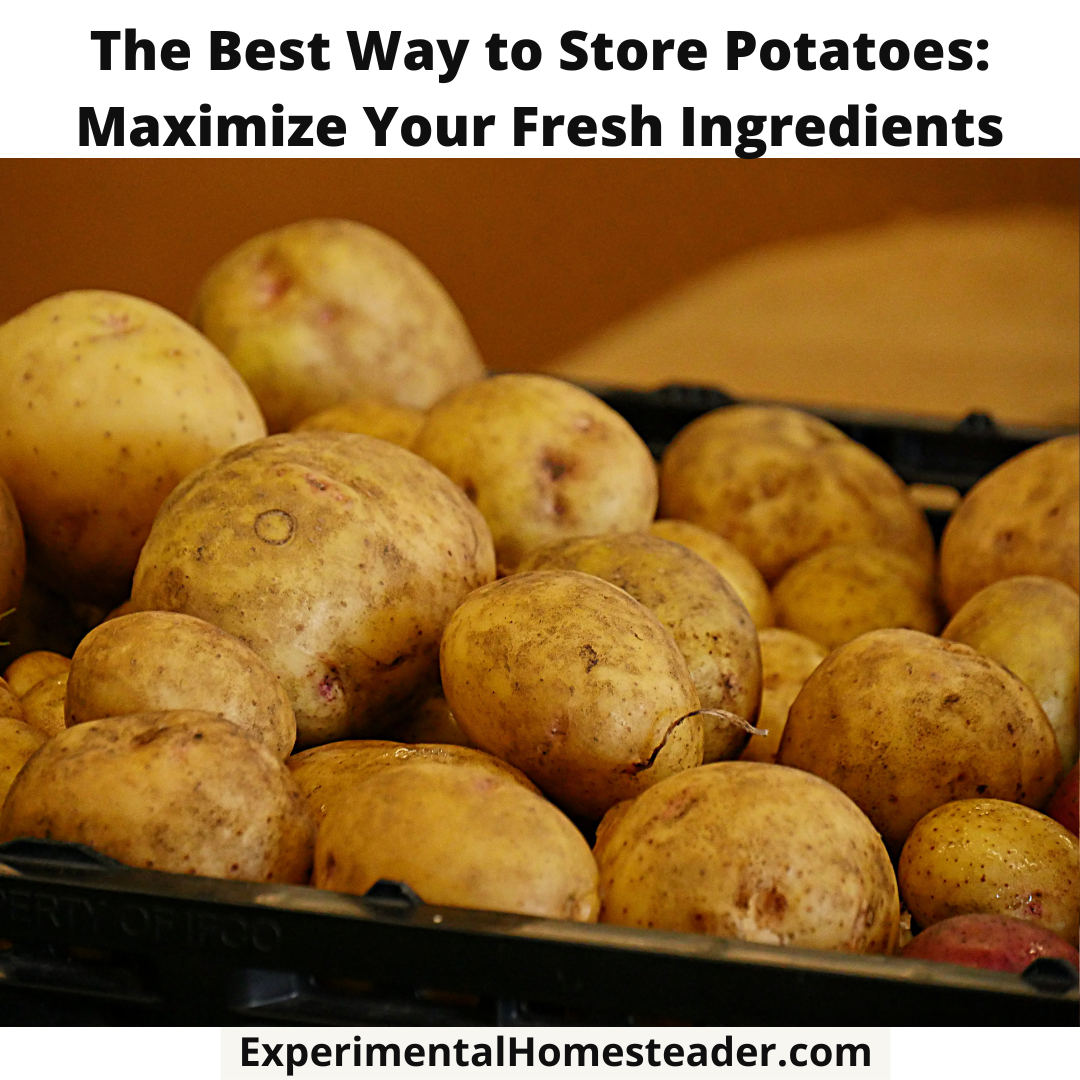
Root cellars work because they maintain cool temperatures, they are dark and they retain the right amount of humidity. Root cellars do not need to be underground. They can be above ground, built in a basement or even in a closet. Building root cellars that work is something everyone can do, even those who live in an apartment.
There is a variety of produce that stores well in root cellars, potatoes, carrots, squash, pumpkin, turnips, grapes, apples, pears and much more. The trick is learning how to store the items, what temperatures they need stored at and how long they will keep.
The answers to these questions vary just as the answers to how much food to put up vary. Here are some basic storage requirements.
Cool and moist: 32 to 40 degrees F with 90 to 95% humidity: Carrots, beets, parsnips, rutabagas, turnips, celery, Chinese cabbage, winter radishes, kohlrabi, leeks, collards, broccoli and Brussels sprouts.
Cool and moist: 32 to 40 degrees F with 85 to 90% humidity: potatoes, cabbage, cauliflower, apples, grapes, oranges, pears and grapefruit.
Cool and moist: 40 to 50 degrees F with 85 to 90% humidity: cucumbers, cantaloupe, watermelon and ripe tomatoes.
Be sure you are building root cellars that work before you store your produce in them by taking multiple temperature and humidity measurements.
Filed under Root Cellars by on Jan 20th, 2010. Comment.
There is nothing that tastes quite as good as something you make from scratch in your own kitchen. This is true rather it is special meal, a dessert or something as simple as homemade ketchup.
This recipe, which can be canned for use throughout the winter months, is simply outstanding. Once you have a taste of this, you will never go back to store bought ketchup again!
To make a really thick ketchup you need to remove the tomato juice from the tomato paste. The easiest way to do this is to use a steamer juicer such as the Mehu-Liisa.
When the steamer is finished extracting the juice, bottle it and can it. This is tomato juice in its purest form.
The tomatoes that are left in the top of the steamer juicer are what you want to use. You can remove the seeds or simply blend the mixture until it is smooth, whichever you prefer.
Begin with 24 pounds of whole tomatoes. If you do not have that many, simply put the tomatoes you have on a scale to find out how many pounds you do have, then do the math to change the rest of the ingredients in the recipe.
While the tomatoes are juicing add three cups cider vinegar to a large saucepan. Cut a piece of cheesecloth and put 3 tablespoon celery seed, 4 teaspoons whole cloves and 2 cinnamon sticks into it and then tie it up. Put the spice bag into the pan with the vinegar. Bring to a boil, then remove from heat and cover. Allow this to sit for 25 minutes then remove the spice bag.
Place tomatoes into the spiced vinegar, add one teaspoon of cayenne pepper and boil. Reduce the heat once the mixture begins to boil and cook for thirty minutes. The mixture should begin to thicken. Add ¼ cup canning salt and 1 ½ cups sugar. Bring to a boil, reduce heat and cook for about 45 minutes. The mixture will reduce by half and be about the consistency of store bought ketchup. While it is cooking, add garlic powder, chili powder and black pepper to taste.
To preserve, ladle into hot, sterilized pint jars leaving ½ inch headspace. Wipe jar rim, place sterilized lids and bands on making sure they are snug. Process in a cold pack canner for fifteen minutes, remove canner lid, let the jars sit for five minutes, then remove them.
When the jars are completely cooled, check to make sure they are sealed. If not, use immediately or put on a new lid and reseal.
When you open a jar, be sure to keep it refrigerated. The open jars will last quite a while kept in this fashion.
Filed under Canning, Canning Condiments, Food Preservation by on Jan 16th, 2010. Comment.
When picking plants from the wild be sure you have the identity correct. Many plants look so much alike that you may think you are harvesting one plant when in fact you are getting something totally different. Take for example the common Queen Anne’s Lace or wild carrot. Daucus carota resembles the poisonous water hemlock which is deadly if ingested. If in doubt, take the plant to a local botanist or your local extension agent for a positive ID before eating it.
Once you are sure you have the true Queen Anne’s Lace, here is a recipe for jelly.
Fill a glass jar full of clean flower heads. You can use straight Queen Anne’s Lace flowers or use a combination of edible flowers such as violet, lilac, roses, carnation, peony or elderberry.
Once the jar is full, pour boiling water over the flowers making sure to cover all of them. Put a non-metallic lid on the jar and sit aside for up to 24 hours. The infusion should be allowed to sit for at least five hours minimum.
When you are ready to proceed, prepare a strainer lined with cheesecloth. Pour the water through the strainer making sure to remove all the flowers from the first jar. Squeeze the water out of the flowers in the cheesecloth. Then measure the amount of water you have.
You will need a minimum of 2 ½ cups flower water for one recipe. Put the flower water into a stainless steel pan, add the juice of one lemon and one package of pectin. Bring this mixture to a boil then add three cups of sugar. Stir and continue boiling until the sugar has dissolved.
If you prefer using honey in place of the sugar, remove the mixture from the heat and add 1 ½ cups honey. Stir just until the honey is dissolved.
Remove the foam scum that forms on top of the jelly, then pour the jelly into sterilized canning jars. The smaller 4 ounce or half pint jars work well.
Wipe jar rims, put lids and bands on making sure they are fingertip tight. Process for ten minutes in a cold pack canner, remove and tighten lids.
Set the hot jars on a secure surface. I lay an old towel on top of my table and set the canning jars on it. Remember these jars are hot so use hot pads and jar lifters.
Tighten the bands as tight as possible.
Allow the jars to cool overnight. When the jars are completely cool, remove the bands and check the lids to make sure they are sealed.
To check the lids, simply try to lift them up with your fingers. If they come off, set the food in the refrigerator and eat it within a week. If they do not come off, the cans are sealed. Replace the band and store in a cool, dark place.
Be sure to label the jars with the name of the food in them and the date.
Filed under Canning, Canning Jams & Jellies, Food Preservation by on Jan 15th, 2010. Comment.
Once your harvest starts coming in, rather it is flowers, herbs, vegetables or fruits, you will want to preserve it for later use. The most common methods of preserving are freezing, canning and drying.
Drying may be the simplest method and certainly requires the least monetary investment. Fruits and herbs can be cut up, laid on screens or racks and dried right out in the sun. Flowers and herbs can be bunched up into little bouquets of four to six stems, have a rubber band put around the stems so it is tight and hung in a dark, airy place to dry. If you want to invest in a dehydrator, herbs, vegetables and fruits can be put into that to dry. Flowers can be dried in silica gel and will retain their shape and most of their color.
Freezing herbs, fruits and vegetables may be the next easiest way to go. Get a good book on freezing so you know which ones need blanched and how long. A good book will also tell you how long the storage life is. Freezing takes energy and if your harvest is substantial, you may need a chest or upright freezer. The Ball Canning books generally have some information on freezing in them, especially the Ball Blue Book.
Canning is the next most popular method of preservation. There is cold pack canning which is used for most fruits and pressure canning which is used for most vegetables. This method does require a monetary investment. Even if all the canners, jars and bands are given to you, lids must be bought. The lids, which contain the rubber seal, are only good for one use. Get a good book on canning, such as one from Ball Canning, if you are going this route.
Filed under Food Preservation by on Jan 13th, 2010. Comment.
We all know bees make the best honey, however if you don’t have a beehive in your yard, there is another way to make honey, on the stove.
To make your own honey you will need white sugar, alum, water, fireweed blossoms, red clover blossoms and white clover blossoms. You may want to set aside a section of your yard to grow these plants in so you know they have not been sprayed with fertilizer or weed killer.
Once you have gathered the ingredients, put three cups of water, ten cups of white sugar and one teaspoon of alum into a large pan. Stainless steel is best. Bring this mixture to a boil. Keep it boiling for ten minutes.
While the mixture is boiling, remove the blossoms from the stems making sure not to leave any green parts on the flowers. The green stems and leaves will impart a grassy flavor to the honey.
Once the blossoms are removed, rinse them under cold running water. Shake the water off.
Remove the pan from the heat, and add the flower blossoms. Stir well, cover and steep for three hours.
Once the mixture is finished steeping, strain it through cheesecloth so all the plant material is removed. Reheat the liquid honey until it begins to boil, pour into sterilized canning jars and seal.
The jars can be sealed by processing them in a cold water bath for fifteen minutes. Be sure to check the seals once the jars have cooled.
Filed under Homemade Baking Essentials by on Jan 11th, 2010. Comment.
Store bought vanilla extract simply cannot hold a candle to homemade. If you are one of those people who grow vanilla planiflora you may already be wondering what to do with all the vanilla beans you will be harvesting. If you do not grow your own, do not fear, you can buy vanilla beans ready to use.
Begin by choosing three plump vanilla beans, split them in half and put them in a sealable jar large enough to allow the beans to be covered completely in liquid. A jar about the size of a pint, but a little taller and thinner, unless you want to cut the beans down in size, will work.
Once the beans are cut in half lengthways, put them in the jar. If they are too tall, you will need to cut them down so they fit in the jar. The beans should be covered by the vodka.
Cover the beans with premium vodka, 80 proof or higher. Fill the jar to the top with the vodka. Seal the jar and put in a cool dark place for six months.
When the six months are up, use this as you would any other type of vanilla extract. Do not remove the vanilla beans. The vanilla beans can be used for seven years. When the vanilla extract you made begins to run low, simply pour the remaining vanilla extract into a different glass container, fill the old bottle up with vodka again and wait six months for a new batch to cure.
Filed under Herbs and Spices, Homemade Extracts by on Jan 4th, 2010. 1 Comment.