Sheri Ann Richerson's exotic gardening, elegant cooking, crafty creations, food preservation and animal husbandry... all on two and a half acres in Marion, Indiana!

0609040595 0609040591 0609040592 0609040568 IMG_0076 IMG_0067
0
Share

Tulip's day old kid - November 10, 2011.

Welcome to the cute animal photo day! This is a new part of the blog that will appear on the homepage, experimentalhomesteader.com, under featured posts. It allows you, the reader, to post photos you have taken of cute animals – or animals doing cute things and will re-occur on the 2nd day of every month.

Please post photos that you have taken – not ones you have come across on the internet.

So – let’s see all those cute photos! Go ahead and show off your best friends. I’m looking forward to it. Let me get the ball rolling with a photo of one of my cute animals.

This is Bubba taking a bath.

Share
0
Share

Tulip's day old kid - November 10, 2011.

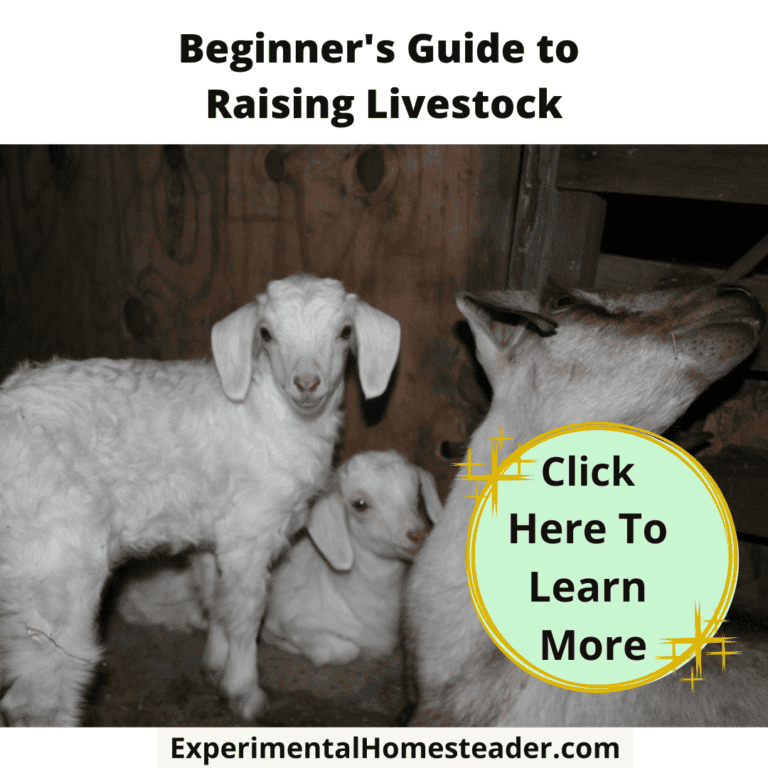
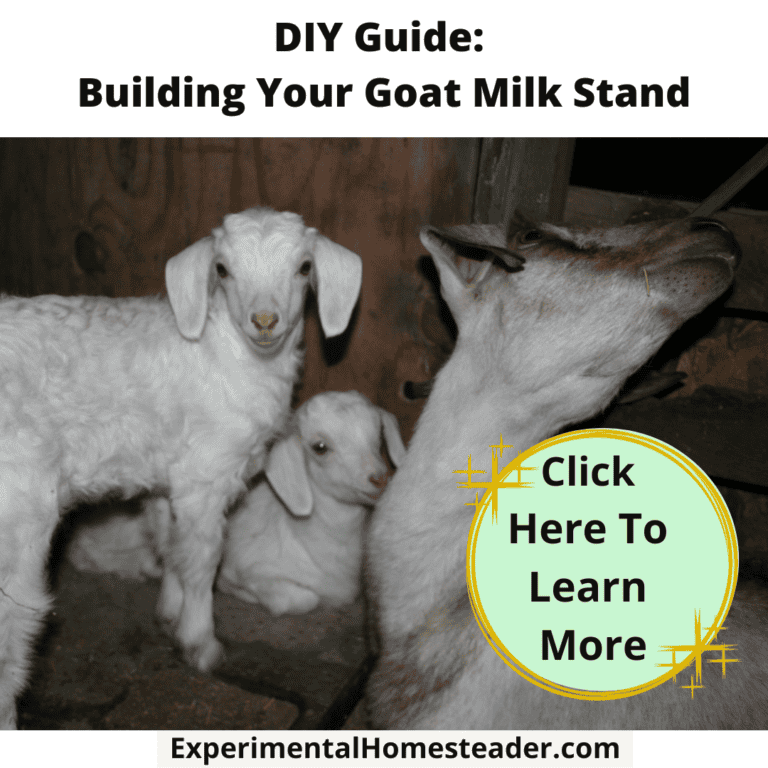
Tulip, the cashmere goat, and her day old kid - November 10, 2011.

A video of Tulip my goat and her newborn kid, born on November 9, 2011.


Share
0
Share

Welcome to the cute animal photo day! This is a new part of the blog that will appear on the homepage, experimentalhomesteader.com, under featured posts. It allows you, the reader, to post photos you have taken of cute animals – or animals doing cute things and will re-occur on the 2nd day of every month.

Please post photos that you have taken – not ones you have come across on the internet.

The program that we will use for this is Mister Linky.

So – let’s see all those cute photos! Go ahead and show off your best friends. I’m looking forward to it. Let me get the ball rolling with a photo of one of my cute animals.

This is Bubba taking a bath.

Share
0
Share

Rain will wash the diatomaceous earth away, so be sure to apply more after it rains.

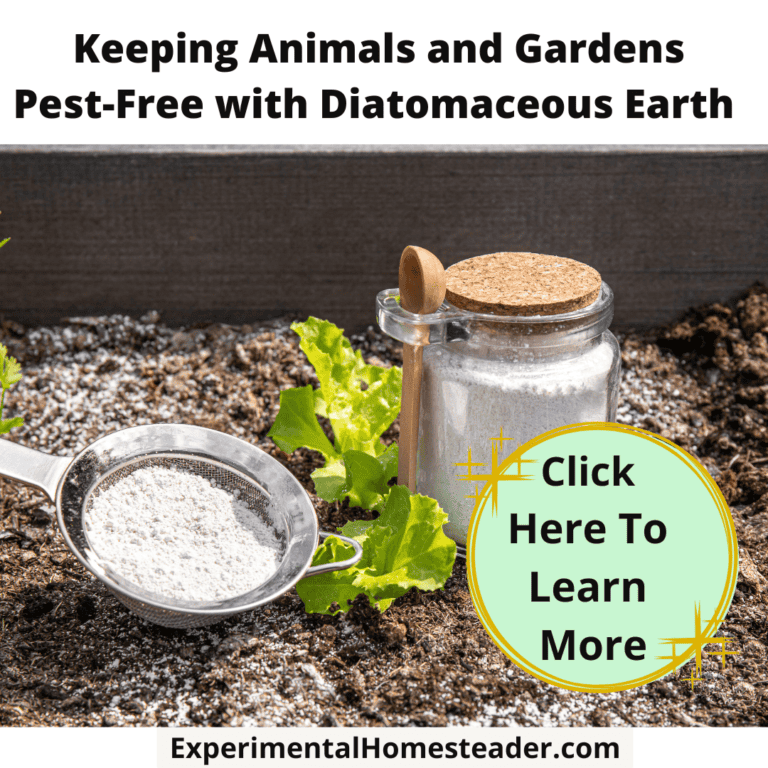
Diatomaceous earth, or DE as most people call it is a good preventative for parasites in animals. Used on the ground, in stalls and other places livestock frequent it will rid a property and the animals of coccidiosis. This will not happen overnight and can take up to three years. The key to success is to be consistent. Every time bedding is changed, spread more on the ground under the bedding. Sprinkle it on top of the bedding during the winter, but be sure to wear a mask and move the animals out of the area where you are spreading it. Offer it in their feed at a ration of 1%. For animals that eat kelp free-choice, mix it into the kelp as well.

If you have fiber animals and have a problem with lice or other pests in the fiber, sprinkle some on their skin, but be aware this product can dry their skin out. Use it in the nest boxes in poultry houses and on the floor as well to get rid of mites, lice and other soft-bodied insects.

DE will also get rid of fleas. In fact, it will slice and dice any soft-bodied insect including fly larvae which is why it is an ideal top dressing for compost piles, but does not harm earthworms. Use it in the garden to get rid of pests such as bean beetles and hornworms.

DE is all natural and has a wide array of uses in and around the home. Be sure to buy a food grade, not the stuff that goes in swimming pool filters. DE is made up of the fossilized deposits of microscopic shells that are created by one celled plants called Diatoms.

Share
0
Share

Kelp is beneficial to most animals including horses.

Kelp is a great alternative to traditional mineral blocks, is safe for animal and human consumption, a great natural garden fertilizer and helps prevent parasites in animals. Be sure to buy a food grade of kelp if you or your animals are going to consume it.

Kelp is made from seaweed. It contains a number of vitamins, minerals, trace elements, amino acids and alginates – in other words much more than traditional mineral blocks or fertilizers.

Here is a chart that will help you estimate how much to give to farm animals on a daily basis:

Cows – 1% to 2% of their total feed ration.

Poultry (except for turkeys) – 1% of their total feed ration.

Turkeys – 2% of their total feed ration.

Horses – ½ ounce today.

Sheep – 2% of their total feed ration.

Goats – Offer it free choice.

Pigs – Offer it free choice.

Share
0
Share

Welcome to the cute animal photo day! This is a new part of the blog that will appear on the homepage, experimentalhomesteader.com, under featured posts. It allows you, the reader, to post photos you have taken of cute animals – or animals doing cute things and will re-occur on the 2nd day of every month.

Please post photos that you have taken – not ones you have come across on the internet.

The program that we will use for this is Mister Linky.

So – let’s see all those cute photos! Go ahead and show off your best friends. I’m looking forward to it. Let me get the ball rolling with a photo of one of my cute animals.

This is Bubba taking a bath.

Share
0
Share

Darla with her newborn baby boy. This is one of his first attempts to stand. She is still cleaning him up.

Moses a couple days after he was born. Moses is Tulip's baby boy.

Yesterday was the day when we sold our first two goats. It was exciting and sad. Both Tulips baby Moses and Darla’s baby boy, whom we had not named, were taken away.

They went to their new home together. That made me feel much better. At least they knew one another. The lady and her young son were very nice and I know they are in a good home.

I had been wondering what I was doing wrong, why our goats weren’t selling. I decided it is not a matter of what I am doing wrong, but a matter of reaching the right people. The lady who bought the goats saw the ad on Craigslist. I had not posted there prior to this year.

I still have three goats left for sale, all born last summer, two does and one wether. I would like to see them go as a trio.

Share
0
Share

Moses shortly after birth.

Today, March 22, 2011, Tulip gave birth to a single goat kid again, which is rather unusual because most goats have twins or tripets, sometimes more. She is a proud mama softly naaing, which is the way mama goats talk to their kids. If you listen closely you will hear the baby responding. She is still cleaning her baby even though no afterbirth remains and allowing the baby to nurse at will. Some goats don’t allow their kids to nurse which means either the goat has to be tied up and forced to let the baby nurse or you have to milk the goat, then feed the baby with a bottle.

We do not know at this point in time if the baby is a girl or boy, only that the baby is healthy and nursing. It has only been a few hours since the baby was born. The last time I attempted to find out what the baby was too soon, the baby fainted and mama almost choked to death. She was eating grain, so I figrued I would just pick up the baby. The mama did not like that. I had a serious situation on my hands and was alone. I chose to help the mama. Thankfully both were ok, but I certainly learned my lesson. Tomorrow we will try to sex the baby.

Moses with his mother Tulip. Tulip is a cashmere goat.

Tulip gave birth unassisted, once again. I have been very lucky in that respect. None of the mamas have had complications with their pregnancies or with giving birth. I honestly don’t know how I would deal with having to pull a kid. I guess I would just call the vet.

Tulip is now enjoying fresh water, fresh organic grain top dressed with organic kelp and a fresh flake of hay. I always treat the mother after they give birth. I figure they must feel similiar to the way a human does when they give birth. It has to be tiring and fresh food and water are always appreciated. I know this because of the way they look at me and because they wag their tails, similar to the way a dog wags their tail.

Stay tuned for further updates and be sure to tune into Exotic Gardening Farms & Wildlife Habitat Goat TV. You can access the live feed on the right side of the screen or you can view it at http://stickam.com/sheriannricherson

Update: We looked this morning, March 23, 2011 and found out Tulip had a baby boy. My agent Janet Rosen suggested we name him Moses, so we did!

Incidentally, vet tech schools offer all kinds of classes, just in case I’ll need it next time!

Share
0
Share

Give

As some of you know, the past year has been very difficult. We have had to care for my dad, who is now in a nursing home. We have had damage to both our home and greenhouse by severe weather. Insurance refused to pay the full repair cost, then cancelled us. Keeping the farm and the livestock going has been hard, let alone trying to feed the wild animals. Most of the year the feeders have been bare leaving them to rely on wild food. I know things are not easy for anyone right now. If you can help, please do, if not, that is ok too. Anything is appreciated! Thank you and may you have a very happy 2011.

http://bit.ly/hWtRyF

Share
0
Share

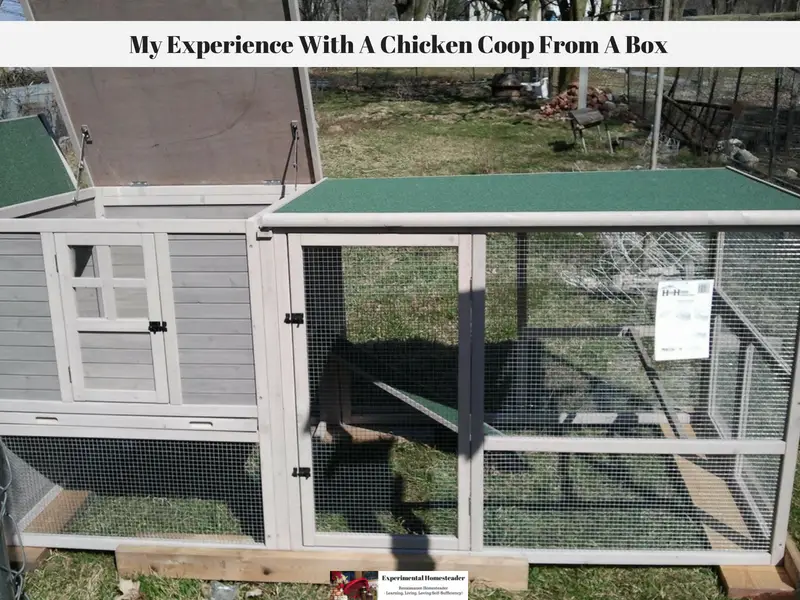
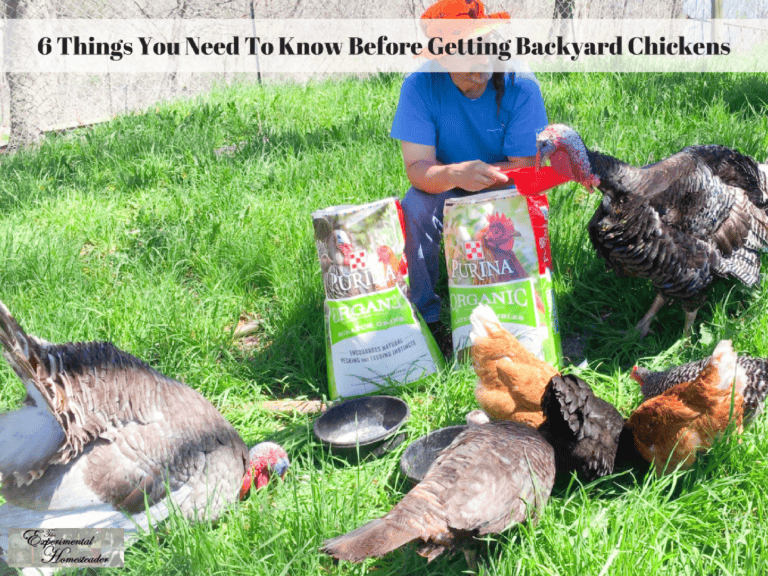
See the organically raised chickens at Exotic Gardening Farms & Wildlife Habitat inside their chicken coop.

Share